 Angela Stefani
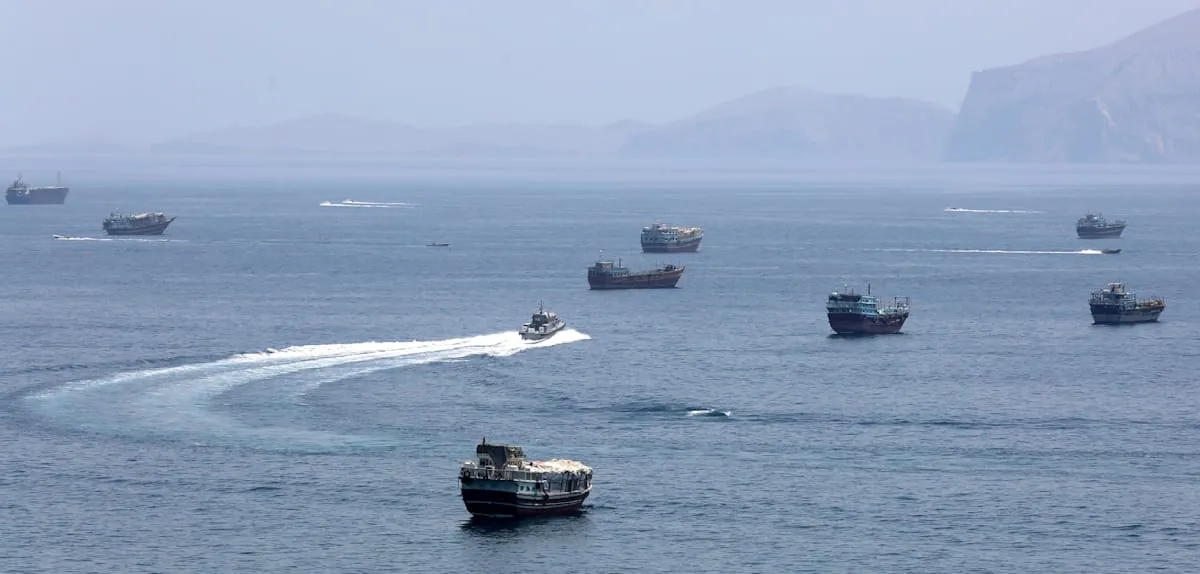
TEHRAN — Tensions in the Middle East reached a new boiling point in early 2026 after Iran's Revolutionary Guard announced the closure of the Strait of Hormuz, a vital global shipping lane, following an incident where a ship was fired upon and halted. This provocative move immediately triggered an aggressive military response from the United States, which reportedly launched retaliatory attacks in the region.
The declaration of the Strait of Hormuz closure by Iran's Revolutionary Guard was delivered unequivocally. They stated the strategic waterway would remain closed “until US interference in this region ends.” This statement reaffirmed Tehran's stance demanding an end to Washington's presence and influence in regional waters.
The crucial incident preceding the announcement was the firing upon and stopping of a ship, though its identity and flag remain undisclosed by Iranian authorities. This event escalated global concerns about the stability of a maritime route critical for the world's energy supply.
The Strait of Hormuz is a strategic choke point connecting the Persian Gulf to the Arabian Sea. Approximately one-third of all global seaborne crude oil, as well as liquefied natural gas, transits this 39-kilometer wide strait daily. Its closure is certain to have massive implications for the global economy in 2026.
WASHINGTON — Responding to Iran's actions, the United States Military immediately issued a strong statement and launched new attacks. Details regarding the nature and targets of the US attacks have not been specifically disclosed, but this action signals a rapid and dangerous escalation in the region.
This crisis has sparked profound concern within the international community. The Secretary-General of the United Nations called for maximum restraint and dialogue to prevent a full-scale conflict. World leaders urged both parties to de-escalate tensions.
A long history of tensions between Iran and the United States in the Strait of Hormuz and surrounding waters has been common, but this 2026 incident is considered one of the most serious. Iran's threats to close the strait have been made repeatedly, but its realization this time has created tangible impacts.
Geopolitical analysts warn that this escalation could trigger a global oil crisis. Energy commodity prices are expected to skyrocket, contributing to inflation in many countries still struggling to cope with post-pandemic economic uncertainty.
Several neighboring countries in the Persian Gulf, highly dependent on the Strait of Hormuz for their oil exports, also expressed deep concern. They fear that a wider conflict would disrupt the fragile regional stability.
To further understand the dynamics of this region, readers can explore an article on the Geopolitical Alarm in the Middle East 2026 which has discussed similar concerns.
Amidst international calls for de-escalation, Iran appears steadfast in its position. They argue that the actions are a legitimate response to what they perceive as continuous aggression and foreign intervention.
This situation presents a severe test for international diplomacy and the ability of world leaders to navigate a crisis in one of the planet's most volatile regions. The world awaits the next steps from Tehran and Washington, which will determine the fate of regional and global stability.