 Robert Andrison
Kyiv — Deep anxiety grips Ukraine in 2026. Russia's brutal strategy targeting civilians, especially in the capital Kyiv, has unleashed an unprecedented wave of fear. These attacks are believed to be President Vladimir Putin's frustrated response to the Ukrainian military's significant advances on the front lines, escalating the conflict to a more horrifying level.
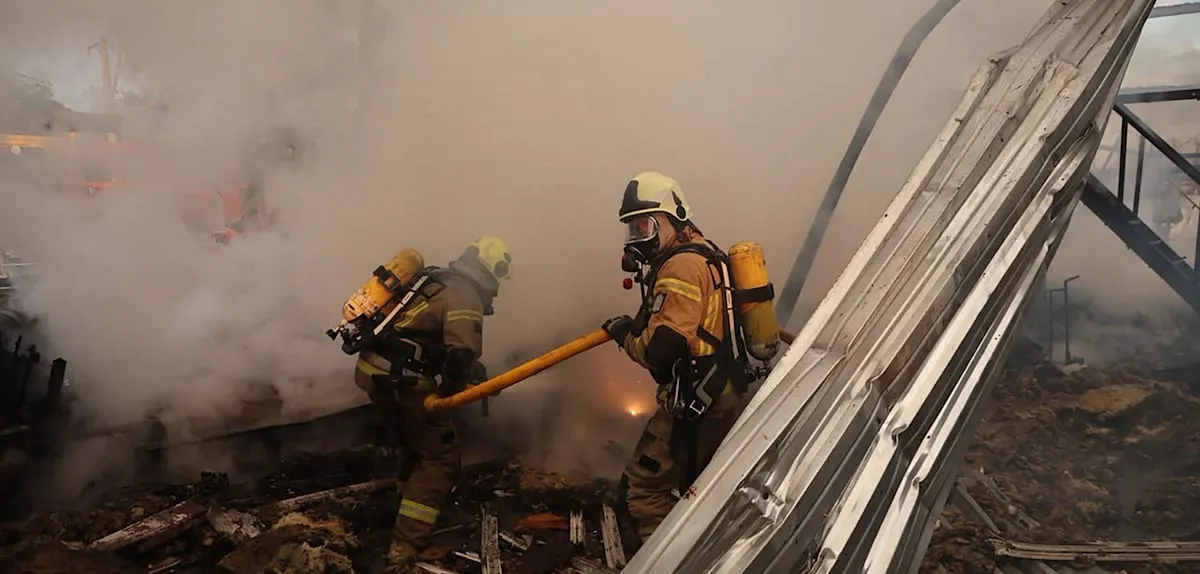
Reports from various intelligence sources and humanitarian organizations indicate that major Ukrainian cities, including Kyiv, are consistently subjected to missile and drone bombardments targeting critical infrastructure and residential areas. This tactic signifies Moscow's shift in focus from conventional battlefield engagements to efforts aimed at demoralizing the civilian population.
A high-ranking Ukrainian military official, who wished to remain anonymous due to the sensitivity of the situation, stated that his forces continue to achieve success after success on the front lines. "Our combat capabilities are improving, and Russian forces are facing fierce resistance causing heavy losses. This is what prompted Putin to launch terror behind the front lines," he said.
However, these military successes come at a heavy cost to civilians. Air raid sirens are now a daily rhythm in many cities, forcing millions to seek shelter in bunkers and subway stations. Children are forced to study in safer locations, while economic life is paralyzed by the constant threat.
Kyiv, as the heart of Ukrainian resistance and a symbol of its sovereignty, experiences the greatest pressure. Residential buildings are destroyed, electricity and water supplies are frequently cut off, and healthcare facilities are under threat. "We live in fear. Every night is a lottery. We don't know if our home will still be standing in the morning," said Olena Petrova, a 45-year-old Kyiv resident, her voice trembling.
Ukrainian President Volodymyr Zelenskyy, in his latest address to the nation, strongly condemned the attacks on civilians as "unforgivable war crimes." He called on the international community to tighten sanctions against Russia and increase air defense aid for Ukraine.
Analysis from international military strategists suggests that Putin's move is a desperate attempt to divide the unity and morale of Ukrainian citizens. By inflicting widespread suffering among civilians, the Kremlin hopes to pressure the Ukrainian government to surrender or at least divert attention from efforts to reclaim occupied territories.
However, the history of conflicts shows that such tactics often strengthen the resolve of resistance. Ukrainian citizens, though gripped by fear, demonstrate extraordinary solidarity. Volunteers work tirelessly to assist victims, while communities support each other to survive amidst the crisis.
This threat is not merely physical. The psychological trauma resulting from prolonged conflict and relentless attacks is expected to have long-term impacts on the mental health of the population, especially children. Mental health organizations have noted a sharp increase in cases of depression, anxiety, and post-traumatic stress disorder.
The international community continues to watch these developments with concern. UN Secretary-General Antonio Guterres has repeatedly called for a cessation of hostilities and the protection of civilians. However, to date, these calls seem to have not swayed Moscow's determination to continue its strategy.
This escalation in Ukraine also has broader geopolitical implications. The conflict tests the resilience of Western alliances and their ability to deter aggression. Support for Ukraine is crucial not only for the country's sovereignty but also for maintaining a stable, rules-based international order.
The situation on the ground remains fluid, with fierce fighting continuing on the front lines, while cities behind them continue to face the threat of air attacks. The international community faces a significant challenge in finding a just and sustainable peaceful solution to this seemingly worsening crisis.