 Demian Sahputra
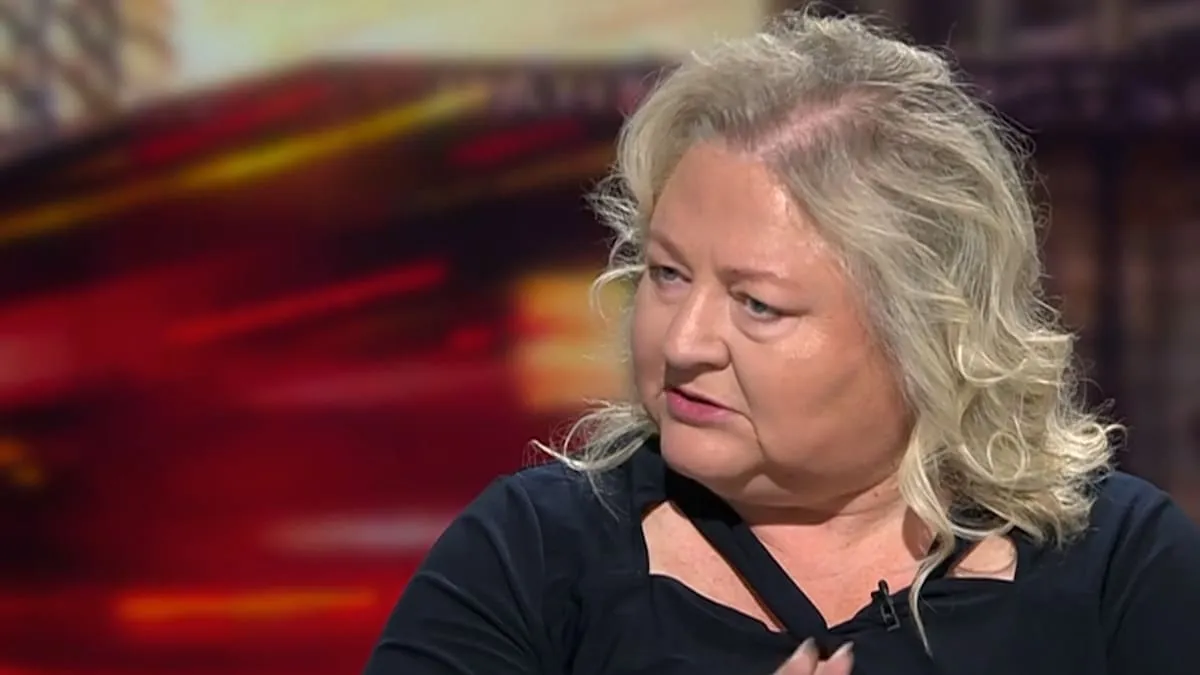
MAGDEBURG – Prominent political consultant, Antje Hermenau, launched sharp criticism against the campaign strategies of established parties ahead of the Sachsen-Anhalt elections. During an appearance on the 'MEINUNGSFREIHEIT' program, Hermenau described the approach as an 'exaggerated defensive posture' with the potential to trigger a 'defiant reaction' from voters. She further stated, 'All these desperate, strange things, which smell and stink of fear of democracy.'
Hermenau's criticism highlights a pattern she observed in the campaign narratives of traditional parties, which, according to her, focus more on warding off political threats rather than presenting convincing visions. This strategy, instead of garnering sympathy, is feared to backfire and strengthen anti-establishment sentiment among voters.
The Sachsen-Anhalt elections in 2026 are crucial amidst Germany's turbulent political landscape. This state is often seen as an important barometer for shifts in public support, especially with the emergence of alternative political forces. This context is reinforced by various previous reports, including how the AfD dominated polls in Saxony-Anhalt and the political threat it poses.
Hermenau, known as an experienced political analyst, underscored that a fear-based campaign erodes public trust in the democratic process itself. She argued that such rhetoric indicates the failure of elites to understand the real concerns of society and their inability to offer concrete solutions.
The phenomenon of 'fear of democracy' mentioned by Hermenau can be interpreted as the established parties' apprehension about election results that do not meet expectations, especially if populist or far-right parties gain more strength. This reaction then manifests in campaigns that tend to be negative and reactive.
Several other political observers have also highlighted similar dynamics in Germany. For example, statements from Merz, warning of the AfD as a real threat to democracy, indicate a widespread concern among traditional parties. However, Hermenau's criticism further targets the campaign methods used to address this threat.
Instead of reinforcing democratic values, this reactive and pessimistic approach can trigger what Hermenau calls a 'defiant reaction.' Voters, especially those who feel marginalized or unrepresented, may view this campaign as an attempt to maintain the status quo without listening to their aspirations.
The political situation in Sachsen-Anhalt has indeed been under intense scrutiny. As highlighted in the article Sachsen-Anhalt on the Brink: Federal Threat Haunts Election Results, the outcome of elections in this region has significant implications for Germany's national political map. Therefore, the campaign strategies chosen by each party carry immense weight.
Hermenau urged political actors to return to the essence of democracy: dialogue, transparency, and authentic representation. According to her, only with such an approach can public trust be restored and citizen participation enhanced, rather than becoming trapped in a spiral of fear and overreaction.
The wave of populism in Germany, including the rise of the AfD in eastern regions like Sachsen-Anhalt, represents a real challenge for established parties. However, as Hermenau articulated, the response to this challenge must be constructive, not allowing campaigns to be dominated by counterproductive fear.
Editorial Insight:
Antje Hermenau's critique uncovers an irony in modern politics, where efforts to preserve democracy can inadvertently erode it. When political elites become trapped in defensive rhetoric, they risk losing touch with voters and creating openings for anti-establishment sentiment. This concern about 'fear of democracy' is not just rhetoric but a reflection of traditional parties' failure to adapt to changing political and social landscapes. Moving forward, the response of established parties to such criticism will be a vital indicator of the health of German democracy.