 Chandra Wijayanto
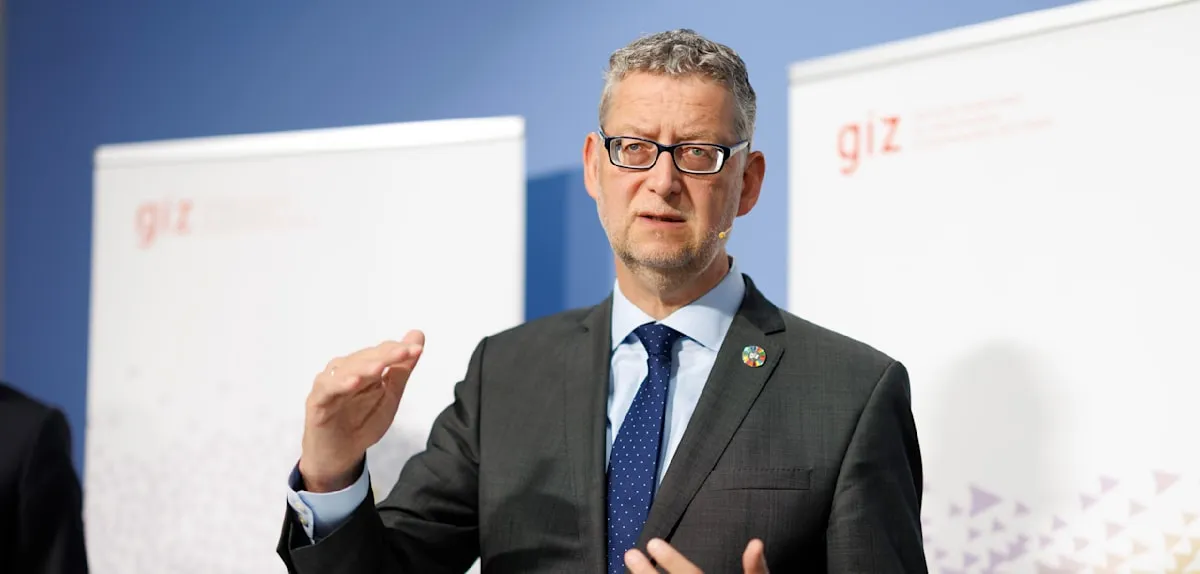
BERLIN – The Head of the Deutsche Gesellschaft für Internationale Zusammenarbeit (GIZ), Thorsten Schäfer-Gümbel, is currently facing intense scrutiny and a growing wave of criticism from within the German federal government. The man leading Germany’s key international cooperation agency is reportedly cornered by various internal problems that are eroding GIZ’s credibility as mid-2026 approaches.
The issues plaguing Schäfer-Gümbel and GIZ, though not specifically detailed by the initial source, indicate serious questions regarding management efficiency, budget allocation, or potential procedural irregularities in development aid projects. This situation has sparked concerns among parliamentarians and relevant ministries about the impact on Germany’s reputation as a driving force in global initiatives.
The pressure has escalated following an increase in critical inquiries posed by cabinet members and parliamentary factions in the Bundestag. A recent in-depth investigative report by WELT AM SONNTAG unveiled "behind-the-scenes" issues, revealing friction and dissatisfaction with Gümbel’s leadership, who previously served as deputy chairman of the SPD party.
The threat to Thorsten Schäfer-Gümbel’s position is more than mere speculation. Several political observers in Berlin are speculating that if these issues are not addressed transparently and thoroughly soon, his leadership at GIZ could be jeopardized. This is not the first time Germany has faced issues related to financial governance and bureaucracy, as reflected in the million-euro scandal concerning the failure to account for misused social benefits that once rocked the nation.
The Deutsche Gesellschaft für Internationale Zusammenarbeit (GIZ) is one of the main pillars of German foreign policy, operating in over 120 countries with a mission to support sustainable development and international cooperation. Its massive budget and operational scope make it vulnerable to public and political scrutiny.
Since taking the helm of GIZ, Thorsten Schäfer-Gümbel was expected to bring innovation and efficiency. However, the current obstacles he faces highlight the complexities of managing a global-scale organization involving various stakeholders, from partner country governments to international donors.
Internal sources within GIZ, who wished to remain anonymous, indicated that the situation has lowered staff morale. Uncertainty regarding the organization’s direction and political pressure from above have created a less conducive working environment, despite the high dedication of GIZ employees to their mission.
The German media sector, particularly WELT AM SONNTAG, plays a crucial role in bringing this issue to the surface. The courage of investigative journalism in uncovering alleged problems within public institutions serves as an important reminder of the press’s function as a watchdog over power, especially in challenging political years like 2026.
This situation adds to the list of challenges facing the German coalition government, which is also grappling with domestic issues such as the austerity package that triggered a storm of protests and threatens public services. Internal tensions within GIZ have the potential to damage Germany’s image on the international stage, especially in the context of its commitment to the global development agenda.
Observers are now awaiting concrete responses from Schäfer-Gümbel and GIZ’s supervisory board. Transparency and clear remedial measures are absolutely necessary to quell the wave of criticism and restore public and federal government trust. Failure to effectively address this situation could trigger significant reshuffles in GIZ’s leadership and organizational structure.
Thorsten Schäfer-Gümbel’s future as Head of GIZ now stands at a crossroads. How he navigates this political and administrative storm will be a defining test of leadership, not only for himself personally but also for the direction and effectiveness of German development cooperation on the global stage in 2026 and beyond.