 Angel Doris
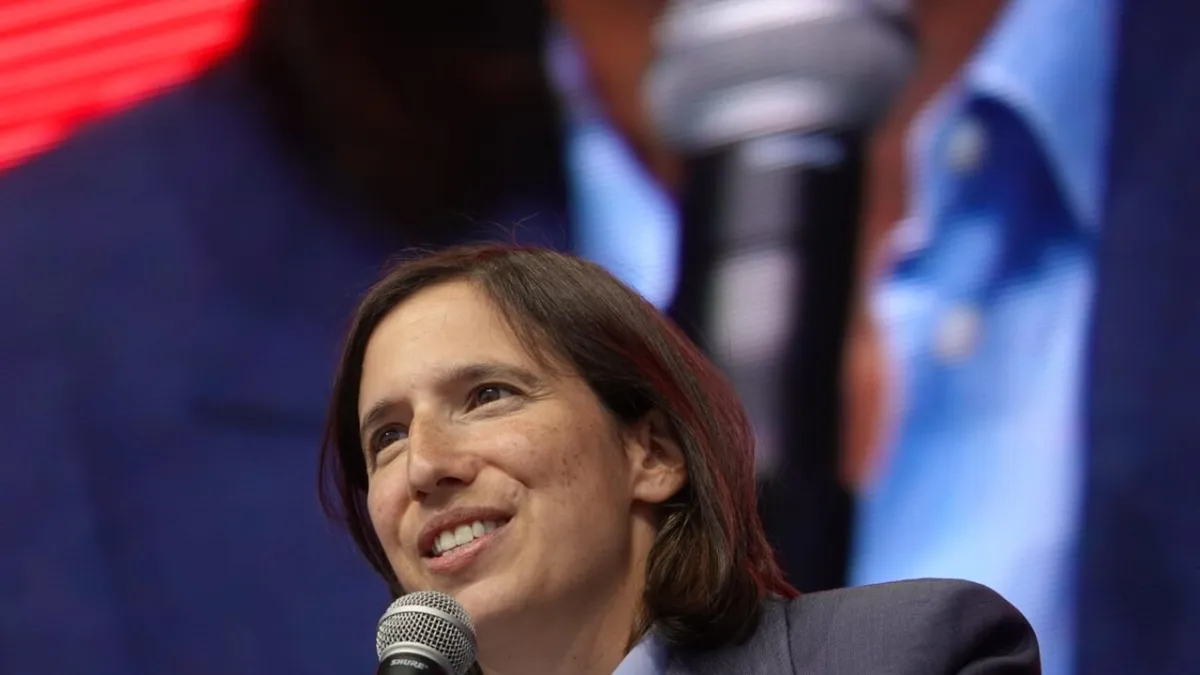
ROME – Italian Democratic Party leader Elly Schlein has issued a strong demand for Prime Minister Giorgia Meloni to put an end to a series of government failures and promptly announce the next general election date. This provocative statement comes amidst intensifying criticism of Meloni's coalition cabinet, which has governed Italy since 2022.
Schlein asserted that all Italian citizens are entitled to clarity and accountability from their leaders. She sharply criticized the Meloni government's management, which, according to her, has been deteriorating across several crucial sectors directly impacting public life.
It is high time for Prime Minister Meloni to end her undeniable series of failures and transparently inform the people when they can return to the ballot box to determine their future, Schlein stated at a recent press conference. This demand marks a significant escalation of political tension between the opposition bloc and the ruling coalition in the Italian Parliament.
The young politician detailed several areas she termed 'monumental failures' of the Meloni cabinet that require immediate attention:
- The public healthcare sector faces a profound crisis, characterized by long waiting lists, staff shortages, and minimal investment in essential infrastructure.
- The university and higher education system is threatened by substantial regression due to budget cuts and a lack of long-term vision for academic innovation.
- Industrial production output shows a significant slowdown, creating serious concerns for the national economy struggling amidst global challenges.
- The government's energy policy is deemed unstrategic, failing to address sustainability challenges and maintaining high reliance on foreign resources.
This statement from Schlein is not unprecedented. Since early 2026, the Democratic Party has consistently voiced deep concerns over the policy direction of the right-wing coalition government led by Meloni.
These failures, according to Schlein, have led to a widespread erosion of public trust and fueled broad calls for significant change. Voices of public dissatisfaction are increasingly echoing from various segments of society, aligning with analysis on why People Are Weary of Stability.
Meloni's government, which secured victory in the previous elections, faces growing pressure to demonstrate concrete results, especially amid global economic uncertainty and complex domestic challenges. Issues such as inflation, unemployment rates, and migration also contribute to the burden of criticism.
The question of when the next election will be held has become a central issue in Italian political discourse. Although Meloni's term is constitutionally ongoing, the opposition's demand for an expedited election schedule reflects their strong conviction that public support for the government is trending downwards.
The political context of Italy in 2026 is marked by acute political fragmentation and dynamic shifts in alliances. Every political maneuver, such as this bold demand from Schlein, has the potential to carry significant implications for the stability of the existing coalition and the future of national leadership.
To date, the government has not issued an official direct response to the sharp statement from the Democratic Party leader. However, the ruling coalition is expected to defend its track record, highlighting the various challenges faced and efforts made to stabilize the country.
This political situation in Italy is reminiscent of dynamics in other European countries, where governmental stability is often challenged by sharp criticism and demands for reform from the opposition.
The further development of this intense political struggle between Elly Schlein and Giorgia Meloni warrants close observation, as it could influence not only Italy's domestic policy direction but also its position on the international stage.
Editorial Insight: Elly Schlein's demand is more than just typical opposition rhetoric; it is a strategic move to gauge the strength and legitimacy of Giorgia Meloni's government amidst shifting public sentiment. By highlighting failures in vital sectors, Schlein seeks to establish a narrative that Meloni has lost her way. The government's response or lack thereof will largely determine whether Italy faces greater political turmoil, including the possibility of an early election, before the official term concludes. This is a crucial battle of narratives for Italy's political future.