 Gabriella
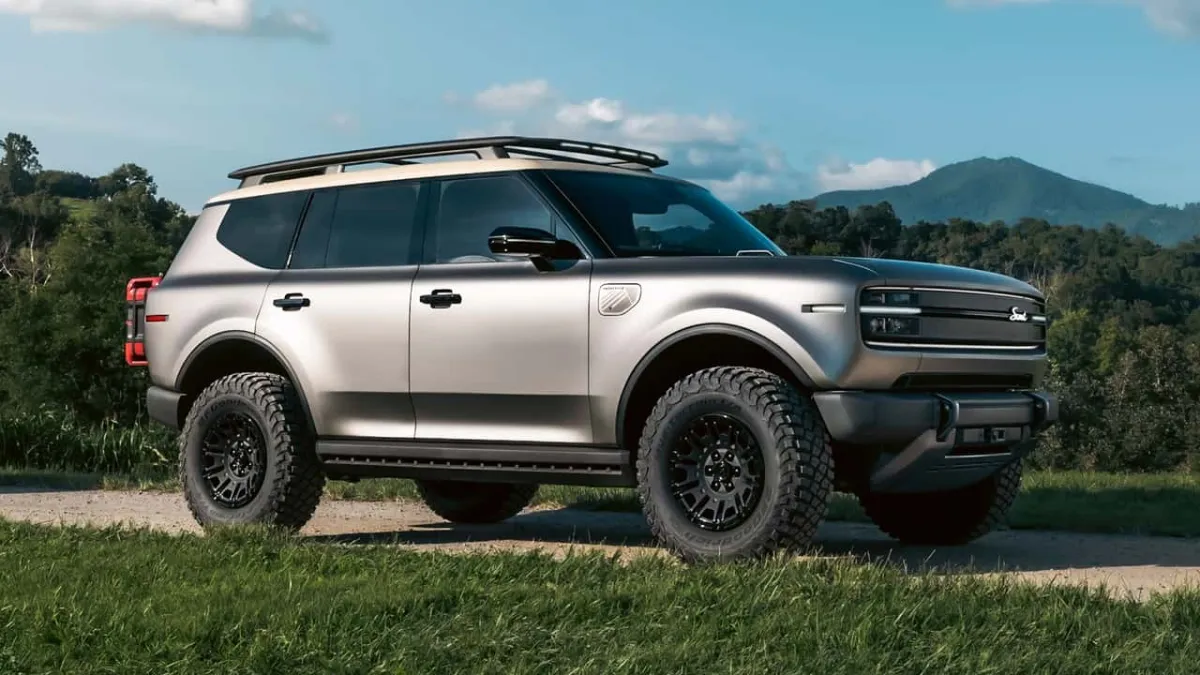
JAKARTA – The prospect of the rugged Scout vehicle is increasingly prominent in the global automotive market of 2026. The brand, which embodies an adventurous image, has reportedly secured over 212,000 reservations, a fantastic number indicating strong consumer interest. Internal data from Scout reveals that the majority of order holders come from segments previously relying on popular vehicles such as Ford and Jeep, fueling speculation about a shift in preferences among utility vehicle enthusiasts.
This development immediately became a hot topic among industry analysts. Scout, known for its robust design and reliable performance, appears to have successfully attracted the attention of drivers seeking a combination of strength, durability, and innovation. The hundreds of thousands of reservations serve as a strong indicator of the significant market potential they are poised to tap into, especially in the segment of vehicles capable of conquering various terrains.
The report released by Scout highlights the dominance of Ford and Jeep owners among their early customers. This is no mere coincidence. Consumers from both brands often seek vehicles with capable off-road capabilities and a design that reflects an active lifestyle. Scout's appeal likely lies in its promise of a similar driving experience, but with a modern touch or features more relevant for the future.
This phenomenon reflects a broader trend in the automotive industry, where consumers are increasingly open to new brands offering compelling alternatives. Scout's success in attracting a loyal customer base from Ford and Jeep demonstrates their well-targeted marketing and product development strategies. They are capable of presenting added value that is difficult for drivers, already accustomed to certain performance standards, to refuse.
Market analyst, Budi Santoso, in a separate interview, stated, '212,000 reservations is no small achievement. It shows that Scout has successfully identified a market gap and offered a product that resonates with specific needs. The shift from established brands like Ford and Jeep is a strong signal that consumers are ready for change, especially if the promise of innovation and performance is met.'
Scout's popularity among Ford and Jeep owners can also be analyzed from a consumer psychology perspective. Often, individuals who choose vehicles like the F-150 or Wrangler value freedom, adventure, and the vehicle's ability to overcome challenges. Scout seems to have successfully communicated that they are the spiritual successor or evolution of these values, but in a fresher and perhaps more efficient package.
Although specific details regarding Scout's most reserved models have not been publicly released, there are indications that variants focusing on battery endurance (if electric-powered) or fuel efficiency (if conventional) are key attractions. Competition in the rugged vehicle segment is indeed getting tougher, with various innovations constantly emerging.
Global automotive manufacturers, including major players like Ford and Jeep, are certainly monitoring Scout's development closely. Scout's success in attracting their core customers could spur established brands to innovate further and adjust their offerings to remain relevant in a dynamic market. This is a healthy dynamic that ultimately benefits consumers.
Key Indicators of Interest in Scout:
- Rugged and modern design appealing to the utility vehicle market.
- Promising off-road performance capabilities, attracting adventure enthusiasts.
- Innovative or new features offered, exceeding conventional vehicle expectations.
- Effective marketing strategy in targeting the Ford and Jeep owner demographic.
Shifting consumer preferences can also be seen from the strengthening trend of sustainability. If Scout offers environmentally friendly vehicle options, this will further solidify its position in the market, aligning with the future vision of the automotive industry. Similar trends are visible in how Honda CR-V plans to be available only in hybrid versions starting in 2028, demonstrating a commitment to efficiency and the environment.
The Scout phenomenon exemplifies how innovation and deep market understanding can shake the dominance of long-established brands. With 212,000 reservations in hand, Scout now faces the significant task of meeting the high expectations it has built. Production quality, after-sales service network, and continuous innovation will be key to their long-term success.
Editorial Insight:
Scout's success in gathering a massive number of reservations, particularly from the Ford and Jeep customer base, is more than just a figure; it reflects a changing automotive landscape. Consumers are now more willing to experiment with new brands that promise equivalent or even superior performance, coupled with a touch of modernity. Traditional brands must swiftly adapt, or risk losing market share they have long dominated. This is a stark warning that brand loyalty is no longer an eternal guarantee amidst the onslaught of innovation.