 Edward DP Situmorang
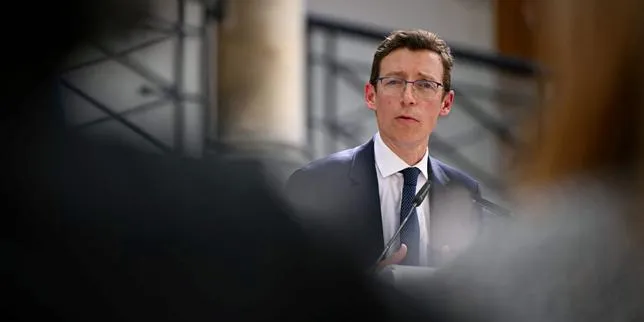
PARIS – The French Ministry of National Education has officially prohibited all forms of campaigning for the 2027 presidential election within school environments. This policy, announced by the Minister of National Education in 2026, aims to maintain the neutrality of educational institutions and ensure professionalism and confidentiality obligations for all education personnel. This firm action follows concerns about premature politicization among students and staff.
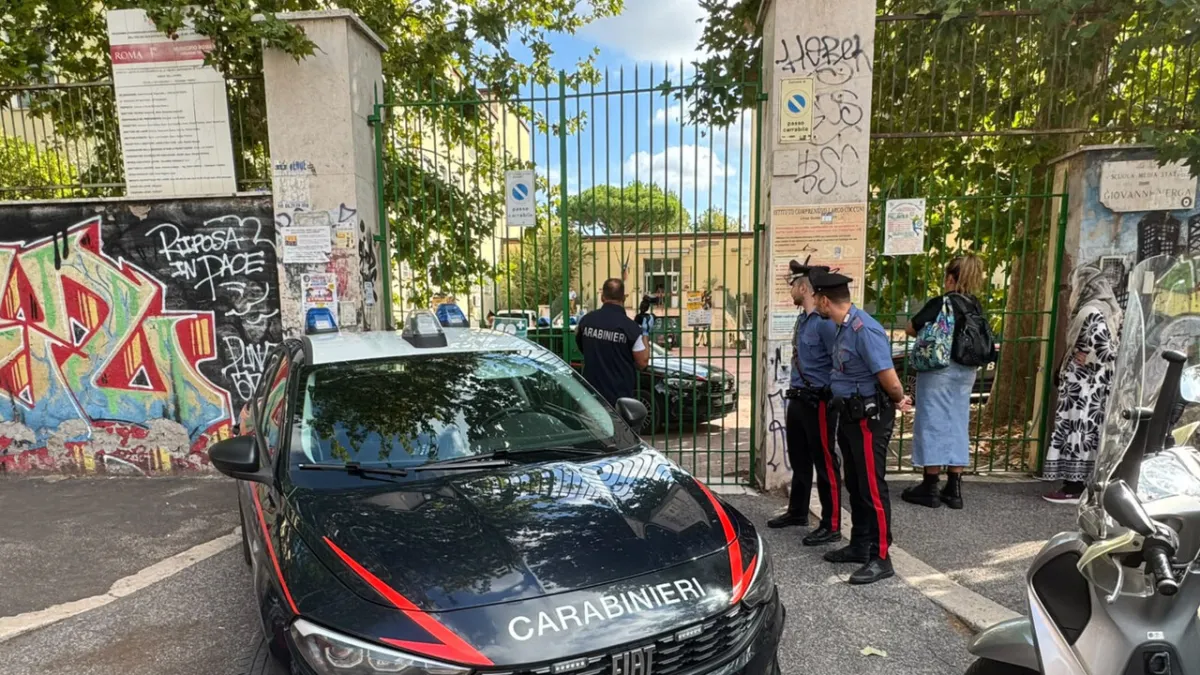
The Ministry of National Education has issued a new circular, effective immediately, tightening regulations on practical political activities in schools. The circular explicitly states that all presidential candidates and their campaign teams for the 2027 election are not allowed to conduct campaign activities within school premises, both public and private.
This move comes in response to increasing political polarization and the potential misuse of educational environments for electoral purposes. Various prior incidents, though not always involving direct campaigning, have sparked public debate regarding schools' independence from political influence.
In addition to the campaign ban, the circular also reiterates the importance of 'the duty to maintain confidentiality' and 'professional conduct' for all teaching and non-teaching staff. They are expected to refrain from any form of affiliation or expression of political support that could affect the neutral atmosphere in schools.
A spokesperson for the Ministry of National Education, who requested anonymity, explained that emphasizing this duty of confidentiality is crucial. 'The principle of neutrality must be strictly upheld. The school environment is a place for learning and self-development, not an arena for political contestation,' they stated.
This policy is expected to create a conducive educational climate where students can learn and develop without political pressure or indoctrination. It also serves as an effort to protect children from exposure to potentially divisive political rhetoric.
Various parent-teacher associations and teacher unions have welcomed this policy. They argue that political intervention in schools can disrupt the focus of education and create unnecessary tension within the school community. Previously, efforts to keep educational environments free from practical politics have been seen in various global initiatives, such as schools in Italy actively promoting inclusion as part of character education, or even educational exhibitions now required to adhere to a new code of ethics to ensure transparency.
Previously, while unwritten ethics existed, there was no regulation as clear as this specifically prohibiting presidential campaigns in schools. This new regulation fills a legal vacuum and provides clearer guidance for all parties involved.
With this ban in place, 2027 presidential candidates must devise more innovative campaign strategies that do not involve educational institutions. They are required to reach voters through other ethical and regulated channels.
This step underscores the government's commitment to preserving the integrity of the democratic process, ensuring that political campaigns take place in the appropriate sphere, and protecting vital institutions like schools from harmful politicization.
Editorial Insight: The decision by the Ministry of National Education to ban presidential campaigns in schools is a progressive and essential step in maintaining healthy democratic pillars. The neutrality of educational institutions is not merely an ethical matter, but also a foundation for developing critical and unbiased citizens. Consistent implementation of this circular will be key to its success, given the increasingly complex challenges of separating politics from the public sphere. This policy also has the potential to serve as a reference for other countries facing similar dilemmas in protecting their youth from the turmoil of practical politics.