 Edward DP Situmorang
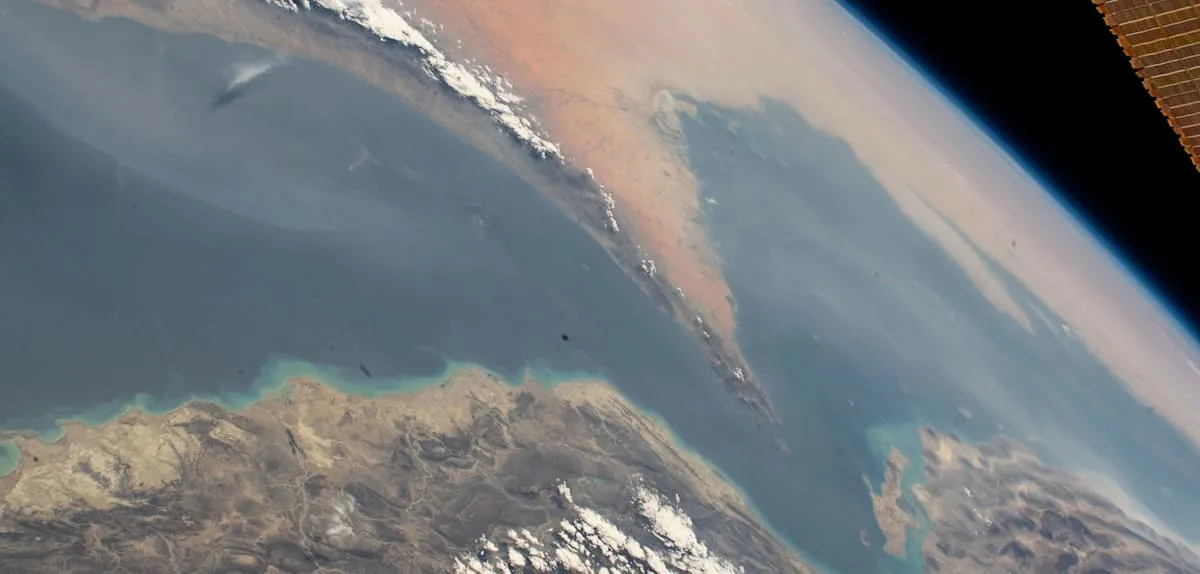
PERSIAN GULF – Geopolitical tensions in the Persian Gulf reignited in 2026, following a dramatic incident in the Strait of Hormuz. Two oil tankers reportedly caught fire after hitting sea mines, triggering a series of explosions. This serious incident, which also left a bulk carrier in distress, occurred after the vessels allegedly took an unauthorized shipping route. Initial reports indicate suspected involvement of the Iranian military, exacerbating global concerns over the security of this vital energy artery.
The Strait of Hormuz, connecting the Persian Gulf to the Arabian Sea, is one of the world's most critical maritime passages. Approximately one-third of all globally traded crude oil passes through this strategic strait daily, making it a flashpoint for conflicts with immense international economic and security implications.
According to preliminary information received, both tankers, whose identities have not yet been officially released, suffered severe damage from successive explosions. Large fires erupted from the ships' hulls, and crew rescue efforts are underway amid dangerous conditions. The affected bulk carrier reportedly sustained damage but was still able to move slowly.
Initial investigations highlight that the vessels deviated from established international shipping corridors. Maritime authorities cited an 'unauthorized route' as a key factor, and the discovery of sea mines indicates a deliberate act. The use of sea mines, especially in civilian shipping lanes, constitutes a serious violation of international maritime law and could trigger global condemnation.
The Persian Gulf region has long been a hotbed of tension between riparian states and global powers. The Iranian military, which regularly conducts exercises in these waters, frequently clashes with foreign vessels, especially those deemed to violate territorial limits or cross their exercise zones. This 2026 incident adds to a long history of escalation in one of the world's most volatile regions.
The immediate impact of this incident is expected to be significant. Global oil prices could surge dramatically, fueling uncertainty in international energy markets. Disruptions to oil shipments through the Strait of Hormuz could trigger a supply crisis, with economic consequences felt by major consumer nations in Asia, Europe, and America.
Several countries have voiced deep concern over the incident. Numerous world leaders have called on all parties to exercise restraint and avoid measures that could worsen the situation. Demands for an immediate independent investigation have also emerged to uncover the facts behind these mysterious explosions. Such incidents underscore concerns about Middle East instability, as frequently reported in regional news, such as our past article Israel in Turmoil: Herzog Appoints Eisenkot to Form Cabinet, Netanyahu Struggles.
The Iranian government has not yet issued an official statement regarding the incident. However, allegations of Iranian military involvement have emerged from several Western intelligence sources, pointing to previous operational patterns and their capabilities in sea mine deployment. Tehran itself has previously threatened to blockade the Strait of Hormuz in response to sanctions or external pressure, although these claims are consistently denied as defensive actions.
Global shipping and insurance companies are currently evaluating operational risks in the Strait of Hormuz. Insurance premiums for vessels passing through these waters are expected to skyrocket, which will ultimately increase shipping costs and impact global supply chains. Some companies may even consider longer and more expensive alternative routes to avoid similar risks.
The international community urges all parties to demonstrate a cooperative stance in de-escalating tensions. Constructive dialogue and respect for international law are key to preventing further escalation that could lead to open conflict, threatening regional stability and the global economy.
Editorial Insight: The 2026 incident in the Strait of Hormuz is more than just a maritime accident; it is a serious warning signal for global security and the economy. The involvement of sea mines indicates an actor deliberately seeking to disrupt the stability of crucial energy routes. Without swift and transparent diplomatic resolution, the world risks facing uncontrolled oil price surges and the potential for a wider military conflict, deepening international divisions.