 Stefani Rindus
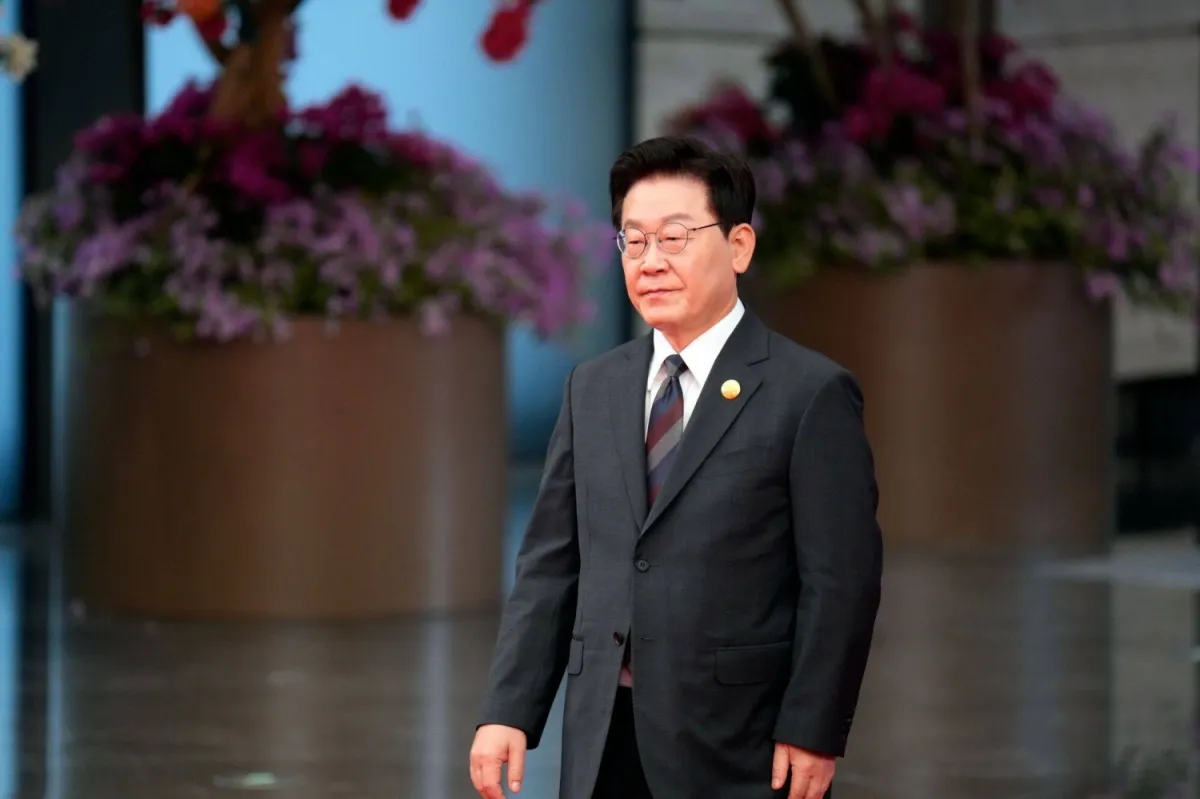
SHENZHEN – South Korean President Lee unequivocally called for the reopening of negotiations with North Korea, expressing his hope that these efforts could pave the way for lasting peace on the Korean Peninsula. This crucial statement was delivered by Lee during his keynote address at the Asia-Pacific Economic Cooperation (APEC) Summit in 2026 held in Shenzhen, China, affirming that stability in the region is an absolute prerequisite for shared prosperity across Asia Pacific.
Lee emphasized the urgency of diplomacy as the only sustainable instrument to overcome the long-standing tensions that have plagued both Koreas. According to him, without effective communication and goodwill from both sides, the cycle of confrontation will only continue to hinder the potential for broader regional growth and development.
The APEC Summit 2026 provides a strategic forum for Seoul to convey this message of peace to the leaders of the world's largest economies. The presence of delegations from various countries offers an invaluable platform for South Korea to garner international support for its dialogue initiatives, considering that conflict on the Korean Peninsula could spill over into global stability.
'Peace and stability on the Korean Peninsula are not merely our internal aspirations, but essential foundations for shared prosperity throughout the region,' President Lee stated. 'We must bravely take concrete steps towards dialogue, for a brighter future for all.'
This statement emerges amidst an increasingly complex global geopolitical dynamic. Relations between superpowers such as the United States under President Donald Trump, China under President Xi Jinping, and Russia under President Vladimir Putin, also shape the negotiation landscape that could potentially influence the direction of the Korean Peninsula. Efforts by these three powers to build a new axis, as discussed in Geopolitical Stage 2026: Trump, Xi, Putin Form a New Axis?, could have significant implications.
Historically, relations between Seoul and Pyongyang have often been marked by ups and downs, from periods of constructive dialogue to alarming military escalation. However, Lee's current call demonstrates a renewed determination to prioritize a more inclusive and sustainable diplomatic path, rather than merely responding to transient crises.
Several international political analysts believe that the timing of APEC 2026 is opportune for re-evaluating North Korea's commitment to peace. Persistent economic pressure and isolation might prompt Pyongyang to reconsider dialogue as a strategy to seek internal stability and recognition on the world stage.
Nevertheless, the challenges are substantial. Trust between the two countries remains fragile, and any dialogue effort requires patience and strong guarantees from the international community. The issue of North Korean denuclearization remains a major stumbling block requiring a careful multi-party approach.
This peace initiative is also relevant to discussions on the strategic maneuvers of global powers that can affect regional stability, as revealed in the article Three Power Maneuver: Xi Embraces Putin, Trump Approaches Beijing. This consolidation of power could be a supportive or hindering factor, depending on how these interests are aligned.
China's role, as the host of the APEC Summit and an influential neighboring country, will be crucial in facilitating any potential negotiations. Beijing has a strategic interest in maintaining regional stability, especially along its borders, and can act as an effective mediator if there is political will from both Koreas.
More broadly, the success of peace talks on the Korean Peninsula would not only reshape the regional political landscape but also unlock vast opportunities for economic cooperation and cultural exchange that have long been hampered. Investment and trade could flourish, creating jobs and improving the living standards of millions.
Seoul's commitment to peace through dialogue demonstrates diplomatic maturity. Although the path to reconciliation may be winding and long, the message delivered by President Lee in Shenzhen underscores the hope that the future of the Korean Peninsula does not have to be overshadowed by perpetual conflict.
Editorial Insight: President Lee's initiative at the APEC Summit 2026 reflects a paradigm shift in South Korea's approach to the Korean Peninsula issue. The focus on long-term diplomacy and regional support demonstrates an understanding that peace is not an instant finish line, but an ongoing process requiring global consensus. The success of this initiative heavily depends on Pyongyang's response and the international community's ability to maintain pressure while offering realistic incentives.