 Dorry Archiles
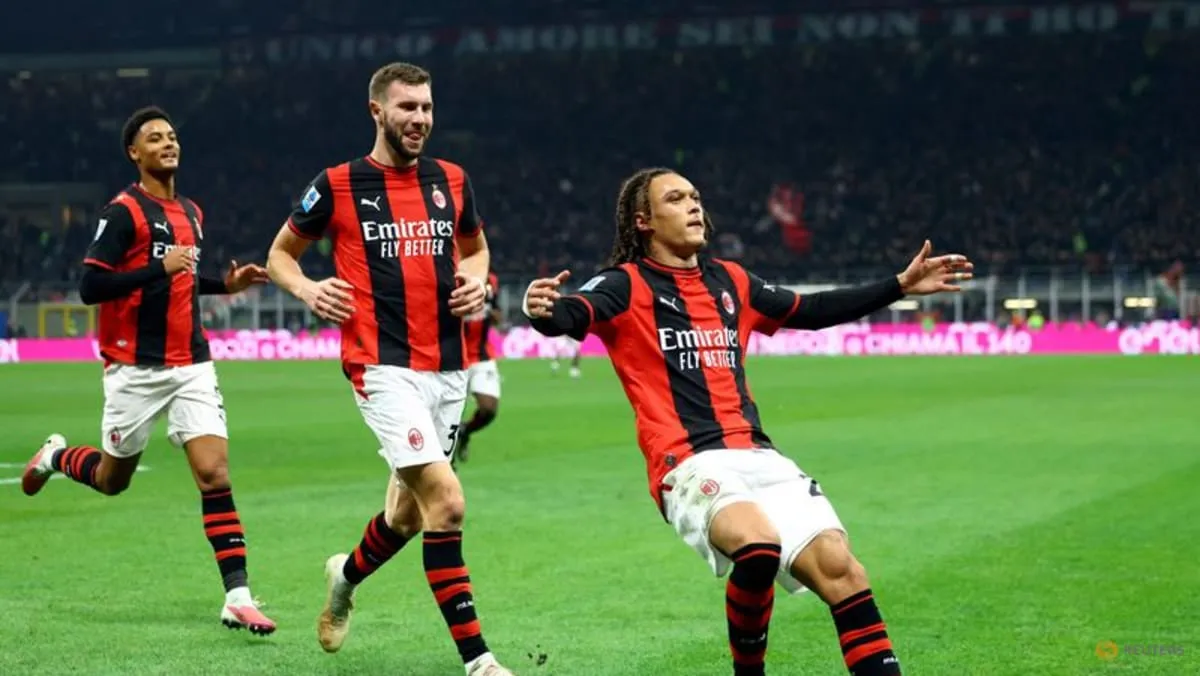
ROME – Several top clubs in Italy's Serie A league have reportedly paused crucial talks regarding a potential minority stake sale with leading American investment firm, Avenue Capital. This decision, emerging in early 2026, has ignited speculation about the financial stability of the league and the future direction of vital investments aimed at maintaining competitiveness in European football. Internal sources close to the negotiations indicate that this suspension is not merely a temporary halt, but a reflection of the complexities of valuation and differing expectations between the clubs and the potential investor.
Previously, Avenue Capital had expressed serious interest in injecting significant capital into Serie A, targeting the acquisition of a small stake in the league's business entity. The objective was to help modernize infrastructure, develop global marketing, and enhance broadcasting revenues, which lag behind other elite leagues such as the English Premier League and Spain's La Liga. This deal was seen as a potential lifeline for many clubs grappling with post-pandemic financial pressures.
The pause is reportedly driven by objections from several major clubs, who feel the proposed valuation does not adequately reflect Serie A's growth potential and global brand. They are said to be demanding greater control over strategic decisions or seeking more lucrative offers from other parties. Global economic uncertainties in 2026 are also believed to contribute to this cautious stance, making clubs reluctant to rush into long-term agreements.
This situation places Lega Serie A in a difficult position. On one hand, the league urgently needs capital injections to close the financial gap with European competitors. On the other, it must balance the varied interests of diverse clubs with differing agendas and bargaining power. Losing the investment opportunity from Avenue Capital could exacerbate the liquidity crisis faced by several league participants.
A senior executive from one of the top clubs, who requested anonymity, stated, 'We need to ensure that any strategic partnership will genuinely benefit all parties, not just provide a short-term solution. Fair valuation and a common understanding of the long-term vision are imperative.' This statement underscores fundamental disagreements that need to be resolved.
Avenue Capital, through its representatives, had previously affirmed its commitment to Serie A's long-term growth. However, other sources suggest that a prolonged delay could test the investor's patience, potentially leading them to withdraw entirely from negotiations if significant progress is not made soon.
The impact of this delay cannot be underestimated. Without substantial external investment, Serie A may find it increasingly difficult to compete in terms of player talent, stadium facilities, and global market penetration. This could worsen the exodus of star players to other leagues and diminish the competition's appeal to international fans.
The financial future of Serie A now hinges on the ability of league leaders and clubs to reach a consensus. Constructive dialogue and flexibility from both sides, both the clubs and Avenue Capital, will be key to reviving these negotiations and ensuring the league can secure the capital needed for its evolution and sustainability.
The Italian Football Federation (FIGC) and the Italian National Olympic Committee (CONI) will likely be observing these developments closely. Intervention or facilitation from higher authorities may be necessary if the stalemate persists, given Serie A's importance as a national and cultural asset.
Several sports economy experts warn that without a clear financial strategy and swift investment implementation, Serie A risks falling further into the shadow of other European leagues that are more financially stable and innovative in their business models.
Editorial Insight:
The delay in negotiations between Serie A clubs and Avenue Capital highlights the intrinsic challenges in modernizing a historic football league. The conflict between urgent financial needs and clubs' desire to maintain autonomy and secure the best valuation is a classic dilemma. Should a deal not materialize, Serie A risks losing a golden opportunity to revitalize itself, which could have long-term consequences on the quality of its competition and its position on the global football map. The league needs to find a balance between tradition and modern business pragmatism.