 Debby Wijaya
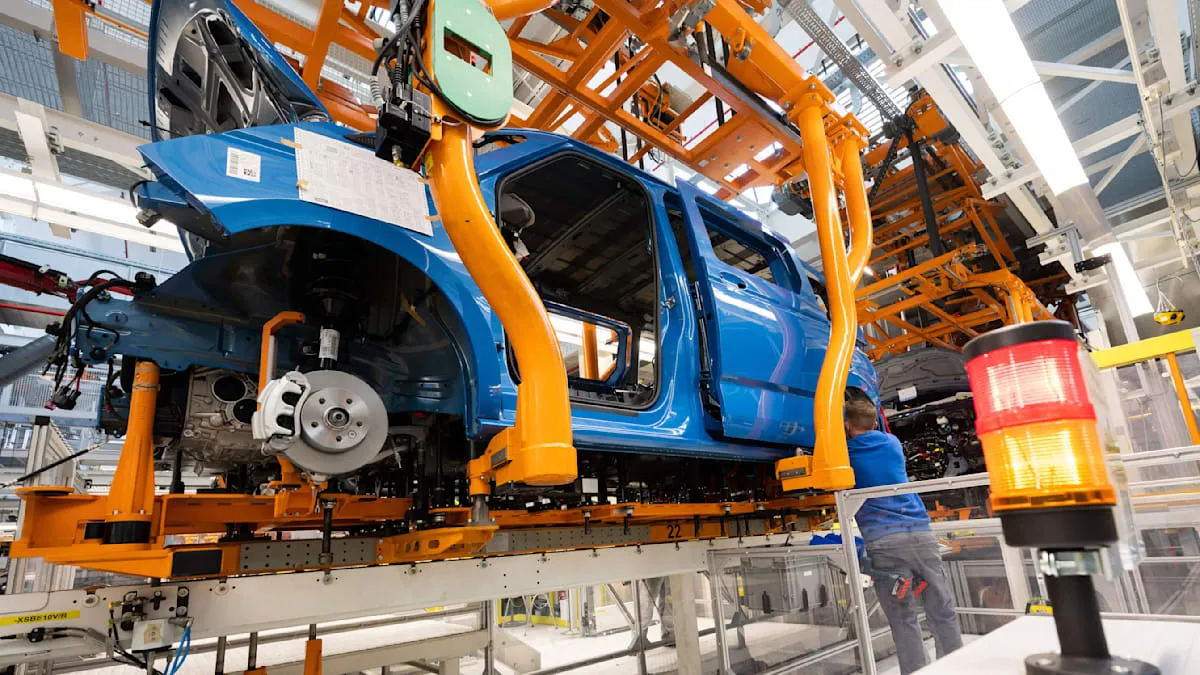
BERLIN — Serious concerns cloud Germany's economic outlook for 2026 following the release of new survey data indicating low investment readiness among businesses. Nearly one in five companies in the country reportedly are not investing at all, a clear sign of deep-seated pressures. This situation, unveiled through a poll of nearly 1,000 companies, is predominantly driven by surging labor costs, heavy tax burdens, and continuously rising energy prices.
This comprehensive survey, encompassing diverse industrial sectors across Germany, highlights an increasingly challenging business climate. The data shows that while some sectors are still striving to maintain investment momentum, the majority feel burdened by economic uncertainty and escalating operational costs. This tendency to withhold investment could potentially hinder innovation and expansion, crucial for Germany's economic competitiveness on the global stage.
One of the primary drivers of this downturn is the high cost of labor. Germany, with its relatively high wage standards and stringent labor regulations, faces challenges in maintaining competitiveness amidst global market rivalry. Companies feel pressured to cut expenditures, often leading to delays or cancellations of new investment projects.
Furthermore, corporate tax burdens, deemed onerous by many, complicate the situation. Although the government has attempted reforms, many business actors argue that the current tax system is not sufficiently conducive to fostering growth and attracting investment. A less attractive tax environment can cause Germany to lose out to other countries offering greater fiscal incentives.
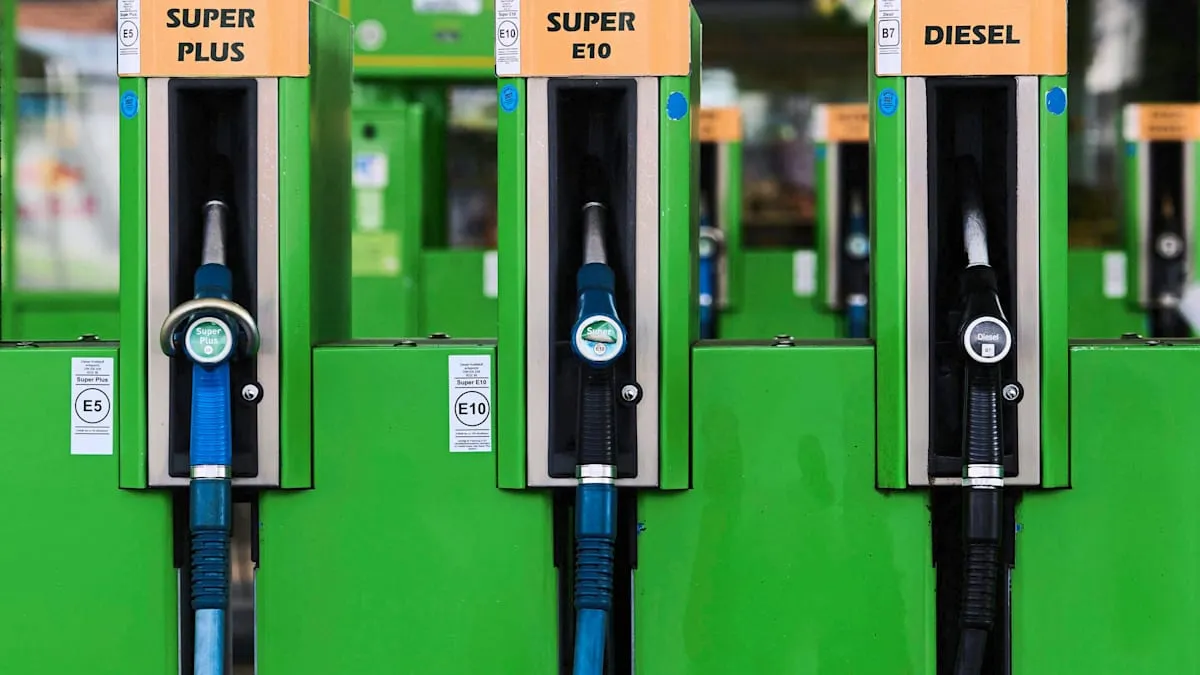
Fluctuating and persistently high energy prices constitute another decisive factor. Following the global energy crisis several years prior, energy costs remain a significant concern for German industries, especially energy-intensive manufacturing sectors. Uncertainty in supply and sustained energy prices force companies to allocate larger budgets for operations, leaving little room for long-term investment.
The repercussions of this low investment are far-reaching. Economists predict a slowdown in economic growth and an overall decline in productivity. Without new capital injection, modernization of facilities and adoption of cutting-edge technologies could be delayed, diminishing Germany's ability to compete in innovation and efficiency.
The German government, under Chancellor Olaf Scholz in 2026, faces intense pressure to formulate more pro-investment policies. Efforts undertaken, such as the controversial budget austerity package, have instead sparked negative reactions from various sectors, including protests from hospitals under threat. This situation underscores the complexity of the challenges that must be overcome.
Economic analysts warn that if this trend continues, Germany may lose its position as Europe's economic engine. "We are seeing clear indications of an erosion of investor confidence. Without bold structural reforms, Germany risks falling behind," stated a senior economist from a leading research institution in Frankfurt. A similar situation is evident in related news regarding Germany's Austerity Package Triggers Widespread Protests: Hospitals Threatened.
This situation demands a more holistic approach from the government and stakeholders to create a more attractive business environment. Optimizing regulations, providing tax incentives, and developing long-term energy strategies are key to restoring investment momentum in Germany.
The future of the German economy heavily depends on the country's ability to adapt and overcome existing cost challenges. Responsive and visionary policies are necessary to ensure that Germany remains a hub of innovation and an economic powerhouse globally.