 Edward DP Situmorang
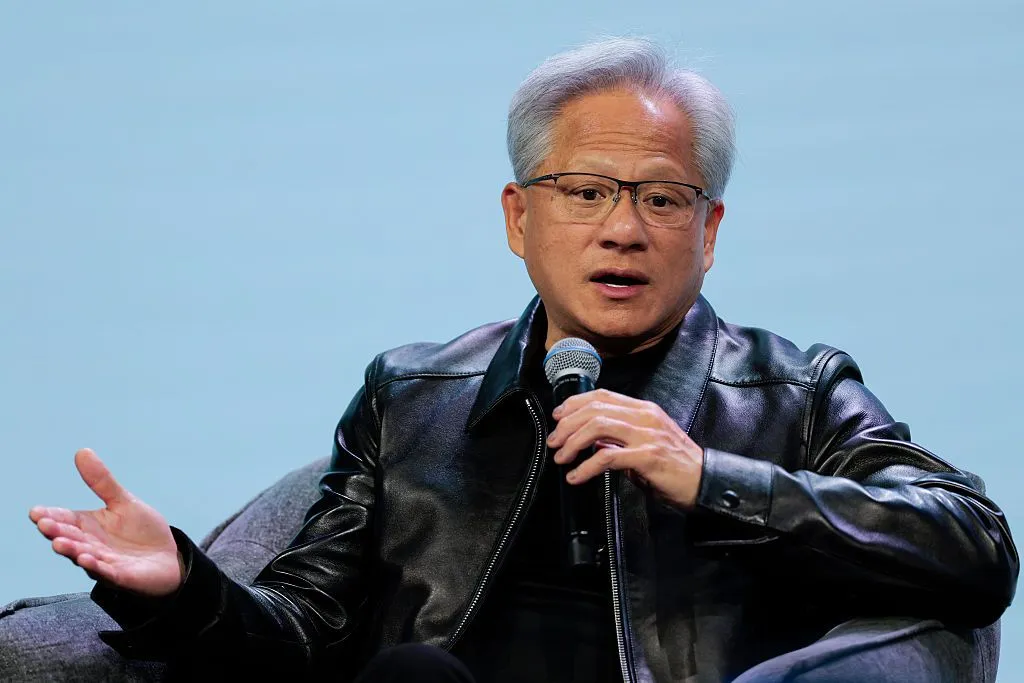
JAKARTA – A spy scandal shaking the technology giant Nvidia has triggered panic among artificial intelligence (AI) firms in China. They are now racing against time to secure advanced chip capacity from Nvidia, following concerns that Washington may tighten restrictions on the use of such sophisticated processors. The incident involving Nvidias CEO, Jensen Huang, is believed to be the primary catalyst for this upheaval.
News of potentially stricter restrictions from the United States arrived like a bolt from the blue for Chinas technology industry, which heavily relies on Western semiconductor technology. Moreover, the scandal implicating Nvidias top leader adds another layer of complexity to the already strained tech trade relations between the two superpowers.
Jensen Huang, the central figure behind Nvidias dominance in the global AI chip market, is now under intense scrutiny. Although the details of the spy scandal remain vague, its geopolitical implications are clear: Washington could leverage this situation to impose tighter export controls, especially on technologies with dual-use applications, both civilian and military. This is expected to significantly hamper Chinas technological innovation ambitions.
Leading AI companies in China, which have historically relied on Nvidias GPUs (Graphics Processing Units) to train large language models (LLMs) and develop cutting-edge AI applications, now face the prospect of supply shortages. Securing chip capacity, even at a premium price, has become a top priority to ensure the continuity of their research and development projects.
This move underscores the crucial role of Nvidia chips in Chinas AI ecosystem. Without adequate access to these high-performance processors, Chinas ability to compete at the forefront of global AI innovation could be significantly impeded. This exacerbates existing uncertainties, given that several chip export restrictions by the US have been in place for the past few years.
Several industry reports indicate that some major Chinese technology companies have contacted suppliers and distributors to explore large-volume purchases, even for long-term contracts. They are attempting to lock in supplies before new Washington regulations officially take effect, which are feared to limit their ability to acquire these chips.
This situation is reminiscent of previous episodes where Chinese technology companies scrambled for crucial components ahead of sanctions enforcement. Machine learning and advanced AI applications demand massive computational power, and Nvidia chips are the gold standard in this arena. Therefore, fears of supply disruption are well-founded.
Market analysts view this movement as a strategic defensive response. Chinese companies fully understand that supply vulnerability is an existential threat to their business models, said a technology expert from Peking University, who requested anonymity. The scandal affecting Jensen Huang is merely a catalyst, accelerating decisions they may have already considered.
The United States government has not yet officially announced new policies regarding chip export restrictions following this scandal. However, signals emerging from Washington's political circles indicate a tendency to tighten control over sensitive technologies that could be used by rival nations. This includes advanced semiconductor technology, which forms the backbone of AI development.
The long-term impact of such policies could reshape the global AI industry landscape. China may be forced to invest more heavily in domestic chip development, although such efforts would require many years and immense resources to match Nvidia's capabilities. This technological tension has the potential to fragment global supply chains into more isolated regional blocs.
Nvidia Hit by Scandal Storm: CEO Jensen Huang Facing Ouster? is one of a series of reports highlighting internal turbulence at Nvidia. The link between a personal scandal involving a global tech company leader and national policy indicates the complexity of geopolitical and technological relationships in the modern era.
Editorial Insight:
The scandal affecting Jensen Huang is an intriguing case demonstrating how the personal issues of a global technology leader can have profound geopolitical implications. If Washington indeed tightens regulations, it will not only complicate matters for Chinese AI firms but also likely spur a more intense domestic chip innovation race in China. However, the challenge lies in time and cost, which could span decades. These dynamics will reshape the global tech competition landscape for years to come, with the potential for greater fragmentation in the semiconductor supply chain.