 Chris Robert
Rome — A recent report by Legambiente highlights the emergency condition of Southern Italy’s coasts. Since 2010, this region has consistently been a prime target for extreme climate phenomena, causing severe damage to coastlines and maritime ecosystems, while the absence of a specific national adaptation plan further exacerbates its vulnerability.
The prominent environmental organization, Legambiente, recently released alarming data concerning the impact of climate change on the beaches and coastal areas in the southern part of the Apennine Peninsula. These findings underscore the urgency of government intervention to protect crucial natural heritage and coastal economies.
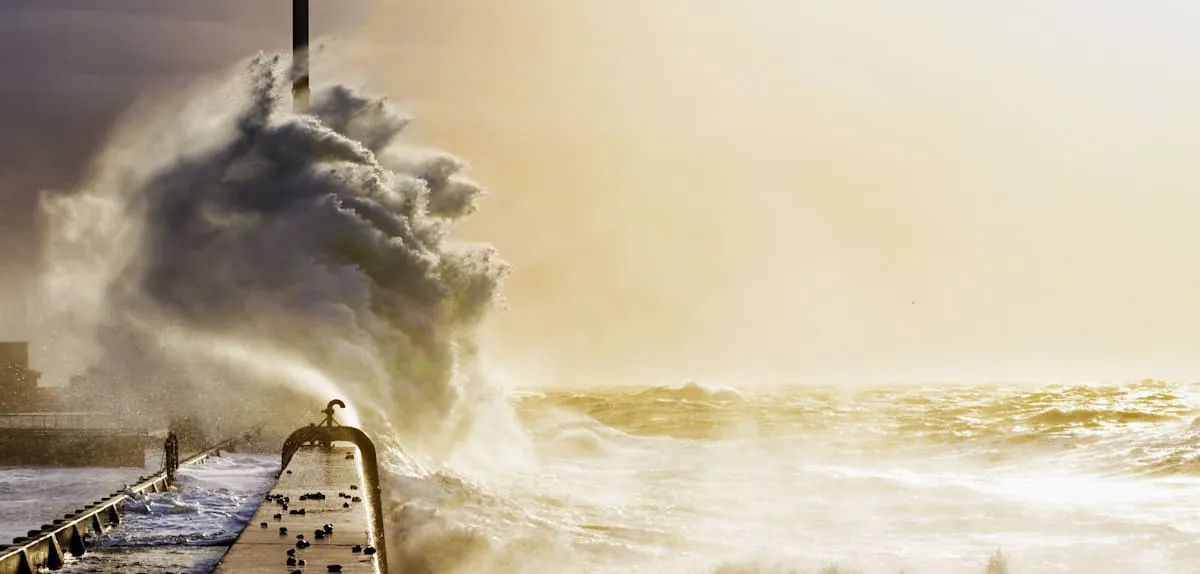
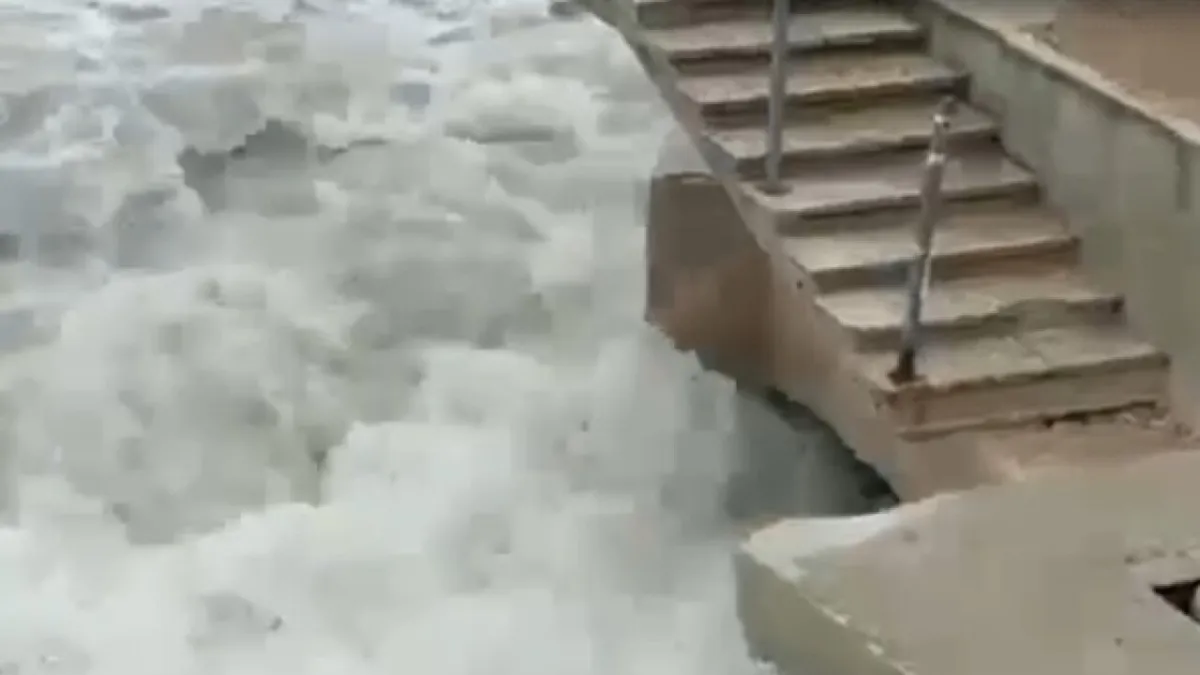
Legambiente’s analysis shows that for over a decade, Southern Italy has faced a series of extreme hydrological and meteorological events. Flash floods, massive coastal erosion, and intense sea storms have become a routine sight, altering coastal topography and threatening local infrastructure.
“The vulnerability of Southern Italy’s coasts has reached a critical point,” stated Giorgio Zampetti, Director General of Legambiente, during a press conference in Rome in early 2026. “Thousands of kilometers of coastline have been eroded, natural habitats damaged, and coastal communities live in uncertainty. This is no longer a future threat but a harsh present reality.”
The report specifically highlights the government’s failure to formulate and implement a coordinated climate adaptation strategy for coastal areas. Despite repeated warnings from scientists and activists, policy responses remain fragmented and reactive.
The absence of this national plan, according to Legambiente, constitutes a serious gap in disaster risk mitigation. “Without a clear framework, each region struggles on its own against climate impacts, often with limited resources and without effective coordination,” Zampetti added.
Damage is not only ecological but also economic. The tourism, fishing, and agricultural sectors on Southern Italy's coast, which are the backbone of the local economy, now face existential threats. Financial losses due to climate disasters are estimated to reach billions of euros since 2010.
The impact of climate change is not only felt in Italy, but also in other parts of the world, as the Antarctic ice disaster that caused the mass death of thousands of emperor penguin chicks that shocked the world. Various local mitigation efforts have indeed been undertaken, such as the construction of coastal barriers and the restoration of mangrove ecosystems, but the scale of the problem far exceeds the capacity of individual initiatives.
Comprehensive national intervention is required, involving various ministries and agencies. Geologists and oceanographers have long voiced similar concerns. Professor Elena Rossi from the University of Naples stated, “Changes in ocean current patterns, rising sea levels, and increased storm intensity require integrated, science-based solutions, not patchwork fixes.”
Legambiente urges the Italian government, under the leadership of Prime Minister Giorgia Meloni (as of 2026), to immediately prioritize the formulation of a “National Adaptation Plan for Coasts.” This plan must include risk mapping, investment in green infrastructure, regulation of coastal land use, and public education programs.
The organization also emphasizes the importance of local community and stakeholder participation in the policy formulation process. A “bottom-up” approach is considered crucial for proposed solutions to be relevant and sustainable.
The future of Southern Italy’s coasts, with their natural beauty and cultural heritage, depends on swift and decisive government action. This Legambiente report serves as a strong call to all elements of the nation to rise and protect invaluable national assets from the threat of the climate crisis.