 Edward DP Situmorang
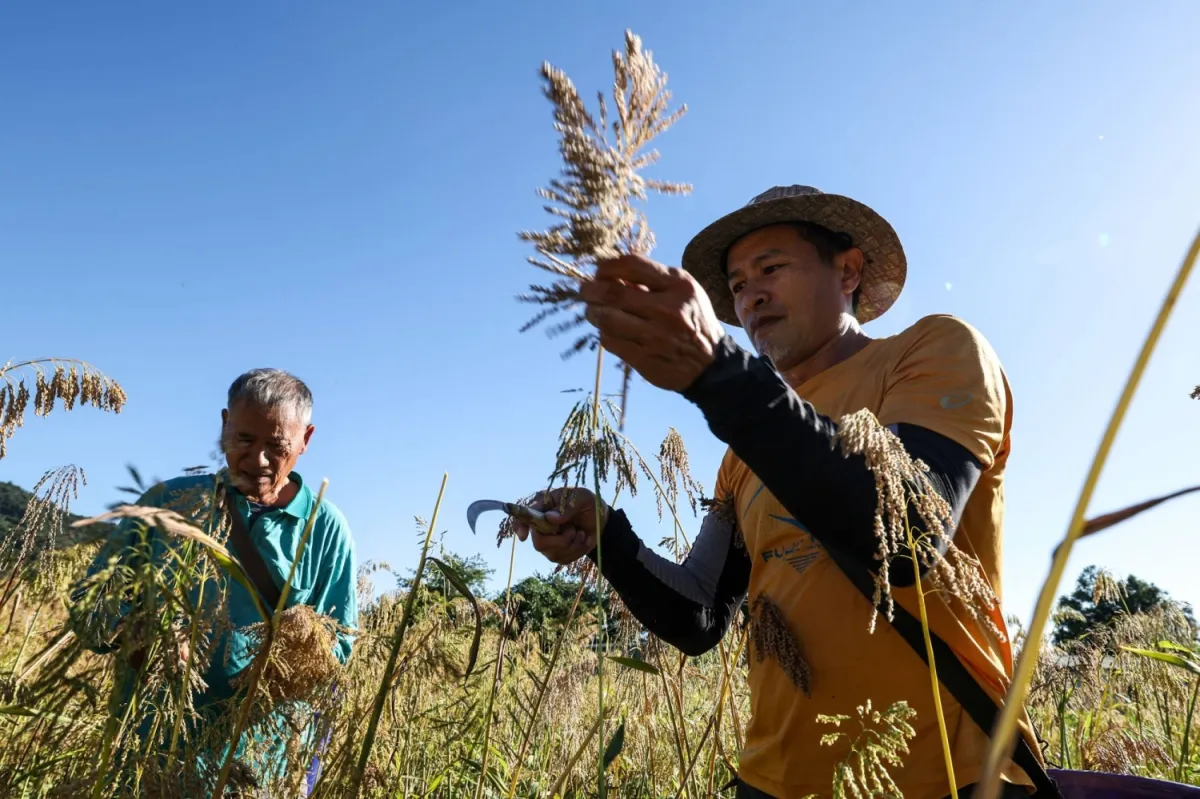
TAIPEI – Indigenous farmers in Taiwan have, over the past decade, initiated a vital movement to revive oil millet, a nearly forgotten food crop that now stands as a beacon of hope amid the escalating global climate crisis of 2026. This strategic endeavor not only preserves invaluable agro-cultural heritage but also strengthens national food security foundations as global temperatures continue to rise significantly.
The resurgence of oil millet (Setaria italica) is driven by its exceptional characteristics. This crop is renowned for its high resilience to extreme weather conditions, such as prolonged droughts and unpredictable rainfall, making it a crucial alternative to mainstream commodities vulnerable to climate change.
This revitalization movement has been specifically spearheaded by Indigenous farming communities across various regions of Taiwan. They leverage traditional knowledge passed down through generations, a local wisdom proven effective in environmental adaptation. This initiative represents a fusion of ancestral farming practices with a modern understanding of ecological sustainability.
A spokesperson for Taiwan's Ministry of Agriculture stated, The revitalization of oil millet is a monumental step. Its not just about replanting, but integrating lessons from the past into our future food security strategy. In 2026, innovations like this are absolutely necessary. This statement underscores the government's commitment to the program.
The benefits of this project are extensive. Firstly, it directly enhances food security at the local level, reducing reliance on imports and stabilizing food supplies in vulnerable communities. Secondly, economically, it provides new income opportunities for Indigenous farmers while preserving their cultural identity, which is deeply intertwined with the land.
Global food crises are indeed a major focus in 2026. Various countries face serious challenges, from supply chain disruptions to devastating pest invasions. The case in Japan, for instance, illustrates how the Kyon invasion has shaken farmers in Chiba, threatening a regional food crisis. This context emphasizes the urgency of Taiwan's approach.
The Taiwanese government provides support through research and development programs to identify the most resilient and productive oil millet varieties. Furthermore, educational efforts are continuously promoted to reintroduce the nutritional value and culinary potential of oil millet to the broader public, most of whom are accustomed to rice or wheat.
Despite the promising outlook, challenges persist. These include convincing younger generations to embrace oil millet farming again and ensuring broader market acceptance for this commodity. However, the spirit of collaboration among the government, Indigenous communities, and scientists continues to thrive.
The revitalization of oil millet in Taiwan is a tangible example of how innovative solutions to climate challenges can be found in time-tested local wisdom. This project serves as an inspiration for many nations grappling with the impacts of climate change on their agricultural sectors.
Editorial Insight:
Taiwan's efforts to revive oil millet exemplify a vital blend of traditional wisdom and modern necessity in addressing the 2026 global climate crisis. This is more than an agricultural act; it is a geopolitical statement regarding food autonomy and ecological sustainability. This model is replicable in other countries, offering a blueprint for adaptive, community-based food security amidst global environmental turbulence.