 Stefani Rindus
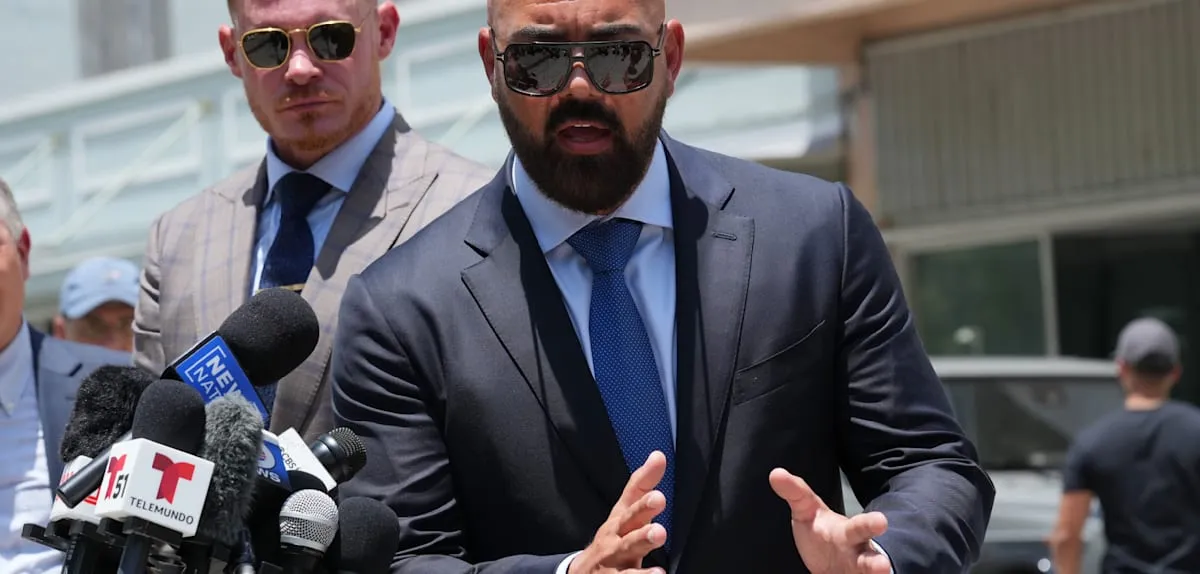
Miami — Andrew and Tristan Tate, the two controversial influencer brothers, are now intensively challenging legal proceedings in Miami in 2026, resisting their potential extradition to Great Britain. This legal battle marks a new chapter in a series of cases involving public figures with global reach.
The transformation of their appearance from luxurious designer suits to prison uniforms underscores the gravity of the situation, as they seek to thwart demands that could transfer them to another jurisdiction that has recently garnered attention. This represents a significant blow to the flamboyant image they have projected.
Sources close to the case mention allegations of dirt and slander forming the basis of this extradition effort, although specific details of the charges in Great Britain have not been fully disclosed. These accusations have caused a major upheaval in the online world, sparking various speculations and debates.
The legal resistance undertaken in the United States is not merely a formality. Their legal team is crafting strong arguments to challenge the validity of the extradition request, highlighting complex procedural and substantive legal aspects. They are determined to prove that their clients should not be extradited.
This case adds to a long list of legal issues involving the two brothers. Their reputation, previously known for their lavish lifestyle and provocative statements on social media, is now further tested in court, facing the consequences of intense public scrutiny.
The dramatic shift from private jets and luxury to prison cells is a bitter reality faced by Andrew and Tristan. This symbolizes how social media influence and wealth do not guarantee immunity from the internationally applicable legal system.
The extradition process itself involves complex international cooperation, where legal authorities in the United States and Great Britain must ensure all requirements of the extradition treaty are met before the next steps are taken. The validity of evidence and procedures is crucial.
The Tate case serves as an interesting case study on the legal impact on public figures in the digital age. This event also opens discussions about the accountability and responsibility of global influencers, considering the audience reach they possess.
Similar cases, involving public figures and legal complexities, often garner global attention. For instance, cases like the one detailed in the article Rai Geger Skandal Ranucci also show how the fate of public figures can heavily depend on transparent and fair legal processes.
Should the legal efforts in Miami fail, extradition would open a new chapter for the Tate brothers in British courts, where they will face formal charges awaiting them. This would be a much longer and public legal battle.
Public opinion regarding Andrew Tate and his brother is divided, with many of their supporters still believing in a conspiracy, while others demand full accountability for the accusations leveled against them. This polarity complicates the public narrative.
This legal battle is predicted to be arduous, given the resources and determination of both sides. The final decision in Miami will be a crucial determinant for the future of Andrew and Tristan Tate, and the potential impact on their careers and freedom.