 Gabriella
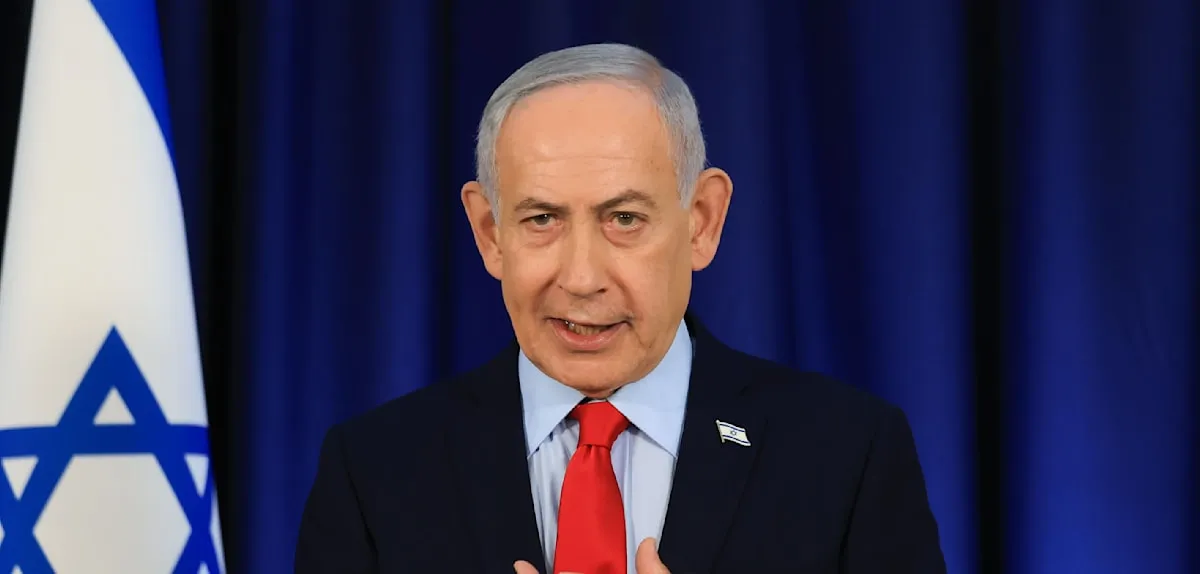
JERUSALEM — Israel has set October 27, 2026, as the date for its highly anticipated parliamentary general election. Prime Minister Benjamin Netanyahu, in office since 2023, now faces the prospect of losing his majority, following recent poll results indicating a significant decline in support. The political landscape is becoming increasingly dynamic with the emergence of former General Gadi Eisenkot as a strong and rising challenger.
The decision to hold this parliamentary election comes amidst internal turmoil and persistent external pressures shadowing Israel's political scene. The credibility of Netanyahu's government is fundamentally being tested, especially after a series of controversial policies and unresolved regional security issues.
Recent surveys, conducted by several leading polling agencies, consistently indicate that the coalition supporting Netanyahu is no longer as solid as before. These figures project a significant shift in voter preferences, reflecting public dissatisfaction with the status quo.
Gadi Eisenkot, former Chief of Staff of the Israel Defense Forces (IDF), has emerged as a central figure in the political arena. With a distinguished military record and a reputation as a pragmatic leader, Eisenkot has garnered widespread sympathy from various segments of society, including those who previously abstained or were dissatisfied.
Political analysis concludes that if this trend continues until election day, Israel could experience a drastic change in its parliamentary composition. A fragmented parliament or one formed from a broader coalition could substantially affect both domestic and foreign policy directions.
Netanyahu, known as one of Israel's most experienced politicians, now faces one of the toughest tests of his career. Despite having a loyal supporter base, criticism of his leadership style and allegations related to his personal legal issues continue to draw public scrutiny.
In facing this challenge, Netanyahu's supporting parties are expected to launch an aggressive campaign, highlighting the experience and stability offered by his leadership. They will likely emphasize national security and economic growth as key talking points.
On the other hand, Eisenkot's campaign will likely focus on reform, national unity, and a reaffirmation of democratic values. Narratives of “leadership change” and “restoring public trust” will be central to his political message.
The 2026 election is not merely a struggle for power, but also a reflection of the collective desire of the Israeli people for the future of their nation. High voter participation will be a crucial indicator of the extent of the desire for change or, conversely, the consolidation of existing power.
This domestic political uncertainty coincides with escalating tensions in the Middle East region. Issues such as the Israeli-Palestinian conflict, the threat from Iran, and the dynamics of relations with other Arab nations will remain top agenda items for the new government. In this context, regional turmoil often influences internal political dynamics, as previously seen in Pizzaballa: Peace Is Only Culture, Middle East Trapped in Endless Crisis 2026.
Furthermore, economic challenges such as inflation and social inequality are also points of focus. How candidates offer concrete solutions to these problems will significantly determine public perception.
The international community will closely monitor the election results, given Israel's strategic position and its role in global stability. A change in leadership could lead to shifts in foreign policy with broad implications.
Given Israel's multi-party political system, the post-election coalition formation process will be complex and crucial. The ability to build consensus among various political factions will determine the effectiveness of the upcoming government.
With the election date set, Israel's political stage is now prepared for a fierce contest. Whether Netanyahu will succeed in overcoming the wave of opposition or if a new era will begin under different leadership, these questions will only be answered on October 27, 2026.