 Gabriella
TEHRAN – The Islamic Republic of Iran is reportedly undertaking a meticulous evaluation of potential targeting of United States military facilities located in Europe, specifically in nations such as Bulgaria and Cyprus, in the event of an escalation of conflict. This information was first revealed by a credible report from the Financial Times, citing intelligence sources familiar with the situation, thereby igniting serious apprehension regarding the potential widening of geopolitical tensions.
The report indicates that this evaluation does not constitute an immediate threat, but rather forms part of Tehran's strategic contingency planning in response to regional security dynamics. Iran, known for its asymmetrical defense doctrine, has historically demonstrated a readiness to respond to threats by extending its operational reach beyond its traditional territories.
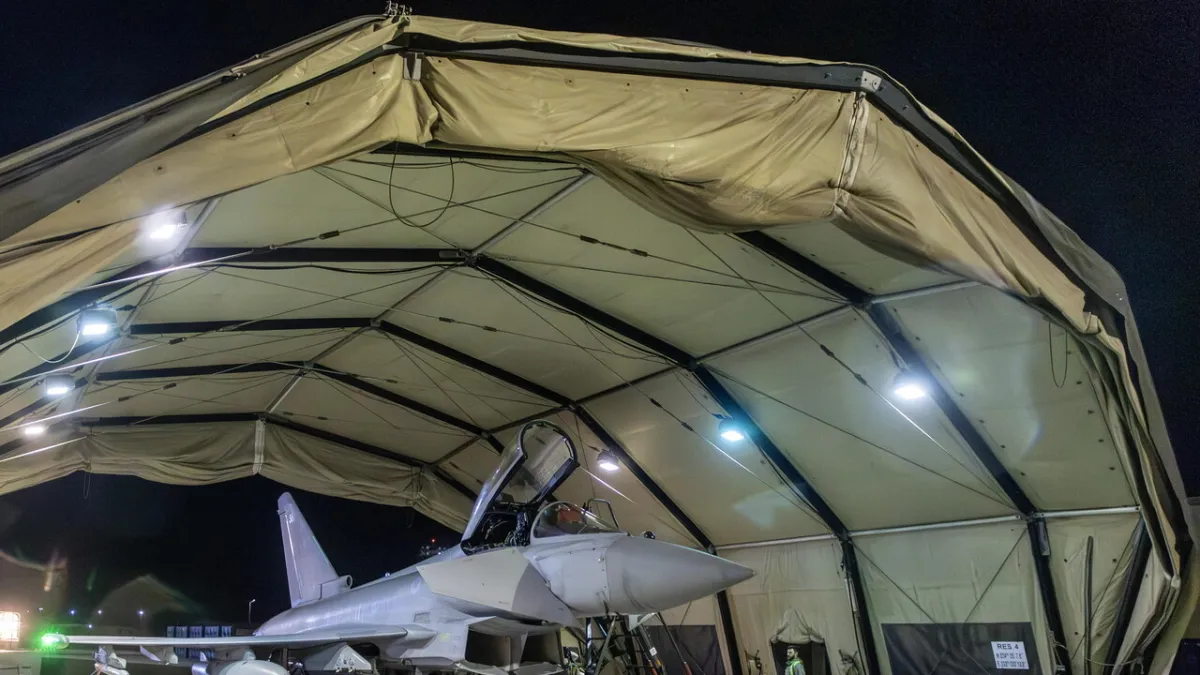
The inclusion of Bulgaria and Cyprus in this list of potential targets highlights Iran's strategic reach and its focus on vital infrastructure supporting US military operations in Eastern Europe and the Mediterranean. Bulgaria hosts several US military facilities, including air bases and training centers, which significantly contribute to NATO's presence in the region.
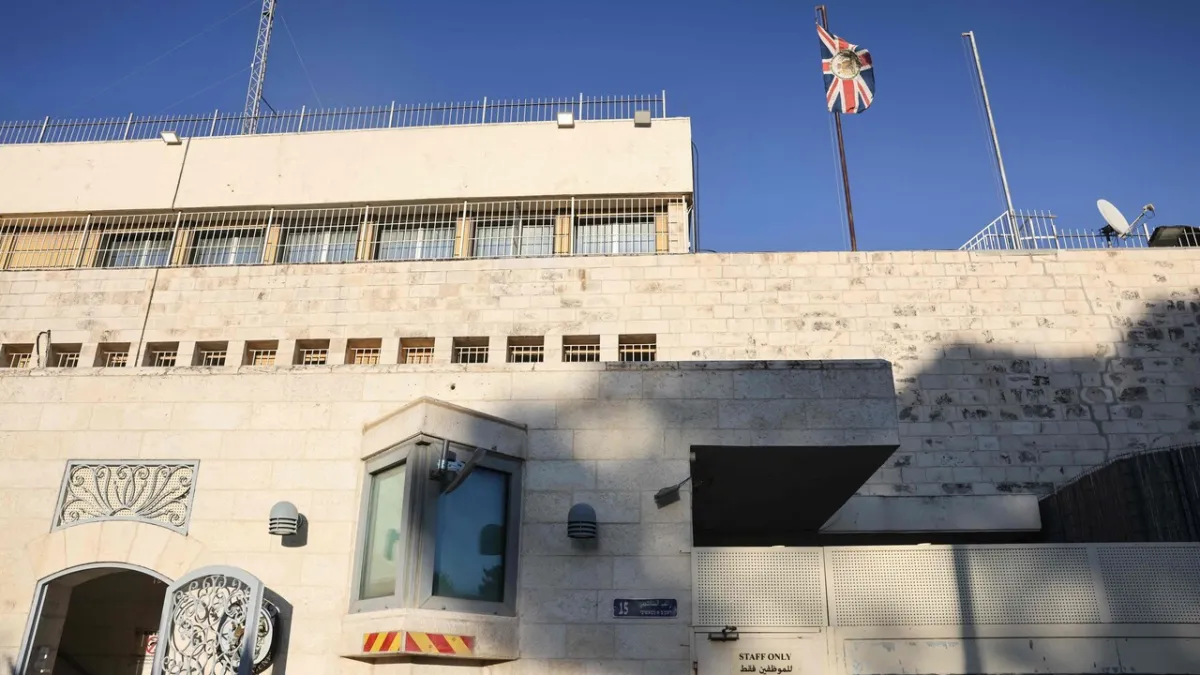
Meanwhile, Cyprus, although not a NATO member, hosts British military bases utilized by the US and its allies for operations across the Middle East and North Africa. Its strategic geographical position in the Eastern Mediterranean makes it a crucial node in Western military logistics and intelligence networks.
Intelligence sources quoted by the Financial Times elaborated, 'Presi in esame possibili attacchi in Paesi come la Bulgaria e Cipro' – meaning 'Possible attacks in countries such as Bulgaria and Cyprus are being considered.' This statement underscores that in-depth analysis is underway within Iranian military circles.
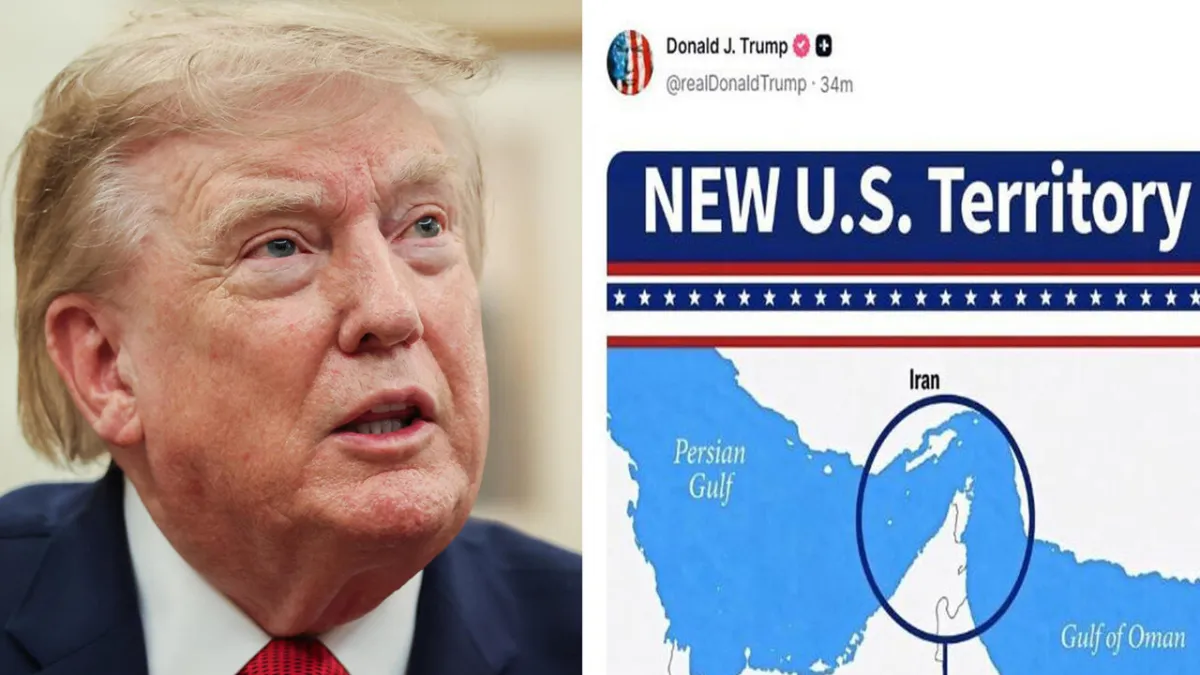
This veiled threat emerges amidst soaring tensions in the Middle East, particularly following a series of incidents in the Red Sea and the Persian Gulf. The increasing US involvement in securing vital shipping lanes has been perceived by Tehran as a provocation that could trigger further responses. This is reminiscent of when the United States claimed Hormuz, provoking Iranian fury.
The administration of United States President Donald Trump, who returned to office in 2025, has reaffirmed its commitment to protecting US interests and its allies worldwide. This stance potentially deepens the chasm of distrust between Washington and Tehran, pushing Iran to explore non-conventional options.
Some geopolitical analysts suggest that this move by Iran is an an attempt to enhance its bargaining power in negotiations or to serve as a warning against any preemptive military action by the US or its allies. It could also be viewed as a strategy to distribute risk and pose dilemmas for policymakers in Washington and Brussels.
The European Union and NATO, which have direct security interests in their member states, are expected to monitor this situation closely. The potential threat to military infrastructure in their territory demands heightened vigilance and defense coordination. This report also echoes NATO's defense preparations in the Baltic region, which also faces regional tensions.
The governments of Bulgaria and Cyprus have not yet issued official statements regarding this report. However, this situation will most likely become a primary agenda item in regional and bilateral security meetings involving the US and EU member states.
The implications of such a threat are not limited to military aspects. Global markets, particularly oil and gas prices, could experience significant volatility due to increased geopolitical uncertainty. Investors and market players will closely monitor developments.
Past incidents in the Strait of Hormuz, where Iran once threatened to close the vital waterway, demonstrate that Tehran has a history of employing strategic threats to achieve its political objectives. A similar pattern might be applied with different geographical targets in this scenario.
Editorial Insight: The Financial Times report regarding Iran's evaluation of US military targets in Europe marks a significant escalation in rhetoric, albeit still within the framework of contingency planning. It underscores the urgency for the international community to seek effective diplomatic channels to de-escalate tensions in the Middle East. Should this threat materialize, the consequences could extend beyond regional conflict, jeopardizing global stability and potentially triggering a major response from NATO. The presence of US bases in Europe makes them potential vulnerable points that Tehran could exploit to distribute pressure. Preventive diplomacy and strengthening defense alliances will be key to preventing this provocation from escalating into open conflict.