 Angela Stefani
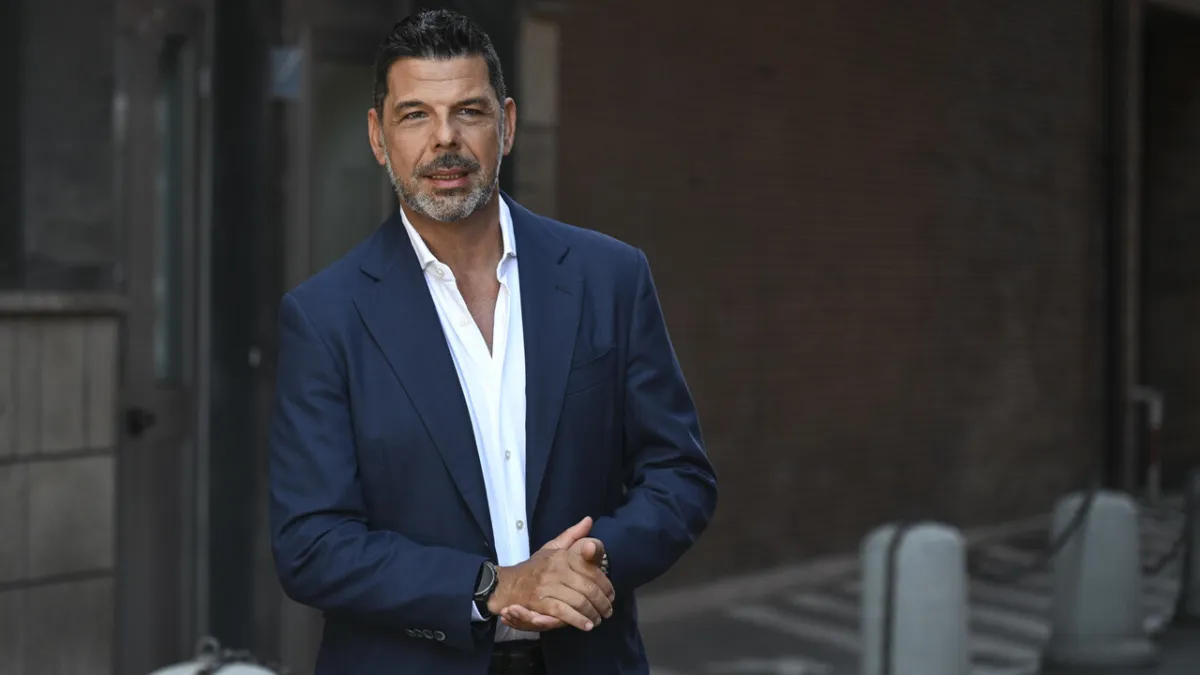
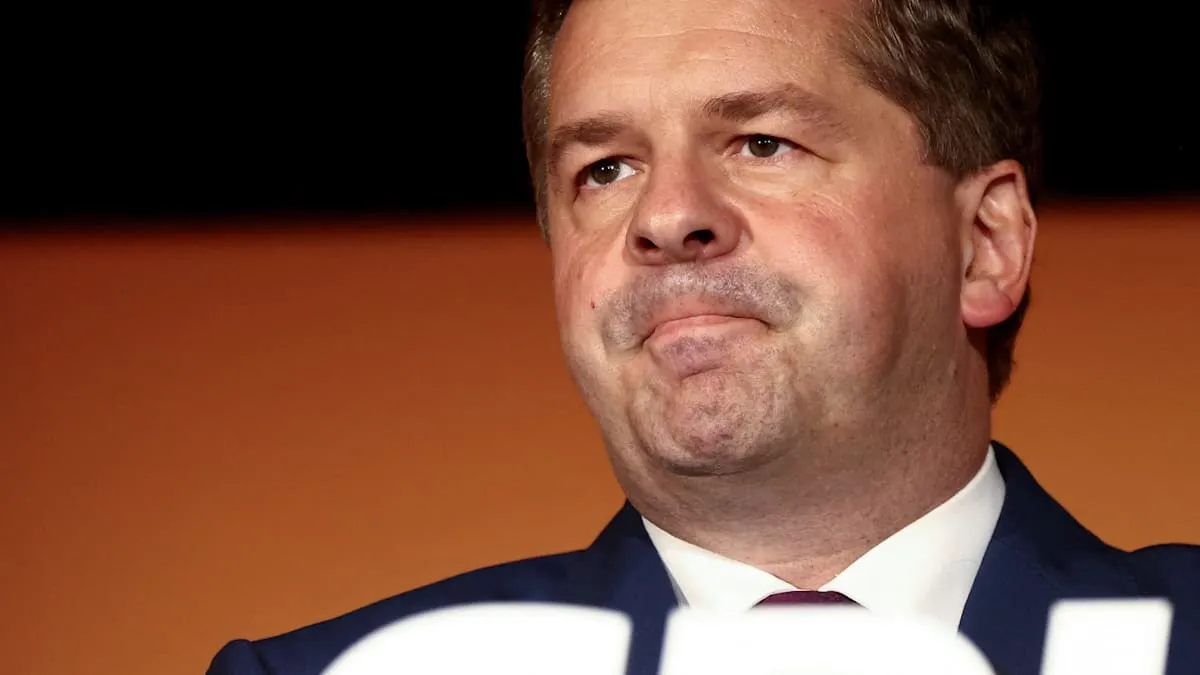
ROME – A startling incident rattled the headquarters of Italy's national television broadcaster, Rai, on Via Teulada, when popular presenter Salvo Sottile became the target of a verbal assault from reporters of the investigative program Report. This confrontation, involving two Report journalists, Iovene and Bertazzoni, occurred after Sottile posted several statements on social media regarding the 'Ranucci case,' sparking escalating tensions within the national media landscape.
The event unfolded during a seemingly ordinary workday at the Rai complex, but quickly devolved into a heated argument witnessed by several other staff members. Sottile, known for his direct presenting style, was allegedly targeted by the Report team's anger over his criticism of Sigfrido Ranucci, the head of the investigative program, or one of its sensitive coverages.
The 'Ranucci case' refers to a series of controversial investigative reports aired by Report under Ranucci's leadership, often touching on sensitive issues of corruption, power, and political intrigue. These reports, while widely praised for their courage, have also frequently drawn criticism and intense debate.
Sottile, through his social media accounts, is believed to have expressed differing views or even criticized Report's investigative methods in that specific case. These posts apparently ignited the emotions of Iovene and Bertazzoni, who then decided to confront Sottile directly in a public area of the office.
Eyewitnesses described a tense atmosphere, with Iovene and Bertazzoni aggressively accusing Sottile of his 'provocative postings.' They asserted that the journalistic integrity of Report must be respected and cannot be undermined by what they deemed disparaging comments.
This incident immediately became a hot topic within Rai's internal circles, raising questions about the boundaries of criticism among colleagues and the importance of maintaining ethical communication, even amidst differing journalistic viewpoints. The internal debate at Rai regarding this continues.
Many parties have called for Rai's top management to intervene immediately to mediate this conflict. Such a situation could damage the reputation of a public broadcasting institution that should serve as an example of professionalism and freedom of expression.
This incident on Via Teulada is more than just a personal squabble. It reflects the tense dynamics behind the scenes of the high-pressure world of investigative journalism, where every criticism can be perceived as an attack on a team's credibility and hard work.
Freedom of expression is a pillar of democracy, but it must be accompanied by responsibility and respect for fellow professionals. Moreover, when conflicts occur within the same media institution, the impact can be widespread and damage the public image.
This situation also highlights the role of social media as a new arena for expressing views, as well as a trigger for conflict among individuals. The line between constructive criticism and provocation often becomes blurred on digital platforms.
Rai's board of directors is expected to issue an official statement explaining their steps in resolving this dispute, while also reaffirming the institution's commitment to high journalistic ethical standards for all its employees.
Editorial Insight: The verbal confrontation incident at Rai highlights the fragility of internal relations within large media organizations when disagreements over investigative coverage escalate. This is not just about ego, but also about the interpretation of journalistic responsibility and the impact of every publication. The handling of this case will be a test for Rai's management in maintaining professionalism and preventing further polarization among its journalists. A lack of transparent resolution could set a damaging precedent for the working environment and press freedom in the future.