 Stefani Rindus
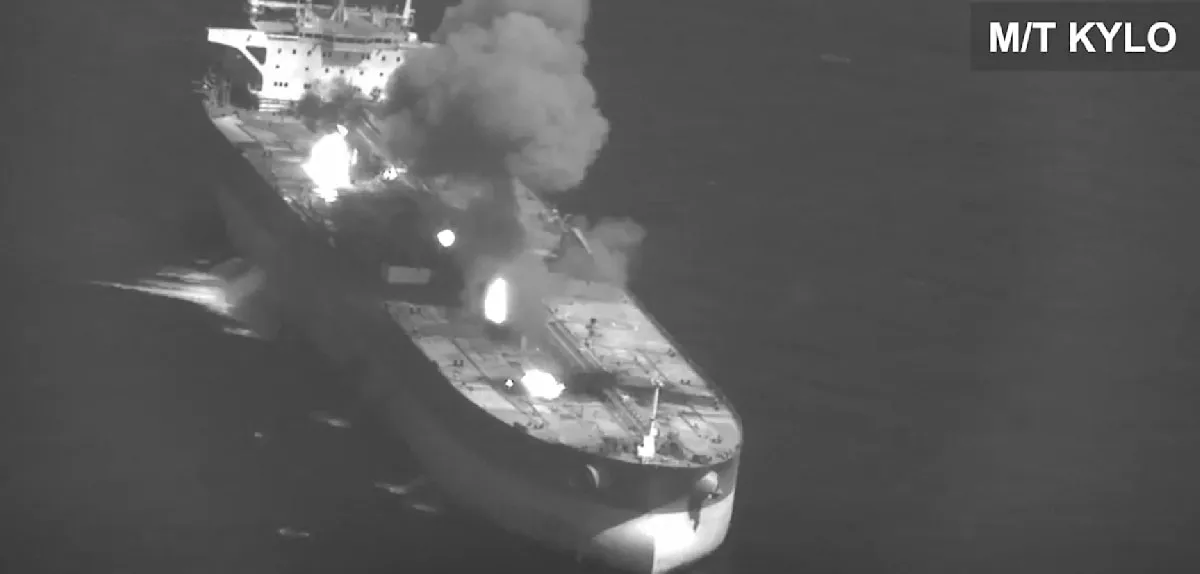
TEHRAN – Geopolitical tensions in the Persian Gulf peaked after the United States Navy launched a retaliatory strike against the Iranian oil tanker, M/T Kylo, resulting in the vessel's sinking. This critical incident followed previous provocations by Iran's Revolutionary Guard, which fired ballistic missiles at two US warships. The United States Central Command (Centcom) released video footage vividly showing the moments the Iranian-flagged tanker foundered, marking a significant escalation in maritime conflict.
Iran's ballistic missile attack on US military assets in international waters triggered a strong response from Washington. The US military stated its actions were defensive and proportional, aimed at protecting its interests and personnel in the region. These ballistic missile launches had previously heightened international alert regarding potential destabilization in one of the world's most critical shipping lanes.
According to Centcom reports, the strike targeting the M/T Kylo was part of a planned operation following intolerable aggression. The released video depicted the tanker ablaze before slowly sinking to the seabed, providing tangible visual evidence of the confrontation's intensity.
A spokesperson for the US Department of State, who remained unnamed, affirmed, 'We will not allow attacks on our warships to go without a firm response. Iran must understand the consequences of any provocative actions in international waters.' This statement reflects the resolute stance of President Donald Trump's administration against regional threats.
The conflict between the US and Iran is not new to the Persian Gulf. This region has long been an arena of geopolitical rivalry, particularly concerning control over global oil supply routes. This latest escalation exacerbates an already fragile situation, given the long history of maritime incidents and threats to commercial vessel navigation.
The US retaliatory strike against the Iranian oil tanker carries serious implications for Tehran's economy, which heavily relies on oil exports. Targeting tankers like the M/T Kylo directly impacts Iran's ability to distribute its vital commodities, potentially triggering internal economic pressure.
Conversely, Iran's Revolutionary Guard maintains that its actions were a response to what it perceives as the threatening presence of the US military, infringing on Iran's sovereignty. An official statement from Tehran called the sinking of the M/T Kylo a 'blatant violation of international law' and vowed appropriate retaliation.
The international community swiftly expressed deep concern over this escalation. The United Nations Secretary-General called on both parties to exercise restraint and return to diplomatic channels to avoid a larger-scale conflict that could disrupt regional and global peace and stability.
Military observers and geopolitical analysts highlight this incident as a turning point in US-Iran relations dynamics. Professor Hadi Susanto from the National Defense University stated, 'The direct sinking of a vessel, not merely a raid, indicates a shift in the level of escalation. This is no longer just a proxy war, but a more risky direct confrontation.'
This crisis also echoes similar past tensions, including reports on Tensions Flare: US Hits Three Iranian Tankers Near Kharg, Missiles Launched!, demonstrating a pattern of US military response to Iranian threats to shipping. This pattern suggests Washington will not hesitate to take decisive action against activities deemed to jeopardize maritime security.
The administration of President Prabowo Subianto in Jakarta, through its Ministry of Foreign Affairs, urged all relevant parties to exercise restraint and prioritize dialogue. Indonesia emphasized the importance of maintaining freedom of navigation and maritime security in the Persian Gulf, given the potential impact on the global economy.
In the regional context, other Gulf states such as Saudi Arabia and the United Arab Emirates are likely to heighten their military alert levels. Instability in these strategic waters has the potential to spread into a wider conflict, involving numerous regional and international actors.
The M/T Kylo incident serves as stark evidence of the fragile balance of power in the Persian Gulf. With President Donald Trump back in office, US foreign policy towards Iran tends to be more aggressive, while Tehran also demonstrates determination to maintain its regional influence through the Revolutionary Guard.
Editorial Insight: Escalation of direct naval confrontations between major powers like the US and regional adversaries such as Iran carries immense risks. While US actions are framed as retaliatory, the sinking of a commercial vessel, even if involved in supporting military operations, could be perceived differently on the international stage. The immediate future hinges on diplomatic efforts, or lack thereof, to de-escalate this dangerous maritime chess game before it triggers a broader, unpredictable conflict with global ramifications for energy security.