 Angela Stefani
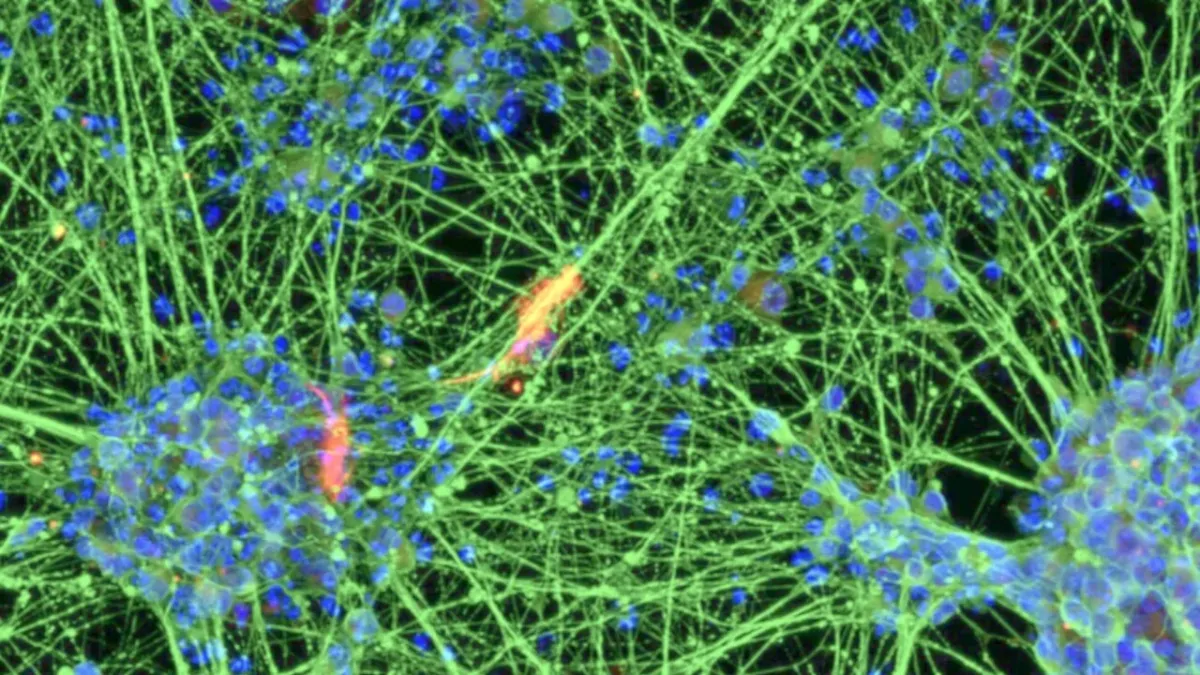
INTERNATIONAL – A groundbreaking scientific discovery has successfully transformed old blood cells into functional young neurons, inaugurating a new era for brain rejuvenation research and the development of neurodegenerative disease therapies. This breakthrough, spearheaded by an international research team, offers an unprecedented model for studying the vital molecular processes behind cellular regeneration.
The study, published in a leading scientific journal, details how specific genetic manipulations in readily accessible blood cells can trigger a rejuvenation program. This transformation not only alters cell morphology but restores their capacity to function as young neurons, including the ability to form synaptic connections.
Scientists explain that this success lies in identifying key molecular pathways controlling cellular plasticity. By reactivating certain genes and suppressing the expression of aging genes, blood cells can be 'coerced' back into a partially pluripotent state before being directed towards neural differentiation.
The implications of this discovery are vast. The neuron models generated from old blood cells allow researchers to directly observe how aging affects nerve cell function at a molecular level. This is crucial for understanding the pathogenesis of complex conditions such as Alzheimer's, Parkinson's, and dementia, which have long remained enigmatic.
We have created a bridge connecting systemic aging with neurological health, stated Dr. Anya Sharma, one of the project leaders from the Global Cell Biology Research Center. With this model, we can test various potential drug compounds and visualize their impact on aging nerve cells in real-time.
Previously, similar research was often hampered by the difficulty of obtaining live human neuron samples from patients with neurological conditions. This technique offers an ethical and practical solution, enabling the development of more personalized and precise therapies.
While the prospects are bright, the journey towards clinical application remains extensive. The next steps involve validating the findings in more complex organism models and ensuring the stability and safety of the rejuvenated neurons before considering human trials.
This discovery represents the culmination of decades of intensive research in epigenetics and stem cell biology. It reinforces the idea that cellular aging is not an irreversible one-way process but can be manipulated through precise molecular interventions.
The global scientific community has welcomed this discovery with optimism. Many see it as a crucial foundation for developing revolutionary prevention and treatment strategies for age-related diseases affecting millions worldwide.
Key challenges ahead include the scalability of this neuron production process for mass research and the development of efficient delivery methods to targeted brain areas without detrimental side effects.
Editorial Insight: The discovery of transforming blood cells into young neurons marks a significant turning point in the fight against neurodegenerative diseases. This is not merely an academic advancement but a potential medical breakthrough that could transform the quality of life for the elderly. However, the publication of these initial research findings must be accompanied by careful education to avoid generating exaggerated expectations of instant 'fountain of youth' pills, as the process still requires extensive validation and development. The primary focus remains on a fundamental understanding of disease mechanisms.