 Robert Andrison

BERLIN — Germany's capital, Berlin, has once again drawn sharp scrutiny following a suspected terror attack in 2026. An in-depth analysis by prominent terrorism expert Rolf Tophofen revealed that the perpetrator acted with meticulous planning, carefully exploiting vulnerabilities within the security system. This assessment simultaneously serves as a serious warning about the escalating threat from the extremist group Islamic State of Iraq and Syria (ISIS) that increasingly looms over Europe.
Tophofen, an internationally recognized expert in counter-terrorism, expressed his conviction that the attack's success was not merely a matter of luck. "The perpetrator worked perfectly. He knew exactly where the weaknesses were," Tophofen stated in his analysis. This statement indicates a high level of operational intelligence from the individual or group behind the tragic incident.
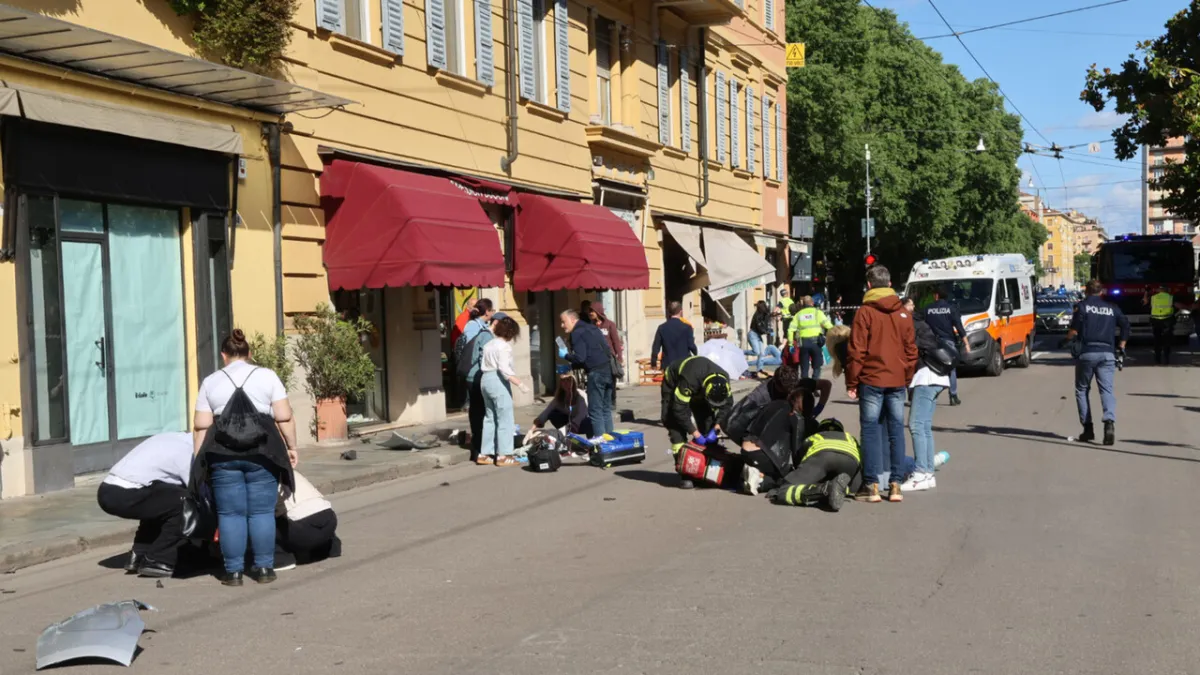
The attack, which is the focus of Tophofen's analysis, occurred amidst an already tense atmosphere, particularly after the tragic incident during the CSD Berlin parade in 2026. The CSD Berlin Parade Ended Tragically: Deadly Minivan Claims Lives! This incident, where a deadly minivan plowed into the crowd, claimed one life and triggered a massive manhunt for the perpetrator. These events highlight the vulnerability of major cities to sporadic terror threats.
The weaknesses Tophofen referred to likely include gaps in surveillance, coordination among security agencies, or even inadequate physical infrastructure to withstand sudden assaults. He emphasized that modern extremists are increasingly adept at identifying and exploiting such vulnerabilities to achieve their objectives.
Furthermore, Tophofen issued a stark warning regarding the growing threat posed by ISIS. Although the group has suffered setbacks in its core territories in the Middle East, its radical ideology continues to spread, inciting acts of terrorism in various parts of the world, including Europe. Sleeper cells or individuals radicalized online pose a significant challenge to law enforcement agencies.
Germany, as one of Europe's major economic powers, consistently remains a potential target for extremist groups. A series of past incidents has proven the country's vulnerability. In response to the CSD 2026 terror, the German government promptly tightened its borders and increased national vigilance, yet the challenge of completely closing every loophole remains complex.
The perpetrator's intelligence in choosing the time and location of the attack also merits emphasis. They tend to target crowded public areas, capitalizing on moments of festivity or large gatherings, such as the deadly minivan incident at CSD Berlin 2026, to maximize psychological impact and casualties.
Tophofen urged security agencies not just to react to incidents but also to be proactive in anticipating new attack patterns. Continuous adaptation of strategies is necessary, including enhanced cyber intelligence, community surveillance, and closer international collaboration.
This analysis aligns with concerns previously voiced by other experts regarding the danger of Islamism looming over Germany. The security of major events like CSD, which symbolize freedom and diversity, has indeed been a primary concern and requires extra protection.
The threat of terrorism is a common enemy that demands a collective response. Citizens are urged to remain vigilant and report suspicious activities to the authorities, while maintaining unity amidst radical groups' attempts to sow division.
Thus, Rolf Tophofen's findings are not merely a post-incident analysis but a critical blueprint for Germany and other nations to strengthen their defenses against an adapting, unseen enemy.