 Angel Doris
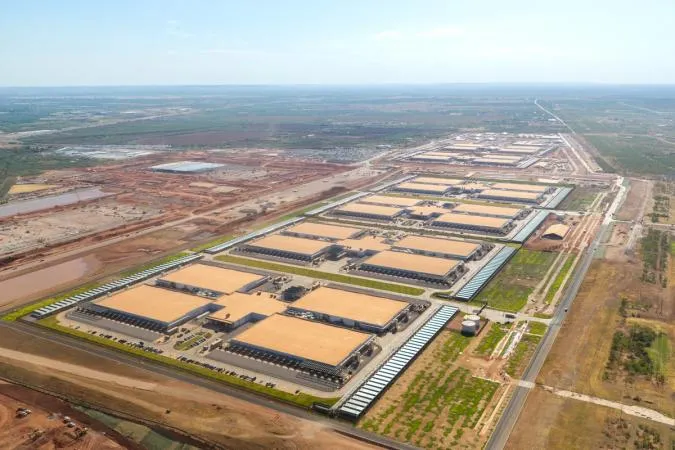
AUSTIN – Wall Street is now closely scrutinizing the future of investment in the artificial intelligence (AI) data center sector in Texas, following the 2026 gubernatorial election results that introduced potential risks from new energy policies and regulations. An industry once projected for rapid growth now faces significant uncertainty, especially for market players pivoting from Bitcoin mining to AI operations.
The shifting political landscape in the Lone Star state has raised major questions regarding power access and construction permits, two crucial pillars for the expansion of intensive computing infrastructure. Investors and developers are now urged to meticulously examine every detail of the regulatory implications that may emerge from the new administration.
Several Bitcoin mining companies that were enthusiastically shifting their focus to AI data centers are now facing doubts. Their reliance on large, stable electricity supplies and the need for swift construction permits are now shadowed by uncertain policies. This could potentially slow down the pace of innovation and investment in one of the most important tech hubs in the United States.
Market observers note that despite the uncertainty, AI data center projects that have already secured initial approvals or are even operational could unexpectedly benefit. Limited new supply due to regulatory hurdles will increase the strategic value of existing facilities, creating a more competitive environment.
This situation is similar to the volatile crypto market dynamics, such as when Bitcoin plummeted after a Democratic victory shook the global market in 2026, or when the crypto market crashed due to a hack and a Democratic win. Investor sentiment is highly sensitive to political shifts.
The victory of a particular party in the 2026 Texas election, which some analyses predicted as a historic Democratic win, directly impacts energy and environmental policies. This affects how the state will manage vital resources for high-tech growth.
Some energy policy proposals introduced during the campaign pledged to prioritize renewable energy or, conversely, tighten regulations on fossil fuel use. These changes directly affect the operational costs and feasibility of energy-intensive AI data center projects.
Construction permits also present a critical point. A stricter or slower permitting process can delay the construction of new facilities for months, or even years. This is not only an issue for investors but also for the AI industry as a whole, which requires massive computing capacity to continue evolving.
Nevertheless, veterans in the tech and financial industries see opportunities within this volatility. Those with capital and patience might find more attractive acquisition prices for land or facilities whose development has been stalled by the new regulatory climate.
This condition also fuels speculation regarding the role of major players like Elon Musk, who previously proposed space-based data centers, against the potential threat of AI policies in a Democrat-dominated U.S. How tech giants adapt to local regulations will be key to their sustainability.
Moving forward, AI data center developers must become more adaptive and proactive in understanding and interacting with policymakers. Strategic partnerships with local entities and community stakeholders may become crucial to ensure smooth project execution amidst political turbulence.
This political situation in Texas highlights how local dynamics can have a global impact on the technology industry. Decisions made in one state can affect supply chains, service availability, and the direction of trillions of dollars in AI sector investments.
Editorial Insight:
This phenomenon underscores that the technology sector, no matter how innovative, cannot be isolated from political and regulatory upheavals. Moving forward, AI data center investors and developers must become smarter in mitigating non-market risks. Regulatory stability and clear energy access will be primary determinants for the success of these high-capitalization projects, necessitating constructive dialogue between industry and government to achieve a balance between innovation and sustainability.