 Dodi Irawan

ROME — A surprising new cultural trend named “Nonna Maxxing” has swept across Generation Z (Gen Z) worldwide in 2026. This phenomenon indicates a significant shift in values, where young people are now seeking inspiration and life guidance from the traditional wisdom of Italian grandmothers. They are embracing a more authentic, sustainable, and meaningful lifestyle, far removed from the digital hustle.
What is “Nonna Maxxing”? The term refers to the adoption of values, practices, and aesthetics associated with Italian grandmothers, such as cooking homemade dishes from inherited recipes, tending small gardens, mending or making their own clothes, and prioritizing quality time with family. Gen Z finds peace and relevance in this simple yet rich way of life.
This shift was first identified through popular social media platforms like TikTok and Instagram, where “Nonna Maxxing” themed videos and posts garnered millions of views. Content featuring handmade pasta recipes, home gardening tips, or simply warm moments of togetherness with grandmother figures, went viral and sparked a wave of global participation.
Sociologists and cultural trend observers view “Nonna Maxxing” as a response to the disorientation felt by Gen Z due to excessive digital exposure and consumerism. “There is a longing for authenticity, real connection, and strong foundations. Italian grandmothers, with their traditions and wisdom, offer a powerful emotional anchor,” stated Dr. Sofia Moretti, a cultural sociologist from the University of Bologna, in an interview.
This generation, which grew up with touchscreens and instant information, is finding peace in slow and meaningful processes. They are beginning to understand the value of food made with love, clothes that are mended rather than discarded, and time spent building deep interpersonal relationships.
More than just a fleeting trend, “Nonna Maxxing” also implies a shift towards sustainability and anti-consumerism. Many adherents are aware of the environmental impact of fast-paced lifestyles and are beginning to practice a circular economy akin to their ancestors, where everything is valued and utilized to its maximum extent.
Traditional skills once considered outdated, such as baking bread from scratch, preserving food, or knitting, are now experiencing a resurgence in popularity. Various online courses and in-person workshops teaching these skills are increasingly attended, proving Gen Z’s interest in practical knowledge from previous generations.
In Milan, some cafes and restaurants have even started offering a “Nonna’s Table” menu, serving authentic dishes prepared with family recipes. This concept not only attracts tourists but also becomes a gathering place for Gen Z who want to experience the homey atmosphere and traditional Italian warmth.
“It’s not just about the food, but about the philosophy behind it: patience, appreciation for ingredients, and the joy of sharing. These values resonate strongly with Gen Z’s hunger for meaning,” Moretti added, highlighting the ethical dimension of this phenomenon.
This “Nonna Maxxing” phenomenon affirms that in a rapidly changing modern era, the wisdom and simple lifestyle of the past still hold a strong appeal. It is a reminder that human connection, tradition, and sustainability are timeless values that transcend generations, ready to be rediscovered by the next generation.
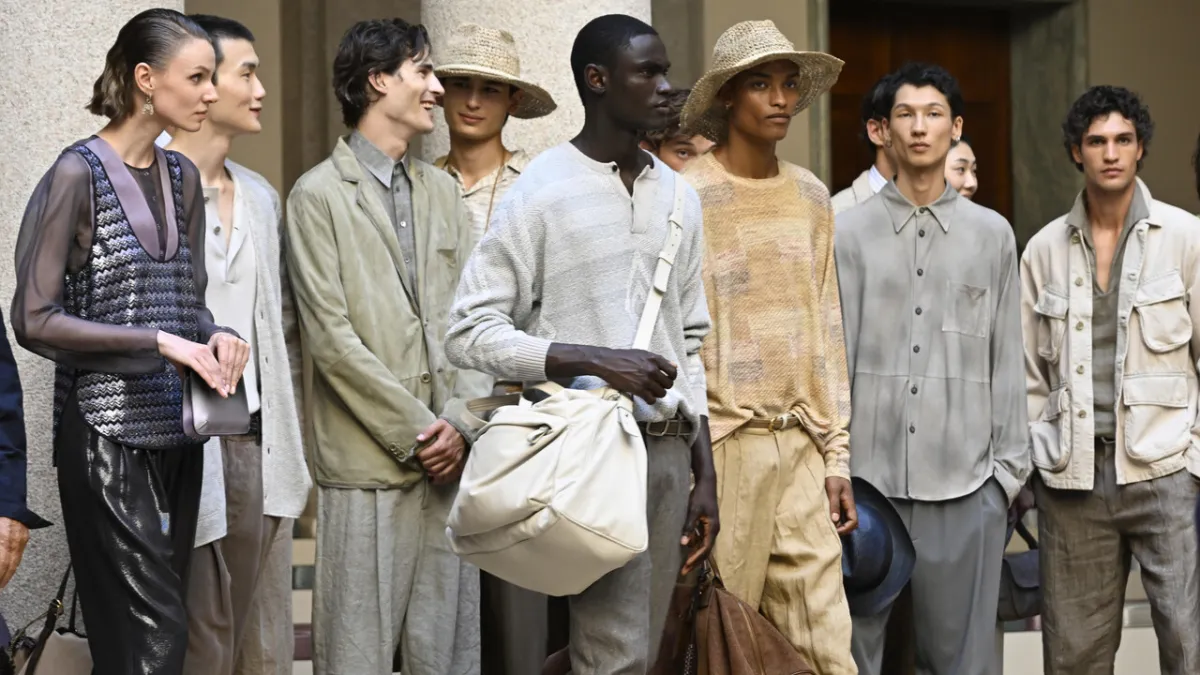
As proof of this cultural force, even some renowned fashion brands have begun to launch collections inspired by the “nonna chic” style, combining comfort and elegance with a touch of nostalgia. This demonstrates that the aesthetics associated with Italian grandmothers are now respected and followed as style icons.
Thus, “Nonna Maxxing” is more than just a fashion trend or a seasonal hobby. It is a manifestation of Gen Z’s search for identity amidst a constantly changing world, a movement that celebrates local wisdom and re-establishes fundamental human values in 2026 and beyond.