 Debby Wijaya
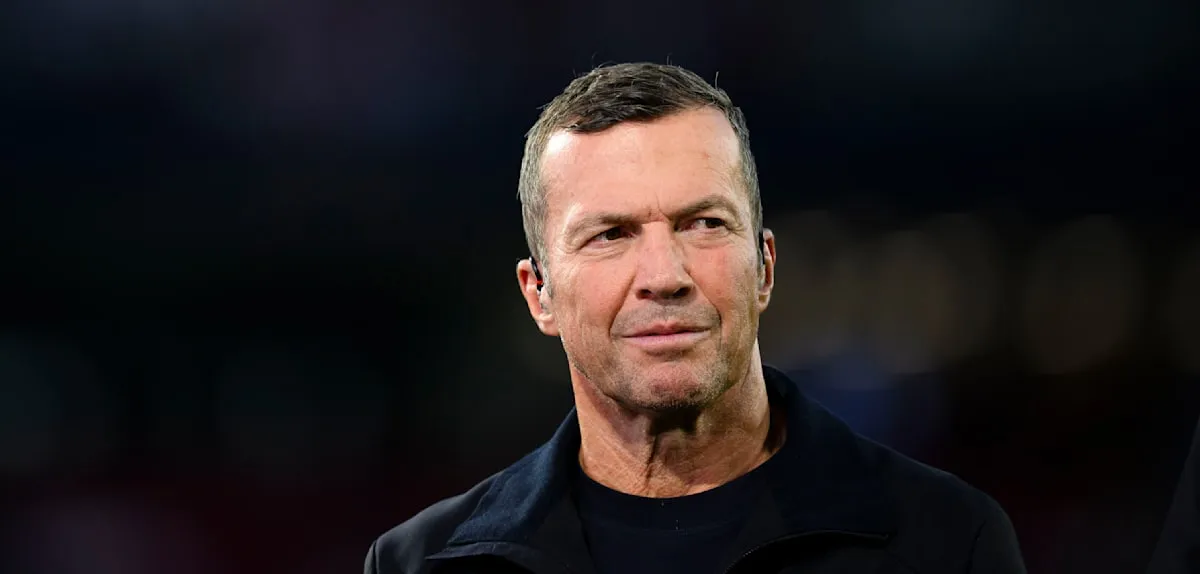
BERLIN — German football legend, Lothar Matthäus, has launched scathing criticism at the state of national football following the disaster at the 2026 World Cup. He asserted that Julian Nagelsmann's dismissal from the national team coaching position and the talk of appointing Jürgen Klopp as a “savior” are merely superficial solutions. The core issue, according to Matthäus, lies in the loss of young German talents who choose to pursue careers abroad or do not receive optimal development domestically.
Matthäus, one of the most respected figures in German football history, called for fundamental reforms within the German Football Association (DFB) structure. “We are losing too many valuable talents to other nations,” Matthäus stated in an interview that sparked fierce debate nationwide. This statement directly highlights a systematic failure to retain and develop the potential of young players.
This crisis is not merely a poor performance in one tournament but an accumulation of deep-seated issues. The DFB is deemed to have failed in creating a conducive environment for talent development from an early age to the professional level. Many gifted young players opt for other leagues that offer brighter prospects and more structured development systems.
Although Jürgen Klopp's name is often mentioned as a new hope to revive Der Panzer, Matthäus is pessimistic that a coaching change alone can resolve the problems. “Klopp might be a genius, but if the underlying structure is fragile, even he cannot do much,” he emphasized. This highlights that the problem runs far deeper than mere tactics or on-field strategy.
Matthäus's view aligns with several football observers who perceive a stagnation in youth development in Germany. The talent development programs that once formed the backbone of German strength are now questioned for their effectiveness. Too much focus on immediate results often sacrifices a long-term vision.
The former German national team captain suggested that the DFB should learn from other federations successful in developing young players, such as France or the Netherlands. They possess integrated academy models and clear career pathways for young players. “We need to observe how they do it and adapt it to the identity of German football,” Matthäus added.
The issue of talent drain is also closely related to adapting to modern playing styles. German football, known for its discipline and physical prowess, is now required to be more flexible and creative. Young players must be equipped with technical and tactical abilities relevant to global football developments.
The DFB itself is under immense pressure to find concrete solutions promptly. After successive failures in major tournaments, the German public demands transparency and tangible actions. The reform discourse previously hinted at by Jürgen Klopp as a condition for coaching the national team is now increasingly relevant.
Mixed reactions have emerged from various parties, including DFB officials and Bundesliga clubs. Some support Matthäus's views, acknowledging fundamental weaknesses, while others feel the criticism is too harsh or does not consider efforts already made. Nevertheless, no one can deny that the future of German football is at stake.
Lothar Matthäus hopes the DFB can use his criticism as an impetus for positive change, not as a personal attack. He believes that with strong political will and cooperation from all elements of football, Germany can return to its glorious peak. “This is a crucial moment for the future of our football,” he concluded. Discussions regarding Klopp's revolutionary plans are also heating up amid these demands for change.
The 2026 World Cup serves as a mirror reflecting the urgency of this issue. Results far below expectations are not just defeats on the field, but also a stern warning signal for the entire system of football development and management in Germany. Without significant changes, the next generation of talents may continue to be lost, threatening Germany's supremacy on the international stage.