 Robert Andrison
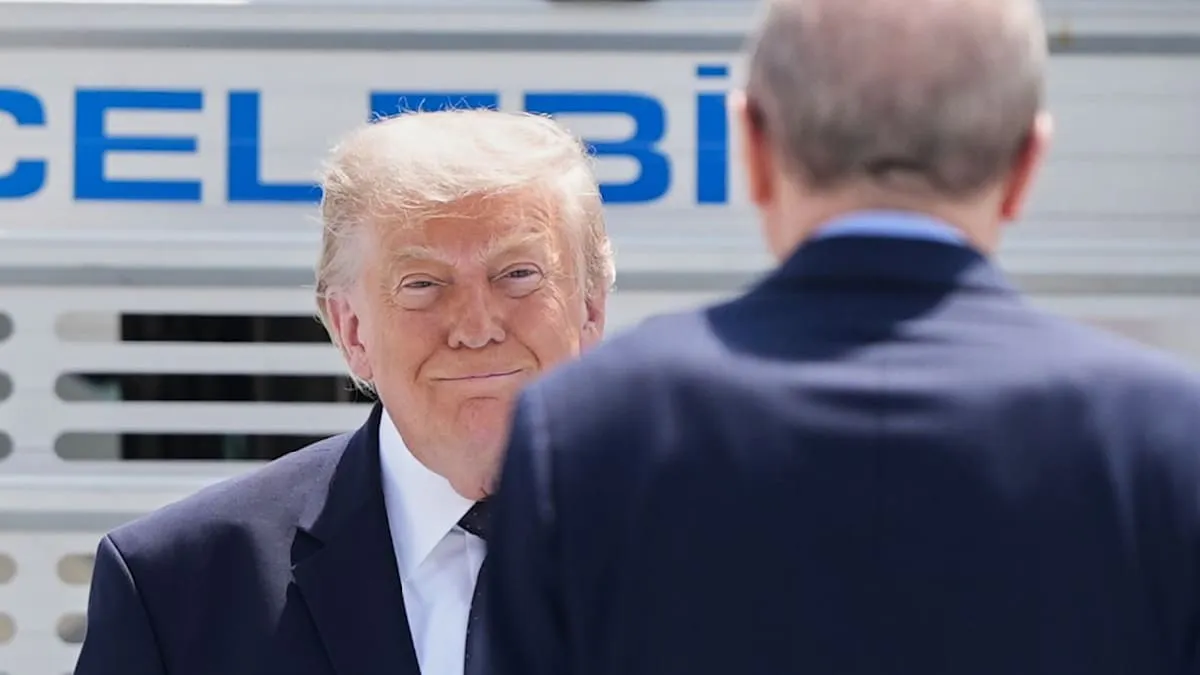
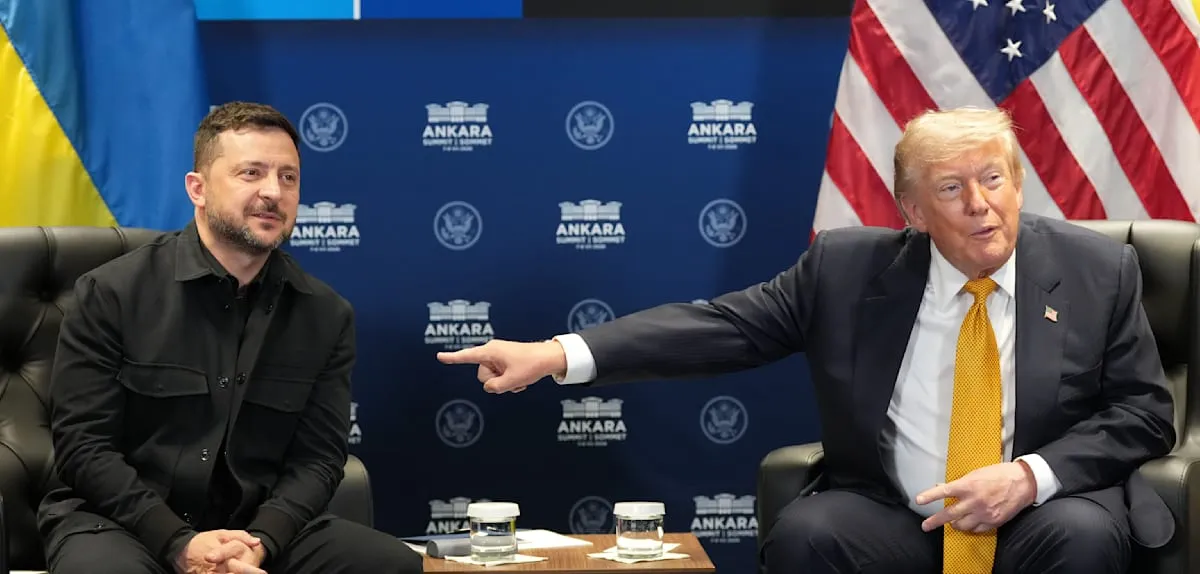
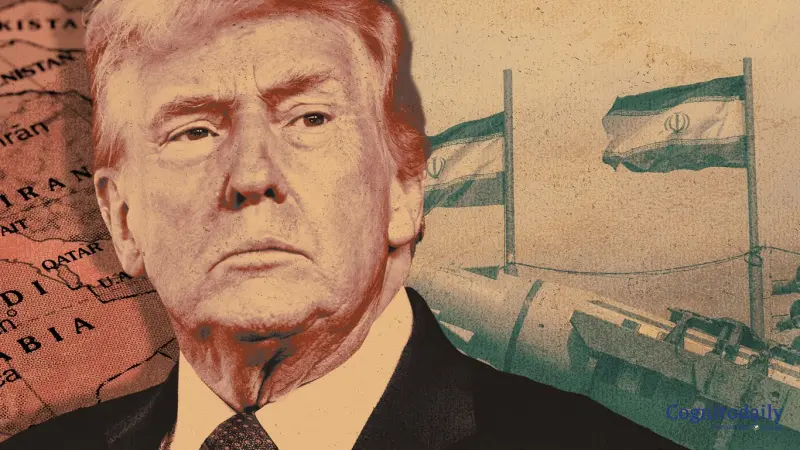
Ankara — Tensions loom over the NATO Summit in Ankara, Turkey, in 2026, following urgent calls from former United States President, Donald Trump, for European member states to increase their defense spending and prioritize purchasing weaponry from the United States. These demands have sparked deep concerns regarding the stability and future direction of the transatlantic alliance, especially after a security policy expert warned Europe not to become overly fixated on trying to please Trump.
Trump's calls, known for his 'America First' approach, once again take center stage. He has repeatedly asserted that many NATO member countries have not met the defense spending target of 2% of their Gross Domestic Product (GDP), a commitment agreed upon by all members.
These harsh criticisms, often voiced by Trump since his presidency, create a strategic dilemma for Europe. These demands are not merely a financial issue but also touch upon the core of burden-sharing and collective solidarity within the alliance.
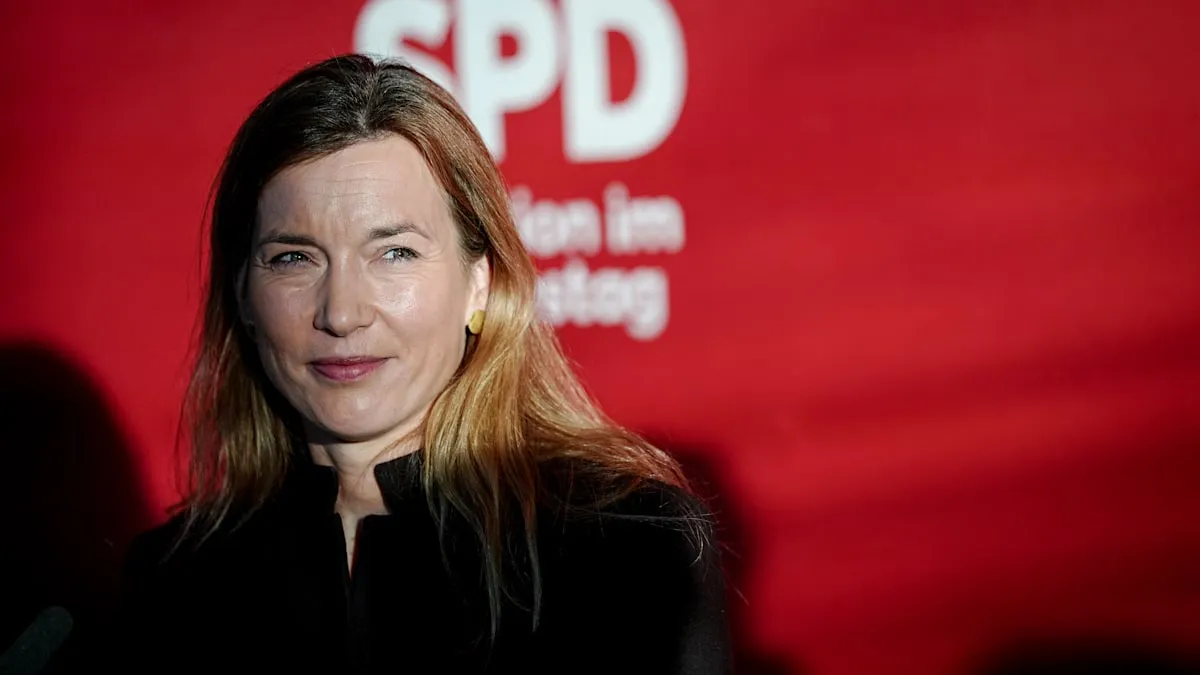
Aylin Matlé, a prominent expert in security policy and a researcher from a Berlin Think Tank, emphasized that Europe should not over-focus on satisfying Donald Trump. “Europe needs to develop an independent, long-term defense and security strategy, regardless of the internal political dynamics of the United States,” Matlé stated.
Matlé also added that too much focus on one individual's views risks obscuring a broader and more vital strategic vision for the continent's own security, and overlooks more complex global threats such as the potential escalation of conflict in the Middle East after US military attacks on Iran triggered threats of Tehran's retaliation in 2026.
This NATO Summit in Ankara serves as a crucial forum for discussing evolving global security challenges, from cyber threats to geopolitical tensions in Eastern Europe. Amidst all this, friction over burden-sharing remains a primary obstacle.
The issue of defense spending has been a recurring stumbling block in transatlantic relations. Although many European countries have increased their defense budgets in recent years, the set targets are still difficult for most members to fully achieve.
Some analysts argue that Trump's harsh rhetoric is actually aimed at strengthening the alliance by encouraging members to take greater responsibility for collective security. However, the methods used often cause turmoil and uncertainty.
European leaders face a complex task: balancing US demands with their domestic defense needs and economic capacities. The fundamental question is how to maintain NATO's cohesion amidst significant political pressure.
There are concerns that if Trump's demands are not met, it could affect the United States' commitment to NATO's Article 5, the collective defense clause that forms the alliance's cornerstone. These concerns were raised by many when Trump was president, and resurface again in 2026. Previously, Trump had also openly criticized several NATO countries, including Italy, for their contributions.
Alliance solidarity is not just about the amount of money spent, but also about unity of purpose and willingness to act together against threats. The real challenge is to rebuild trust and strengthen the foundations of cooperation that sometimes falter.
Some European countries, such as Germany and France, have taken significant steps in increasing their defense investments, realizing the importance of independent capabilities. However, these steps are often criticized as being too late or insufficient.
The Ankara 2026 Summit is expected to yield a strong consensus on NATO's strategic direction. Open and constructive dialogue is key to overcoming differences in views and ensuring the alliance remains relevant and effective amid a rapidly changing geopolitical landscape.
Europe must be able to demonstrate a real commitment to common defense without feeling pressured to merely “please” a particular political figure. NATO's future depends on its members' ability to adapt, invest, and act cohesively.
The debate taking place in Ankara once again highlights the need for visionary leadership and smart diplomacy from all parties to maintain NATO's integrity and effectiveness in this new era.