 Chandra Wijayanto
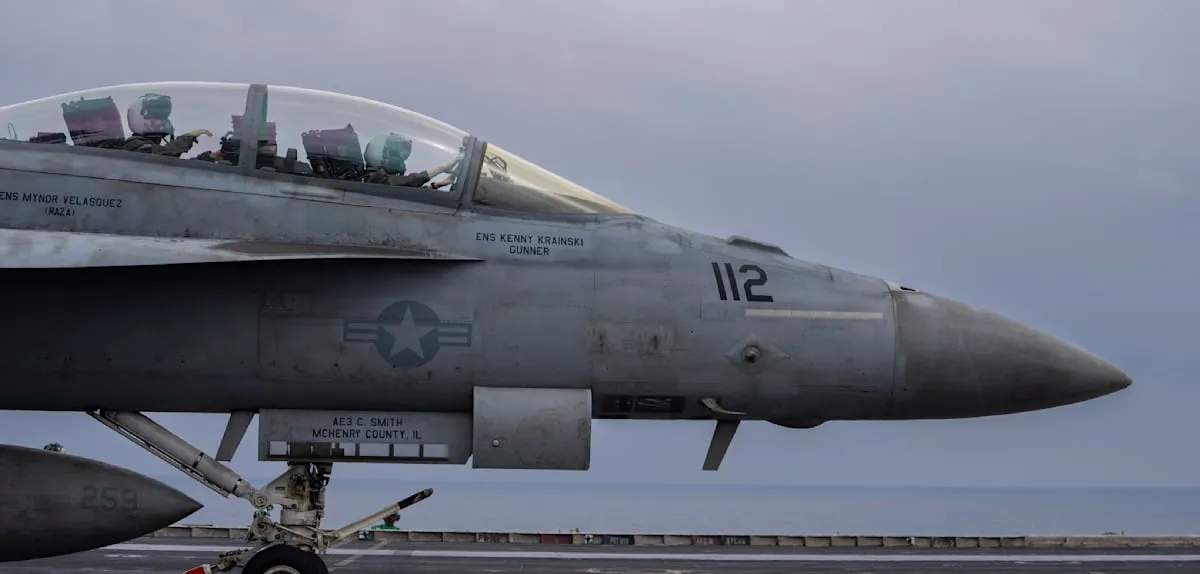
Washington—Geopolitical tensions in the Middle East reached a new boiling point following a wave of U.S. airstrikes targeting 90 locations in Iran in early 2026. The incidents triggered emergency alarms in the Gulf nations of Kuwait and Bahrain, while U.S. President Donald Trump declared the actions as a harsh retaliatory response to prior aggressions.
This move marks a significant escalation in the long-strained U.S.-Iran relationship, sparking global concerns about a potential wider conflict in one of the world's most strategic regions. The targets of the attacks included military installations, weapons storage facilities, and command centers that the Pentagon asserts are linked to Iran's destabilizing activities.
President Trump, in his official statement from the White House, affirmed that the strikes were a proportionate act of retaliation. "These were necessary retaliatory actions to protect our interests and those of our allies in the region," Trump stated, while adding that Tehran still showed interest in a peace agreement. This statement contrasts with the aggressive rhetoric that often characterizes the relationship between the two nations.
Iran's response was equally defiant. Iran's Chief Negotiator, [Fictional Name of Iran's Chief Negotiator in 2026], immediately retorted with a threatening tone. "Whoever attacks will be attacked in return. This aggression will not go without consequences," he asserted, hinting at potential retaliation that could further worsen regional security.
Concurrently with the attacks in Iran, warning sirens reportedly wailed in major cities in Kuwait and Bahrain. Residents in both countries were gripped by panic, seeking shelter amidst fears of retaliatory strikes or spillover from the conflict. Local governments have issued appeals to their citizens to remain vigilant and follow security protocols.
The security situation in the Gulf region, particularly the Strait of Hormuz, is a primary concern. The threat of Iran closing this vital shipping lane, as previously suggested in past escalations, could trigger a severe global energy crisis. The international community is urging all parties to exercise restraint. Readers can review similar past situations that have threatened this crucial trade route.
Geopolitical analysts from various international institutions state that these attacks, regardless of U.S. justification, have the potential to open a new chapter in regional conflict. Dr. Lena Petrova, an international relations expert from the University of London, commented, "The dual rhetoric from Washington, claiming interest in a deal while simultaneously launching major attacks, will only complicate diplomatic efforts."
Economic impacts, especially on global crude oil prices, are also a serious concern. Commodity markets showed high volatility after news of the attacks broke. Fears of supply disruptions from the Middle East have triggered significant price increases. This phenomenon is reminiscent of threats of global oil price hikes that often occur amidst political uncertainty.
In the political arena, President Trump's foreign policy continues to be a central debate. Criticism has come from several European countries calling for diplomatic rather than militaristic approaches. This policy is also part of a larger picture regarding Trump's political direction to distance from Europe, as analyzed by experts in 2026.
Nevertheless, the White House insists that the top priority is to ensure the security of U.S. personnel and its regional allies. A spokesperson for the U.S. State Department affirmed that the door to diplomacy remains open, but Iran must cease their "provocations."
This situation demands a careful response from the international community to prevent further escalation. Mediation efforts from the UN and neutral countries are hoped to be initiated promptly to de-escalate tensions and seek a lasting peaceful resolution, before the flames of conflict grow and spread throughout the region.
With 90 Iranian targets now destroyed and warning sirens still echoing across the Gulf, a big question remains: will this U.S. move be a deterrent or a trigger for a larger war in the Middle East in 2026.