 Stefani Rindus
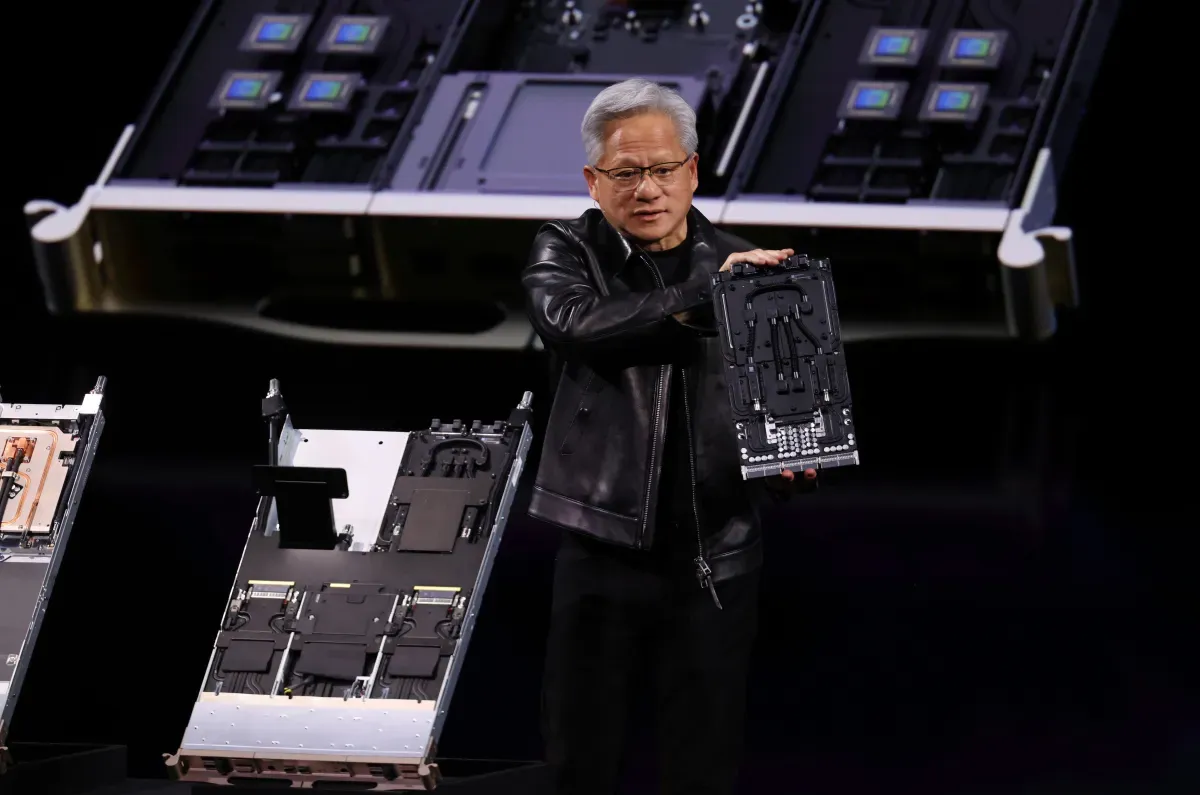
BEIJING – A recent research report has sent shockwaves through the global technology landscape, revealing that China's most advanced artificial intelligence (AI) models were developed using Nvidia chips that are ostensibly subject to US export bans. This discovery has ignited serious concerns among regulators and semiconductor manufacturers, highlighting potential loopholes in technology restrictions and profound geopolitical implications in 2026.
The United States government, under the leadership of President Donald Trump, imposed export bans on advanced chips to China with the aim of hindering Beijing's progress in military technology and AI. These regulations specifically target high-performance graphics processing units (GPUs) from companies like Nvidia, which serve as the backbone for developing supercomputers and cutting-edge AI models.
The recently published research by a prominent independent research institute highlighted training data from various leading Chinese AI models. Forensic analysis of the metadata and performance of these models consistently showed traces of Nvidia GPU usage, particularly from series on the export blacklist. This raises significant questions regarding the effectiveness of Washington's restriction policies.
Experts suspect China may have acquired these chips through various channels. The global black market, modification of previously permitted chips, or even through intermediary entities in third countries, are the primary speculations. This incident recalls past controversies, such as those mentioned in the article Trump Telepon Huang: Kekisruhan Mata-mata Nvidia Guncang Kongres AS 2026, indicating serious gaps in the supply chain.
This revelation is expected to further strain diplomatic and economic relations between Washington and Beijing. The United States will likely increase pressure on China and on semiconductor manufacturers to ensure stricter compliance with export regulations. The race for technological dominance, especially in AI, is now intensifying.
Nvidia, as a leading chip manufacturer, now finds itself in a difficult position. CEO Jensen Huang has previously faced intense scrutiny in the US Congress regarding similar issues. The article Skandal Mata-mata Guncang Silicon Valley: Mantan CEO Nvidia Dipanggil Kongres AS highlights the sensitivity of this matter. The company must demonstrate it has not intentionally violated export bans or facilitated the acquisition of illegal chips.
In response, the US government could potentially impose tougher sanctions, both on Chinese companies proven to use banned chips and on entities facilitating their procurement. Technology restrictions might be expanded to include other related hardware or software.
Global technology analysts, such as Dr. Elena Petrova, argue that export restrictions alone are insufficient. A multi-dimensional approach involving diplomacy, stricter supply chain oversight, and international collaboration is needed to address existing loopholes.
This development also underscores the urgency for other nations, including South Korea, which has sought to secure Nvidia GPU supplies following CEO Huang's 'departure' as reported in Korea Selatan Amankan Pasokan GPU Nvidia Pasca Mundurnya CEO Huang, to strengthen their domestic AI capabilities. Dominance in AI is seen as key to future economic and military superiority.
In the long term, this incident may push China to accelerate the development of its own indigenous AI chips, reducing reliance on foreign technology. Nevertheless, this transition requires significant time and investment.
The biggest challenge for regulators is how to balance preserving technological innovation and preventing its misuse for purposes contrary to national interests. The effectiveness of sanctions will continue to be tested by the sophistication of illegal technology acquisition networks.
Editorial Insight: The revelation of China's use of banned Nvidia chips marks a critical turning point in the global technology race. This is more than just a regulatory violation; it reflects deep geopolitical tensions and nations' determination to dominate the future AI landscape. Washington must re-evaluate its export restriction strategy, while Beijing will continue to find ways to overcome these obstacles, signaling a new phase in the ongoing technological cold war.