 Chandra Wijayanto
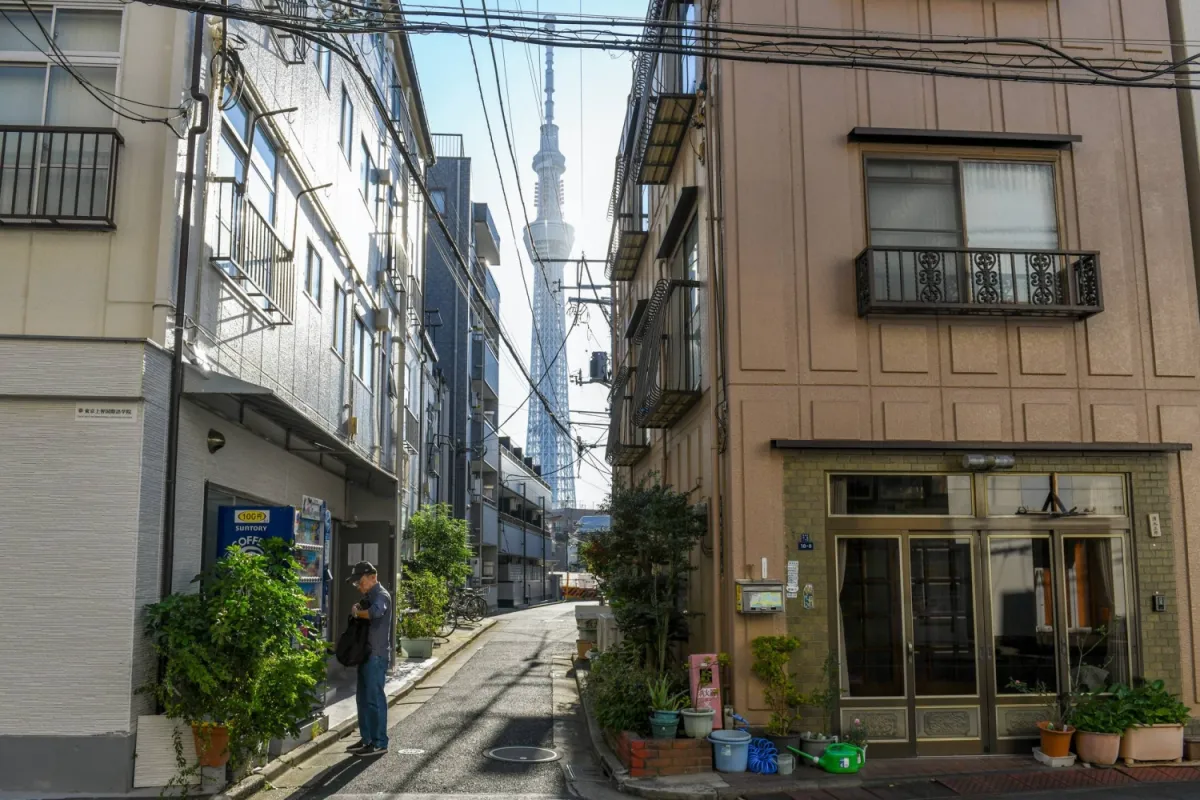
TOKYO – The Japanese capital, Tokyo, is currently undergoing a historic real estate revolution in 2026, marked by a drastic surge in property rental prices. This phenomenon is most acutely felt on the city's east side, an area traditionally known as an industrial hub and working-class residential zone. This transformation is fundamentally altering Tokyo's urban landscape and socioeconomic dynamics.
The rise in rental rates is occurring across Tokyo, but investment fervor and new property developments are explicitly gravitating towards the eastern districts. Areas that were once the heart of manufacturing activity are now transforming into new magnets for investors and residents, triggering rapid demographic and economic shifts.
This rapid development is not without cause. Property analysts identify several driving factors, including government policies supporting infrastructure investment, an influx of foreign capital, and high interest from younger generations seeking modern housing with good accessibility. Tokyo's east side, with its continuously improving transportation networks and relatively greater land availability, has become a prime target for this expansion.
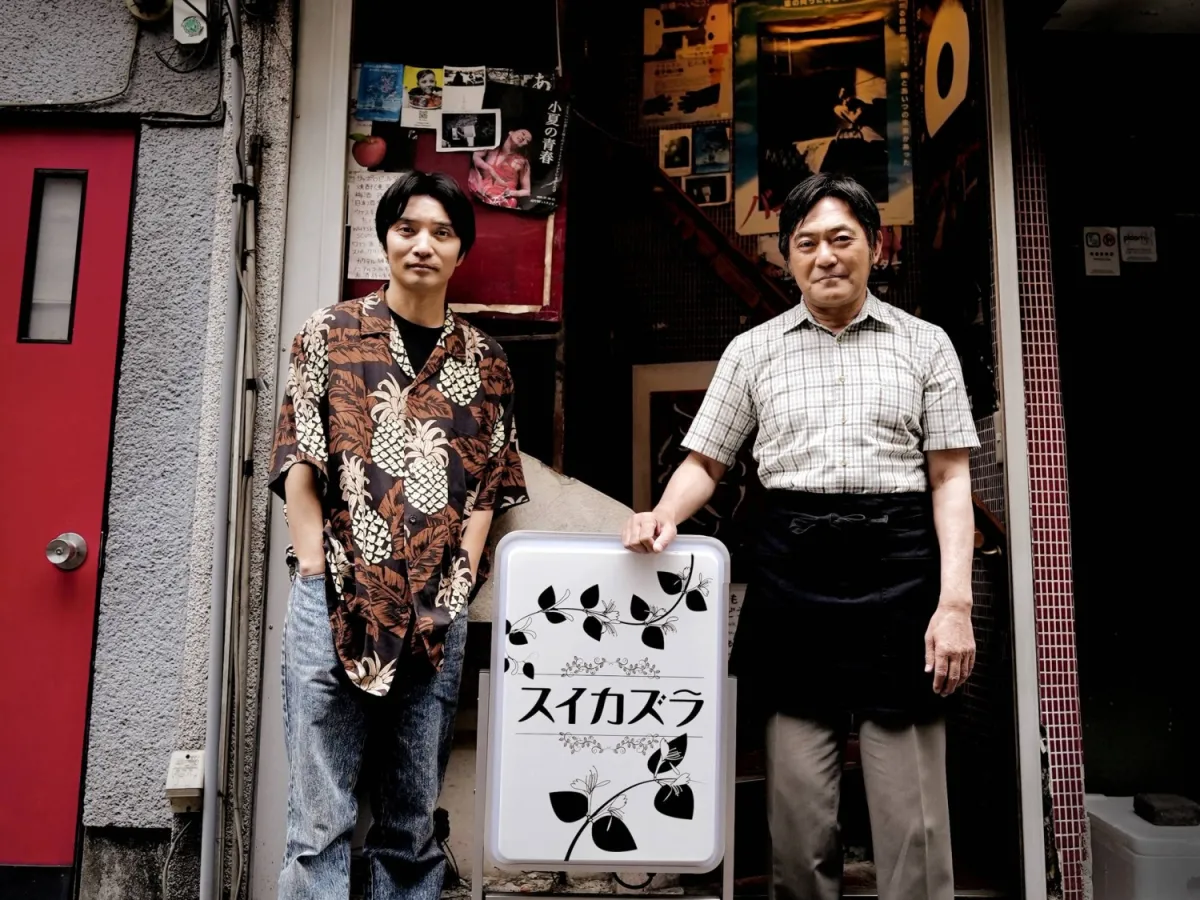
Previously, eastern Tokyo, encompassing districts like Sumida and Koto, was known for its rows of small factories, workshops, and dense residential areas inhabited by laborers. Life there revolved around industry, forming a distinct urban identity from the glittering business centers in the west. Now, the buzz of luxury apartment construction, contemporary shopping malls, and co-working spaces is beginning to dominate.
This shift presents a complex spectrum of challenges and opportunities. For developers and investors, eastern Tokyo is fertile ground for profit. However, for long-established local residents and small businesses, the surge in rental prices and cost of living poses a serious threat. Many families are forced to relocate, seeking more affordable housing in the city's periphery.
The city government faces a significant dilemma: how to balance economic growth with the protection of local communities. Zoning policies and housing subsidies are hotly debated topics in the city council, seeking solutions to mitigate the negative impacts of inevitable gentrification.
The property expansion in eastern Tokyo also reflects global trends of urbanization and the redefinition of urban areas. Many major cities worldwide experience similar phenomena, where old industrial areas are converted into modern residential or commercial districts, as economies evolve from manufacturing to service and technology sectors.
Economic observers predict that this real estate boom will continue throughout 2026, supported by Japan's economic stability and Tokyo's appeal as a global business and cultural hub. Foreign Direct Investment (FDI) in the property sector also shows a significant increase, indicating market confidence in the city's long-term potential.
It is important to note that despite the price increases, Tokyo's property market is still considered stable compared to property bubbles in some other global cities. Strict regulations and a planned development approach help prevent excessive speculation, although pressure on affordability remains a crucial issue.
Major real estate companies such as Mitsui Fudosan and Sumitomo Realty & Development are actively acquiring land and launching ambitious projects in the eastern districts. These projects often involve integrated developments combining residential, retail, and office spaces, creating new ecosystems amidst historically industrial environments.
Demographic changes in eastern Tokyo will also impact the service and retail sectors. With the influx of a new, more affluent population, demand for premium lifestyle services and products is rising, driving the growth of new businesses catering to this market segment. However, this could also threaten the existence of traditional shops unable to compete.
This situation requires an adaptive response from all stakeholders. The government, developers, and the community must collaborate to ensure that the transformation of eastern Tokyo not only benefits a few, but also creates an inclusive and sustainable city for all its inhabitants.
Editorial Insight: The 2026 property boom in eastern Tokyo reflects a broader global economic dynamic where major cities continuously evolve. While there is significant potential for economic gain, the challenges of gentrification and social impact must be seriously anticipated by authorities. Failure to balance growth with community well-being could trigger social tensions and the loss of valuable local cultural identity. Prudent urban planning is key to harnessing these opportunities without sacrificing Tokyo's essence.