 Gabriella
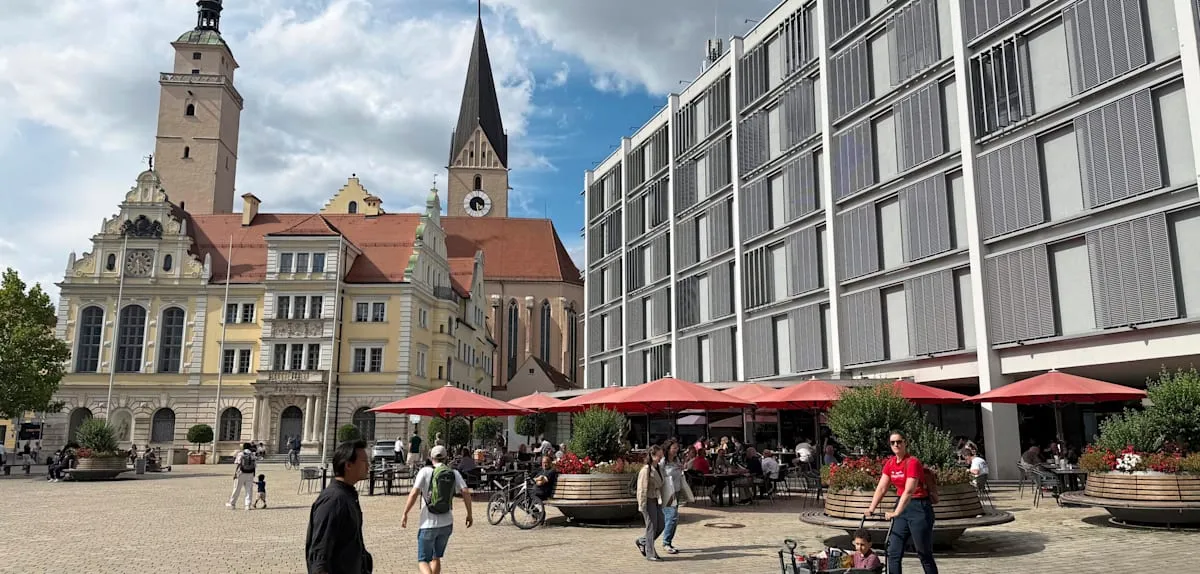
Ingolstadt, a city in Germany once glorious as the headquarters of the automotive manufacturer Audi, is now mired in a severe financial crisis. The city is recorded to have a budget deficit reaching 120 million Euros, a dramatic indicator of profound economic changes. This situation has triggered public concern and prompted the local government to seek solutions amidst the fading shadow of its glory days.
Ingolstadt's prosperity for decades has been inseparable from the dominance of the automotive industry, particularly the presence of the Audi manufacturer. The city was known as a center for innovation and premium vehicle production, attracting significant investment and creating thousands of jobs that supported the local economy. Its population grew, public facilities expanded, and residents' quality of life was above the national average in Germany.
However, the volatile global economic landscape, changing consumer preferences, and the transition towards sustainable mobility have presented significant challenges. Ingolstadt, overly reliant on a single industrial sector, is now feeling the heavy impact of this turbulence. The deficit figure of 120 million Euros is not just a number on paper; it reflects potential cuts in public services, development stagnation, and a threat to social stability.
The Ingolstadt city government acknowledges this situation as a “crisis transformation” that requires comprehensive handling. Mayor Christian Scharpf, who holds office in 2026, has assembled a team of experts to analyze the root causes and formulate a recovery strategy. Key focuses include economic diversification, attracting investment in new sectors, and strict budget efficiency.
Economists and regional policy analysts highlight the need for Ingolstadt to adapt more quickly to new realities. “Sole reliance on the automotive industry, while once a blessing, has now turned into a burden,” said Dr. Stefan Richter, a regional economy expert from the University of Munich. “Ingolstadt must find a new economic identity beyond Audi's shadow.”
This deficit is predicted to directly impact vital infrastructure projects, social programs, and even the education sector. Residents are beginning to voice concerns about the future of employment and the quality of city services. Discussions about possible increases in local taxes or cuts in public subsidies have emerged in various community forums.
The city government's efforts are not limited to the local scale. Dialogue with the state government of Bavaria and the German federal government continues to secure financial support and strategic guidance. Assistance from the central level is expected to alleviate the burden and accelerate Ingolstadt's economic restructuring process.
Ingolstadt's story serves as a mirror for many industrial cities worldwide facing similar pressures. Energy transitions, digitalization, and global pandemics have drastically altered the economic landscape, demanding flexibility and innovation from every local entity to maintain relevance and prosperity.
Despite facing significant challenges, the spirit of the Ingolstadt community to rise remains strong. Various grassroots initiatives are emerging, promoting the development of ecotourism, green tech start-ups, and the revitalization of the city center as a magnet for creative industries. These are collective efforts to build a more resilient economic foundation.
With strong commitment from local leadership, support from the central government, and active community participation, Ingolstadt aspires to emerge from its debt burden and once again assert its position as a prosperous and innovative city. This journey is indeed long and winding, but it is not impossible for a city with a long history of progress to once again inscribe a new chapter of triumph.
Ingolstadt's financial situation also serves as a valuable lesson for other cities in Germany. It highlights the urgency of economic diversification and long-term strategic planning to reduce the risk of dependence on a single sector. The German federal government, through the Ministry of Economy and Climate, has expressed its readiness to support regions undergoing similar structural transformations.
The Ingolstadt debt crisis in 2026 is not merely a local problem, but a broader narrative of economic adaptation in an era of global change. How this city navigates these challenges will serve as an important case study for sustainable urban development in the future.