 Stefani Rindus
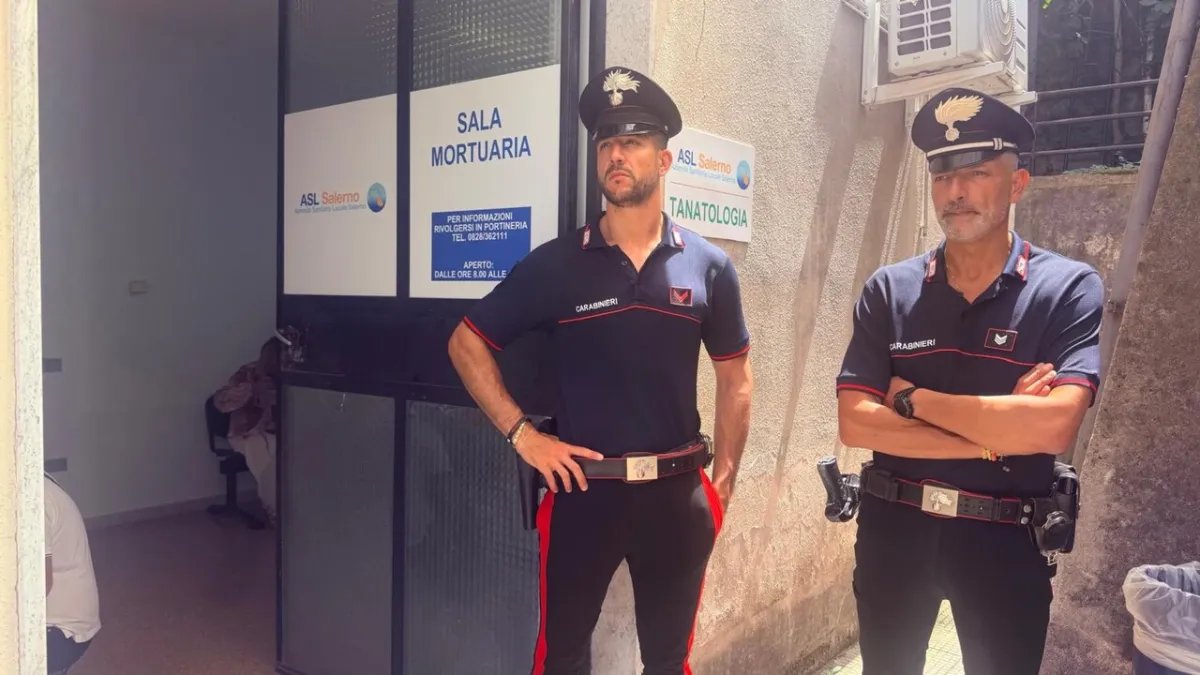
EBOLI — The Carabinieri police in Eboli, Italy, have successfully apprehended an individual strongly suspected of involvement in the tragic death of a journalist found burned to death. This horrifying incident has shaken the press community and the Italian public, triggering an intensive investigation that led to the discovery of the suspect hiding in an abandoned farmhouse.
The discovery of the journalist's unidentified body occurred several days ago in a remote area near Eboli. The completely carbonized condition of the remains complicated initial identification and indicated an extreme level of cruelty in this criminal act.
Police sources revealed that the investigative team worked relentlessly since the report of the body's discovery. Various clues were gathered from the crime scene, including forensic analysis and limited witness statements, to track the perpetrator's movements.
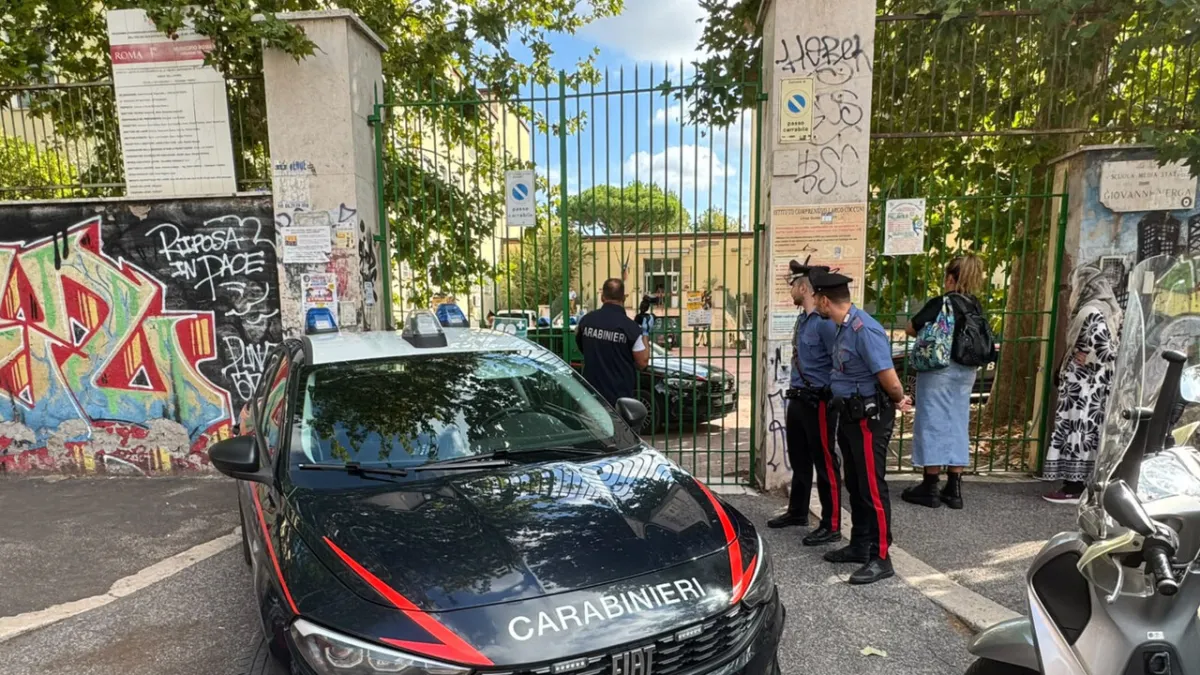
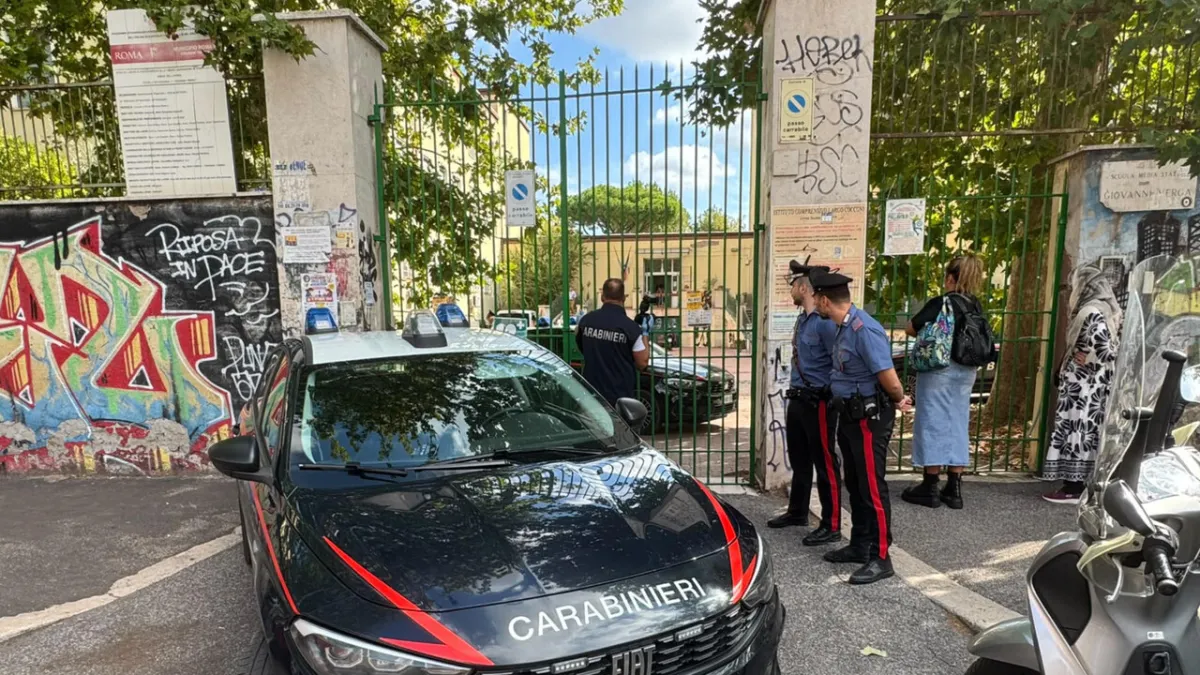
Following a series of investigations and extensive searches, the Carabinieri successfully identified and arrested a man believed to be the main culprit. The arrest took place dramatically when the suspect was found hiding inside a 'casolare', an old, long-abandoned farmhouse.
EBOLI — The casolare that served as the suspect's hiding place is located on the outskirts of Eboli, offering an ideal secluded condition for evasion. Carabinieri officers surrounded the location before making the arrest, ensuring the safety of both the public and their team.
The identities of the journalist and the suspect have not been officially released to the public, in the interest of the ongoing investigation. However, news of this tragedy has spread widely, raising significant questions about the motive behind the brutal murder of a media professional.
The journalistic community across Italy has expressed deep concern over this incident. Many parties are demanding swift justice and full transparency in handling the case. Threats to press freedom and the safety of journalists have become a primary focus.
Although the motive for the murder remains under investigation, some initial speculations have emerged. Early suspicions range from possible personal conflict, professional disputes, to potential retaliation for investigative reports previously written by the victim.
The Carabinieri authorities affirmed their commitment to fully uncover the motive and all parties involved in this heinous crime. They also urged the public not to over-speculate and to fully entrust the legal process to the authorities.
This tragedy adds to a growing list of violent incidents against journalists in various parts of the world, even though Italy is known for having relatively strong legal protections for media workers. It serves as a bitter reminder of the inherent risks in the journalistic profession.
This horrific journalist murder case is not the only serious criminal incident attracting attention in Italy. The year 2026 has also seen various intensive law enforcement efforts, including the implementation of new rules regarding juvenile crime, demonstrating the government's commitment to maintaining public order.
The victim's family, whose identity has not yet been disclosed, is undoubtedly facing profound grief and demanding clarity on what happened to their relative. Moral and psychological support are crucial in dealing with this highly traumatic situation.
The apprehension of the suspect is merely the first step in a long journey toward justice. Legal proceedings will soon commence, involving further investigation, evidence collection, and trial to ensure the perpetrator receives a commensurate punishment.
Italy's Minister of Justice, who in 2026 continues to be committed to strengthening the judicial system, is expected to give special attention to this case. This is not merely an ordinary criminal case, but also an attack on a pillar of democracy: press freedom.
The wider community hopes that this case can be promptly and transparently resolved, providing justice for the victim and family, and serving as a warning to anyone intending to harm freedom of expression and journalistic work.
Carabinieri continue to secure the area around the casolare and the location where the body was found as part of collecting additional evidence. Every small detail has the potential to be key in piecing together the complete chronology of this tragedy.
The discovery of a suspect hiding in isolated conditions underscores the rigorous efforts of law enforcement in tracing leads. This demonstrates the Carabinieri's dedication in responding to serious crimes, regardless of terrain challenges or initial identification difficulties.
All eyes are now on the developments of the investigation and the disclosure of the true motive behind this brutal incident in Eboli. Great hope is placed on the truth being revealed and justice being upheld impartially.