 Chandra Wijayanto
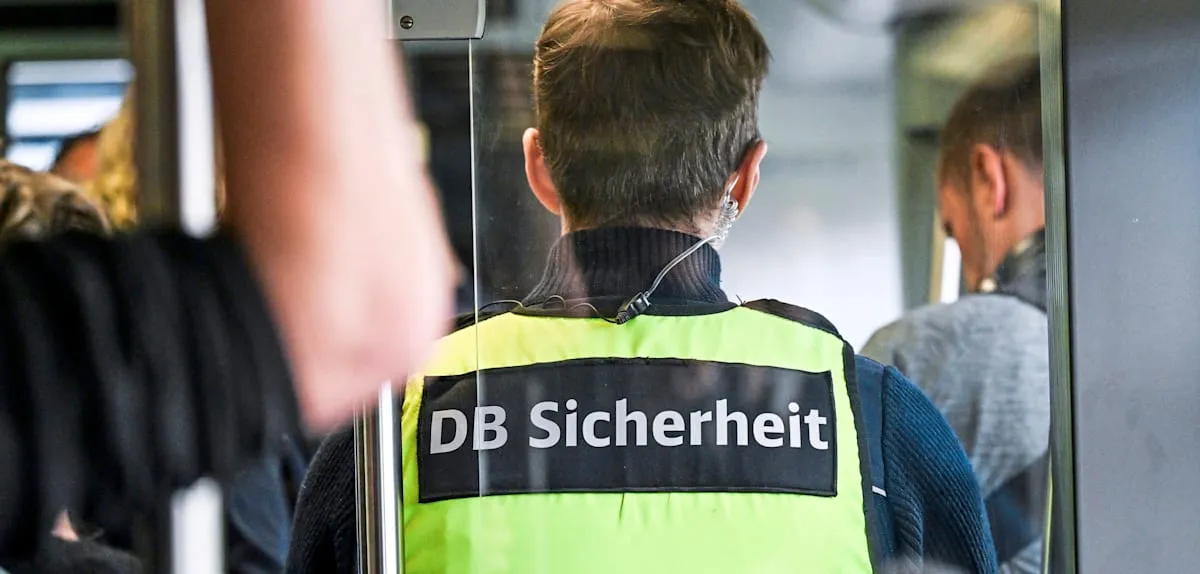
GERMANY — A 26-year-old train security guard is fighting for his life in hospital after being thrown from a high-speed carriage traveling at approximately 120 kilometers per hour. This dramatic incident followed a scuffle initiated by an intoxicated passenger. Authorities made the surprising decision not to detain the alleged perpetrator, sparking a wave of public questions about justice and transport security in 2026.
The unfortunate event began with the security guard reprimanding a passenger suspected of being intoxicated. Internal police sources indicate that the passenger verbally abused the officer before the situation escalated into a physical confrontation. Amidst the commotion, the carriage door suddenly opened, causing the security guard to fall out of the rapidly moving train.
The officer, whose identity was not released for privacy reasons, was immediately rushed to the nearest medical facility. His condition is reported as critical, with severe injuries requiring intensive care. Medical teams are working diligently to stabilize his condition, while his family anxiously awaits developments.
Eyewitnesses at the scene provided testimony corroborating the incident's timeline, describing the horrific scene as an individual was hurled from a moving train. The speed of 120 km/h made the impact of the fall exceptionally fatal, highlighting the extreme risks faced by security personnel in carrying out their duties.
Most shocking to the public was the law enforcement's decision not to issue an arrest warrant for the passenger alleged to have provoked the incident. The suspect was reportedly released after initial questioning, causing confusion and outrage among a public yearning for justice.
Local police explained that the decision not to detain the suspect was based on ongoing legal considerations. They cited that the investigation is still active to gather further evidence. However, this explanation has failed to quell public concerns about security standards and law enforcement in cases of violence on public transport.
The German Transport Workers' Federation (DBV) issued a strong statement, urging the government and law enforcement agencies to review policies related to staff security. "This incident is a bitter reminder of the vulnerability of our officers," said DBV spokesperson, Karl-Heinz Schmidt. "We cannot allow perpetrators of violence to walk free; this undermines staff morale and their sense of safety."
This case directly reignites the debate about legal protection for frontline officers. Many argue that the justice system needs to be more responsive to the increasing threats of violence against public service workers. Similar issues also arose in the case of "Terror in Duisburg's 'White Giant': Man Critical After Mysterious Stabbing", where public violence also came under scrutiny.
The railway company, which declined detailed comment during the ongoing investigation, affirmed its full cooperation with authorities. They also expressed deep concern over their officer's condition and emphasized the importance of a safe working environment for all employees.
This tragic incident once again sparks discussion about enhancing security measures on trains, including the installation of more advanced surveillance cameras and conflict escalation training for staff. Public transport observers believe that a comprehensive revision of security protocols is necessary to address the challenges posed by aggressive and intoxicated passengers.
Members of parliament from various political factions have called for a transparent and thorough investigation. They demand an explanation for why the perpetrator was not immediately detained, especially given the severity of the victim's injuries. Public and political pressure is expected to intensify until clarity and justice are served.
The critical condition of the security officer symbolizes the sacrifices sometimes paid by those who maintain public order. The public demands full transparency and accountability for this life-threatening incident, as well as concrete steps to prevent similar occurrences in the future, particularly amidst increasing passenger traffic in 2026.