 Chandra Wijayanto
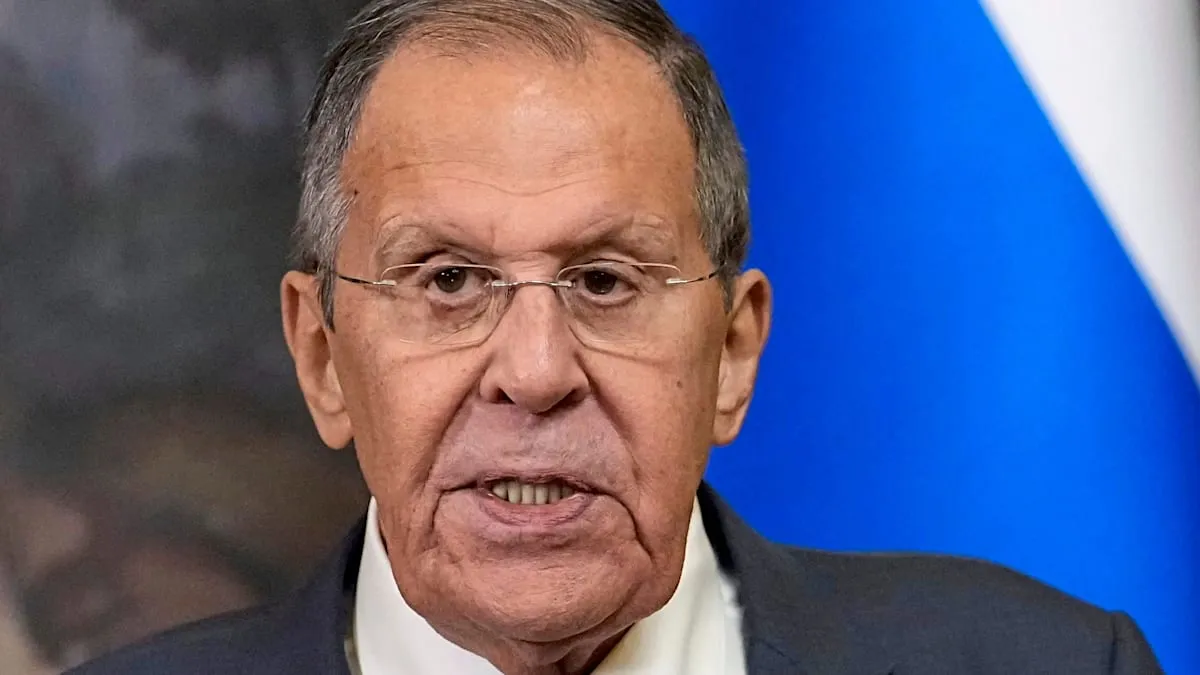
MOSCOW – Tensions in Eastern Europe flared again in 2026. Following the collapse of a fragile truce, Russia and Ukraine reported intense cyberattacks targeting critical infrastructure in both nations. Moscow claimed hackers spread false information through its emergency warning application, while Kyiv suspected a breach of its air raid alert system. These incidents mark the resumption of digital hostilities after a brief lull in the conflict.
Moscow, through an official statement, unequivocally accused unidentified parties of orchestrating the spread of false information. These messages, appearing on the emergency warning app, were deemed capable of causing public panic and disrupting order. This is not the first time Russia has been a target of disinformation in the ongoing digital warfare.
On the other hand, Kyiv responded with similar reports. Ukraine identified a suspected serious breach of its national air raid alert system. A spokesperson for the Ukrainian Ministry of Defense stated that the incident is being thoroughly investigated to ascertain its scale and impact on air defense readiness.
The end of the ceasefire, which briefly offered hope for a de-escalation of the conflict, is now accompanied by an escalation in the cyber domain. Geopolitical analysts note that digital attacks often serve as a precursor or response to conventional battlefield movements. This situation reflects the increasingly complex dynamics of the conflict.
The history of conflict between the two countries has repeatedly been marked by cyberattacks. From the hacking of energy infrastructure to massive disinformation campaigns, digital warfare has become an integral part of each side's strategy. These latest incidents reaffirm the vulnerability of vital systems to cyber threats.
Cyberattacks disrupting emergency warning systems have the potential to inflict serious consequences on civilians. The availability of accurate and timely information is crucial in crisis situations. The dissemination of 'false information' can lead to confusion, panic, and even endanger lives if the public misinterprets threats.
The international community views these developments with concern. The United Nations (UN) and several global cybersecurity organizations have called on all parties to exercise restraint from actions that could worsen the situation and endanger civilians. They emphasized the importance of adherence to international law in cyberspace.
The greatest challenge in cyber incidents like this is attribution or determining the perpetrators. Often, attacks are conducted through proxy networks and sophisticated anonymity techniques, making it difficult for authorities to definitively identify the culprits. This is often exploited to deny involvement.
This escalation of cyberattacks has broad implications for regional stability in Europe. If digital warfare continues to intensify, the risk of miscalculation or disproportionate retaliatory attacks will increase significantly. This situation could trigger a cycle of violence difficult to halt.
Cybersecurity experts predict that state-sponsored cyber warfare will continue to be a permanent feature in geopolitical conflicts. Investment in cyber defense and response capabilities is a top priority for every nation to protect themselves from evolving threats.
The impact of this conflict has also been felt across various sectors, including the economy. Sanctions imposed on Russia have had significant consequences for European countries, as seen in reports concerning Russia Sanctions: Europe Pays Dearly, Poland Urges Germany to Pay War Reparations. This situation illustrates the interconnectedness of physical and digital warfare with economic pressures.
Editorial Insight: The end of the truce and the return of cyberattacks underscore the failure of de-escalation efforts in the region. Digital conflicts targeting essential public systems demonstrate a shift in the focus of war, where the vulnerability of civilian infrastructure becomes a new battleground. Governments worldwide must learn from this case to strengthen their cyber defenses, not only from external enemy attacks but also from the potential for disinformation to tear apart internal social cohesion.