 Edward DP Situmorang
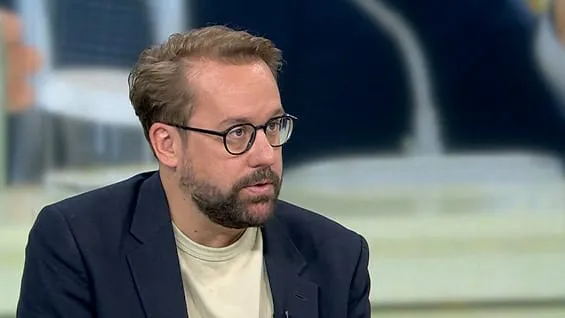
TEL AVIV — Senior reporter Paul Ronzheimer reported from Tel Aviv on the sudden cancellation of a military attack by United States President Donald Trump. This surprising decision immediately sparked speculation and profound questions regarding Washington's geopolitical strategy amidst escalating global tensions in 2026.
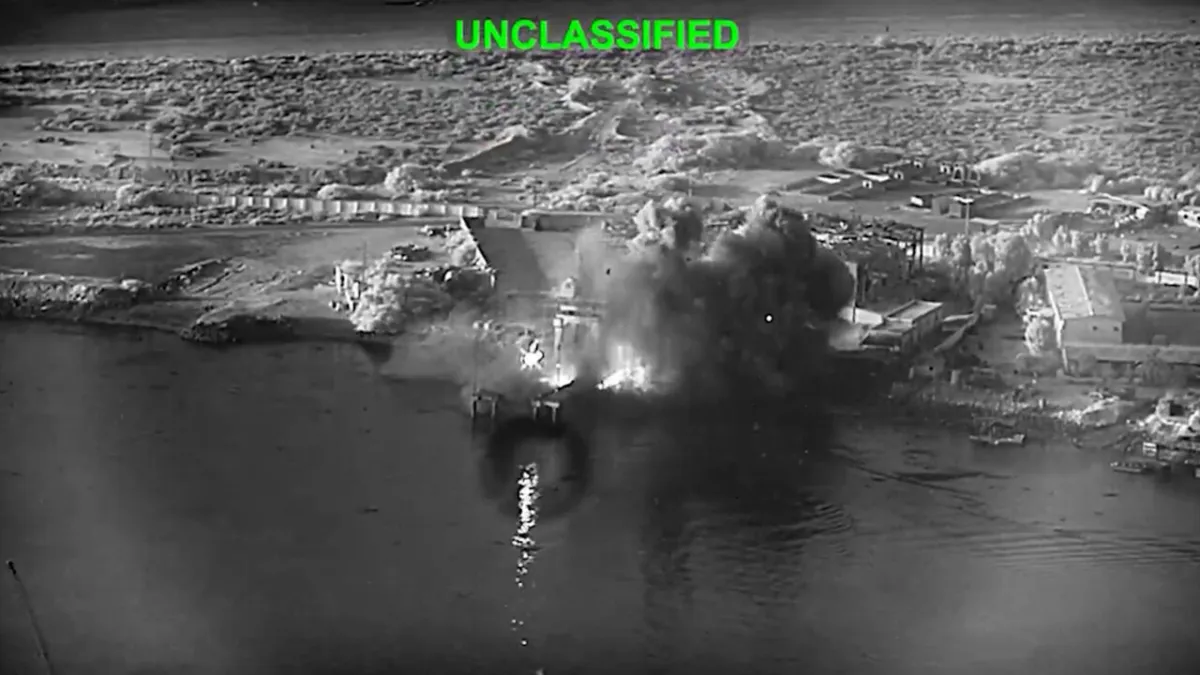
Prior to the announcement, strong signals from various intelligence and diplomatic sources indicated that a significant military operation was imminent. Ronzheimer, known for his sharp reporting from conflict zones, stated, “Everything pointed to an indication of an impending attack.”
However, amidst global anticipation, the White House unexpectedly issued a statement of cancellation. This decision came without detailed explanation for its rationale, leaving many parties, including defense analysts and diplomats, in confusion.
“One wonders what strategy is now being employed,” Ronzheimer remarked, echoing the bewilderment felt by many observers. This cancellation is not merely a postponement; it fundamentally alters the dynamics that had been established in the region.
The Middle East, in particular, has been under close scrutiny following an escalation of tensions over the past several months. Issues such as the agreed disarmament of Hamas, which paradoxically inflamed Gaza, serve as relevant background. The presence of aircraft carriers and troop deployments in strategic areas are often interpreted as preparations for offensive action.
This cancellation has led to various interpretations. Some argue it might be a negotiation tactic to pressure opposing parties back to the bargaining table. Given President Trump's history of unexpected political maneuvers, this scenario is not impossible. The article “Trump Shakes Geopolitics: Iran Returns to Nuclear Talks” is a crucial reference for understanding Trump's diplomatic patterns.
Another scenario suggests new intelligence information altered the White House's strategic calculations. Such information could indicate excessively high risks or offer more promising diplomatic alternatives.
The impact of this attack cancellation was deeply felt in global financial markets, especially in the energy sector. Oil prices fluctuated significantly before eventually stabilizing, reflecting the uncertainty that still shrouds the prospect of regional stability.
The international community now awaits the next steps from President Trump's administration. Clarity on the 'strategy' questioned by Ronzheimer is crucial to restoring confidence and providing a more certain direction for global diplomacy.
Ronzheimer's quote emphasizing “strategy” highlights the importance of transparent communication from the US government. Without it, speculation and misinterpretation could further proliferate, exacerbating an already complex situation. This also aligns with heating US political issues, as alluded to in the article “Hamas Disarmament Agreed, Gaza Heats Up Amid US Political Stalemate 2026”.
World leaders and international organizations have called for restraint and constructive dialogue to de-escalate tensions. This cancellation, though mysterious, at least provides a pause for diplomatic efforts to seek peaceful solutions.
In Washington, members of Congress and foreign policy experts are also urging the Trump administration to provide a more comprehensive explanation. Transparency is considered key to maintaining the integrity of US foreign policy before the domestic public and its international partners.
This incident once again underscores the volatile nature of international relations, particularly in historically high-volatility regions. Sudden decisions like this, while aimed at avoiding conflict, can also trigger new concerns if not managed with effective communication.
As time progresses, further details of President Trump's decision are expected to emerge. However, one thing is certain: the cancellation of the attack has sent shockwaves worldwide, leaving significant questions about America's long-term strategy.