 Chandra Wijayanto

WASHINGTON – U.S. President Donald Trump recently announced that the "Friedensrat," or Peace Council, has reached a significant agreement aimed at the complete disarmament of Hamas. However, this optimistic claim was quickly overshadowed by sharp skepticism from prominent security expert Nico Lange, who explicitly highlighted that the agreement's implementation "does not seem to be working" because crucial details remain unresolved. Trump's statement, emerging amidst ongoing efforts to de-escalate the conflict in the Middle East, has ignited intense debate regarding the viability and effectiveness of this proposed accord.
The White House announcement portrayed the agreement as a significant breakthrough, potentially altering the landscape of the Israeli-Palestinian conflict. According to President Trump's statement, the accord includes a commitment to the total disarmament of all Hamas weaponry, a group many Western nations categorize as a terrorist organization. This represents a drastic step that has long been a primary prerequisite for Israel in any long-term peace negotiations.
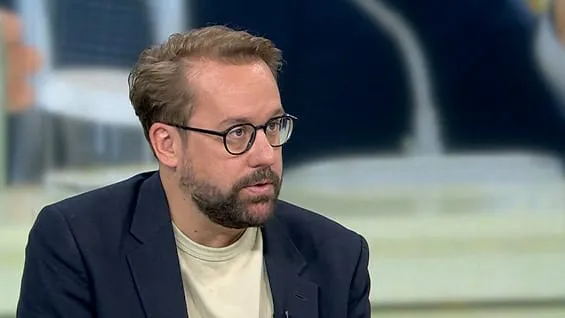
In stark contrast to the narrative of triumph, security analyst Nico Lange conveyed his skepticism. He stated, "Trump has the problem that he makes a deal on the surface, but the details are not clarified." This assessment suggests that despite a formal announcement, the operational mechanisms, timelines, and responsible parties for ensuring the disarmament process progresses remain vague. Without concrete specifics, this agreement risks becoming merely an empty promise.
The Peace Council, or Friedensrat, as mentioned by President Trump, is believed to be the entity that initiated or mediated these negotiations. Although its specific identity and composition were not detailed, its role is vital as a potential facilitator between the conflicting parties. Its involvement indicates an effort to seek multilateral solutions to this highly complex issue.
The history of conflict in Gaza and its surrounding areas is filled with various peace efforts that frequently failed due to a lack of trust, disagreements over details, or the unwillingness of one side to fully commit. The process of disarmament, particularly from non-state actors, represents one of the greatest challenges that consistently plagues every peace initiative in the region.
In this regard, a major question arises regarding Hamas's willingness to genuinely surrender its weaponry voluntarily and completely. As the entity in control of the Gaza Strip, military strength is a primary pillar of their existence and bargaining power. Without significant concessions or highly compelling security guarantees, the prospect of total Hamas disarmament would be an almost insurmountable obstacle.
The geopolitical implications of this agreement, if implemented, would be profound, potentially bringing new stability to the Middle East. However, if Lange's doubts prove true, the failure of implementation will further deepen cycles of distrust and violence, damaging the credibility of future diplomatic efforts. It could also send a negative signal to other armed groups worldwide.
The role of United States diplomacy, under President Trump's leadership, is a crucial element in this dynamic. Trump's bold announcements often reflect his "big deal" strategy. However, critics argue that this approach, which often prioritizes grand announcements without details, can complicate the resolution of already intricate problems.
It is imperative for any peace agreement to possess a clear implementation roadmap and robust verification mechanisms. Without these, an agreement that sounds promising on paper will only fuel false expectations and prolong suffering. Transparency and accountability are key to building the foundation for lasting peace.
Therefore, the international community currently awaits further clarification regarding the specifics of this agreement. The success or failure of this process will depend on the ability of all parties to move beyond rhetoric and genuinely commit to pragmatic and verifiable implementation. Hamas disarmament, if it truly occurs, would mark a new chapter, yet the existing skepticism indicates a long and winding road ahead.
President Trump's claims regarding a Gaza peace deal and the complete disarmament of Hamas will continue to be a focus of global attention. However, warnings from experts like Nico Lange underscore the urgency of looking beyond headlines and demanding concrete details. Without solid implementation guarantees, the prospect of true peace in the region remains merely an illusion.