 Stefani Rindus
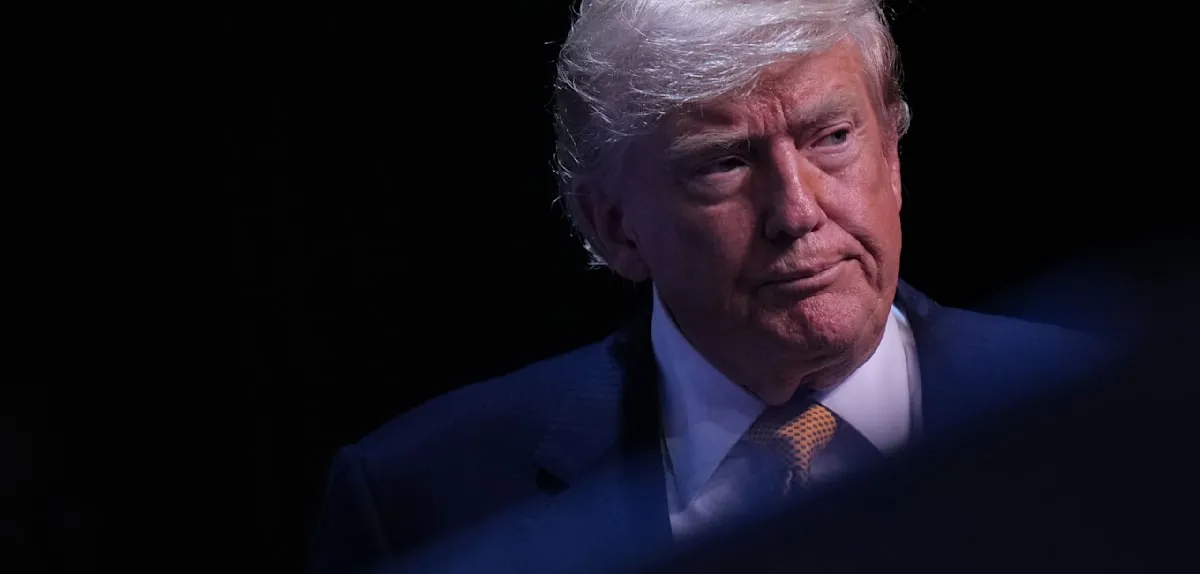
BRUSSELS — The 2026 NATO Summit in Brussels was marked by a surprising incident when United States President Donald Trump made a series of significant verbal gaffes or blunders. This occurred during a joint press conference with Ukrainian President Volodymyr Selenskyj, immediately drawing sharp attention and debate regarding the consistency of Washington’s diplomacy amidst escalating global geopolitical tensions.
The Summit, initially scheduled to strengthen alliance unity in addressing various global challenges, was instead overshadowed by President Trump’s provocative rhetoric and sharp criticism. His controversial statements reportedly sparked unease among member states, even before formal sessions concluded.
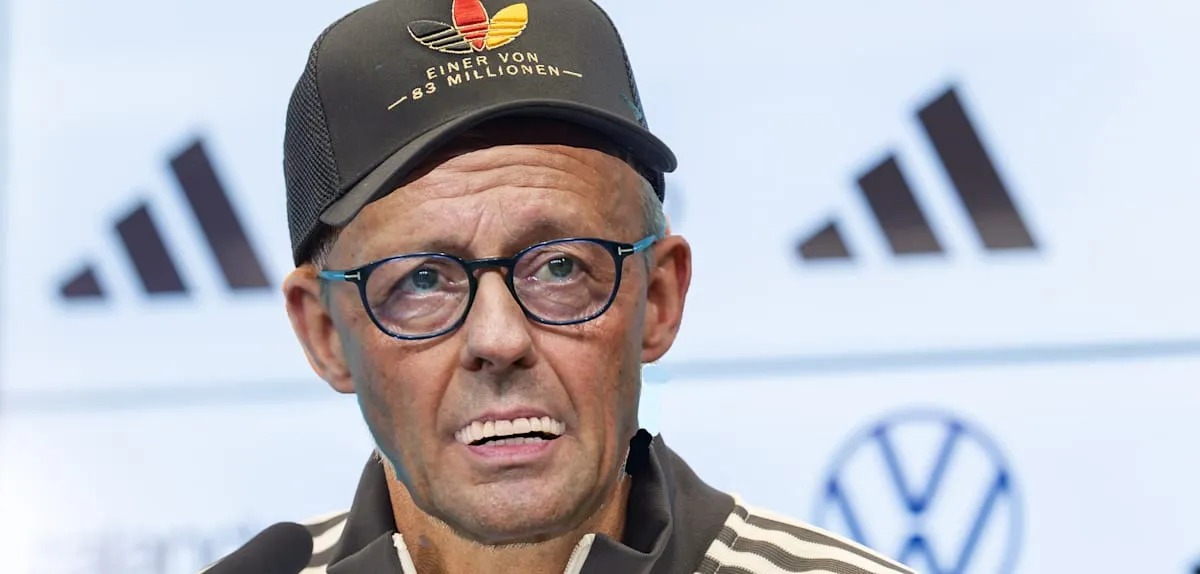
Nevertheless, German Chancellor Friedrich Merz attempted to highlight the positive aspects of the meeting. In a statement to the media, Merz concluded that the NATO Summit still produced important consensus. He even quoted one of President Trump’s statements which, according to Merz, indicated a positive foundation for future cooperation, although the details of the quote were not explicitly elaborated. This contrasts with some reports highlighting Trump’s secret statements in the past that fueled speculation.
The incidents of verbal blunders by President Trump occurred repeatedly throughout the press conference. Several of these, according to observers, were not merely minor errors, but rather statements potentially interpreted as policy changes or even critical misinformation on crucial issues. This situation created an atmosphere of uncertainty in an important international forum.
One of the most striking moments was when Trump, in responding to a question about military support for Ukraine, seemed to mistakenly name a country or misrepresent facts about aid that had been provided. This error immediately sparked whispers among the journalists and diplomats present.
It is no secret that President Trump often employs an unconventional rhetorical approach, frequently leading to controversy. Previously, he had stirred NATO with threats of invasion or other strong statements that shook regional stability.
President Selenskyj’s own reaction appeared calm yet calculated. He maintained a diplomatic tone, focusing on the importance of continued support from the Western alliance for Ukraine’s defense. Selenskyj did not directly address every Trump gaffe, instead emphasizing the urgency of solidarity.
Various international media highlighted this incident as an indication of communication and coordination challenges within the NATO alliance, particularly with the leadership of the United States. This harks back to previous eras when Trump praised NATO unity but also delivered harsh criticism against member states deemed to be contributing insufficiently.
Political analyst Dr. Clara Jansen from Leiden University stated that although this incident might seem trivial, “in the context of high-level diplomacy, every word carries significant weight. Such blunders can erode trust and send wrong signals to potential adversaries.”
The 2026 NATO Summit demonstrates complex dynamics between the need for unity and the autonomy of member states. Despite efforts from some leaders like Chancellor Merz to maintain a positive atmosphere, unexpected statements from the leader of the alliance’s strongest nation invariably become a focal point of discussion.
This event also raises questions about the preparation and coordination behind the scenes of the Summit. Were there suboptimal mitigation steps to anticipate President Trump’s often unpredictable communication style?
In recent years, United States foreign policy under Trump’s leadership has been the subject of intensive discussion. From claims on Greenland to sharp criticism of defense budget contributions, the digital footprint of his views on global alliances is clearly recorded.
Strict oversight by the public and media remains crucial to ensure the accountability of global leaders. This incident in Brussels will serve as an important note in the history of international diplomacy in 2026, reminding us of the fragility of communication balance on the world stage.