 Chandra Wijayanto
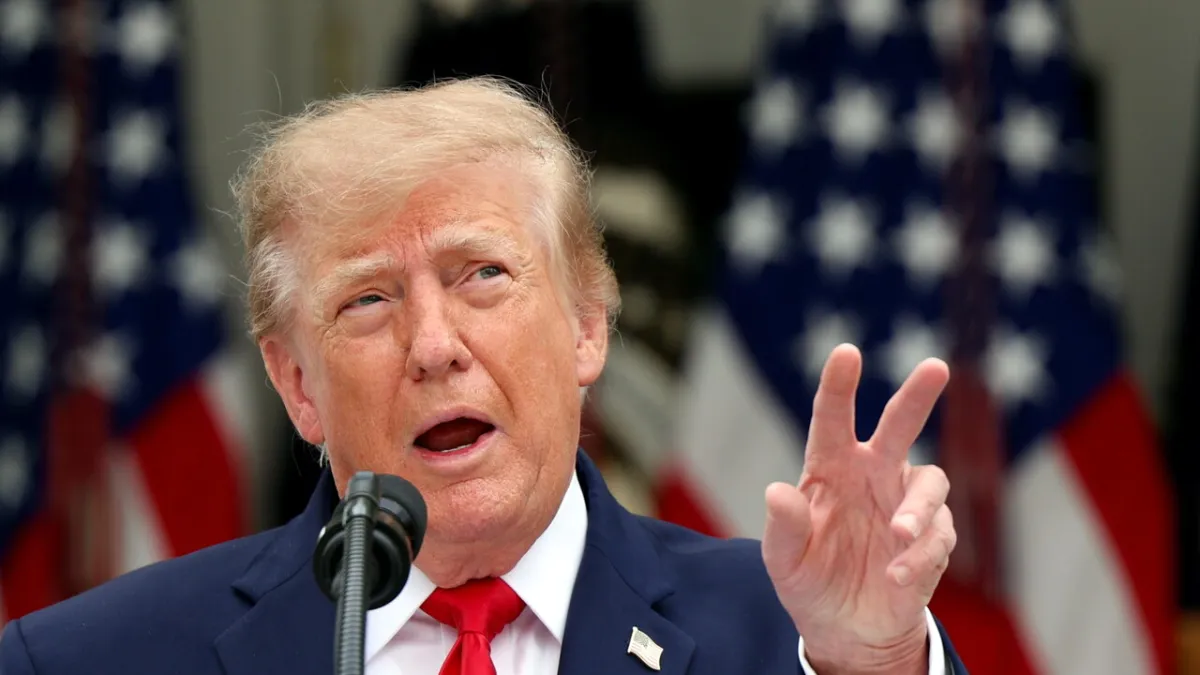
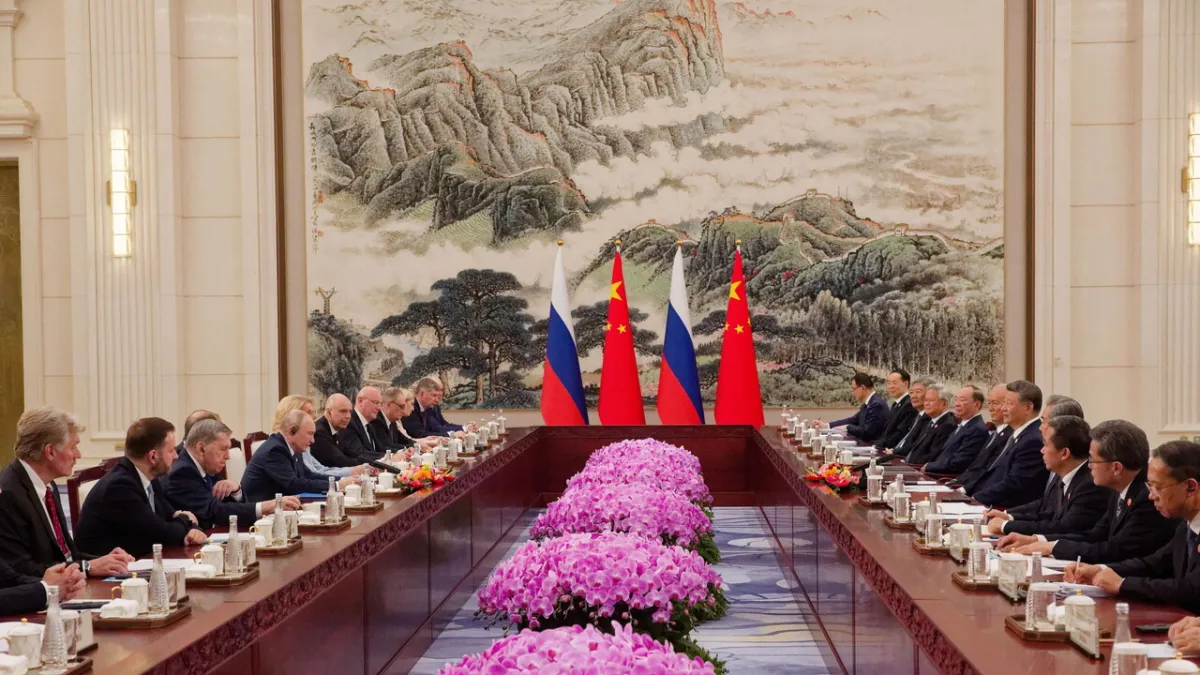
WASHINGTON – U.S. President Donald Trump recently made a statement that reverberated across the global geopolitical landscape, asserting that the freezing of new sanctions against Russia is an excellent decision. This declaration comes amid speculation regarding the direction of U.S. foreign policy during his second term.
Trump articulated his view that this measure would not only have a positive impact on the United States itself but also on the international community as a whole. It will be a positive choice for the country and I believe for the entire world, Trump stated, emphasizing his vision for broader stability and international cooperation.
This decision follows months of lingering tensions between Washington and Moscow, despite various diplomatic efforts. Previous sanctions were imposed for a range of reasons, from alleged interference in U.S. elections to the annexation of Crimea.
President Trump's bold move signals a significant shift in the U.S. approach to Russia. For several years, U.S. policy toward Moscow has largely been dominated by pressure and isolation through a stringent sanctions regime.
This policy shift has, predictably, sparked diverse reactions from analysts and world leaders. Some have welcomed the initiative to de-escalate tensions, while others have voiced concerns about the long-term implications for regional security, particularly in Eastern Europe.
The decision to freeze new sanctions could be interpreted as President Trump's effort to pave the way for more constructive dialogue with the Kremlin, a strategy he believes could bring stability to a volatile global stage.
However, it is undeniable that such a policy also carries the potential for controversy. European allies, especially those with a long history of conflict with Russia, are likely to monitor these developments closely. Similar past policies, such as the potential easing of sanctions threatening Ukraine, have raised concerns among European nations, as reflected in the related article Trump's Sanctions Policy Eases on Russia, Ukraine Threatened: Europe Must Act!.
This move aligns with President Trump's foreign policy pattern, which often prioritizes transactional and pragmatic approaches. This is also evident in U.S. efforts to target investments in various sectors, including those discussed in Venezuela Aims for Rp1,200 Trillion Oil Investment, Trump Gives Green Light, demonstrating a focus on national gain and direct negotiation.
The rationale behind this sanction freeze may include a desire to stabilize global energy prices, confront larger geopolitical challenges from other nations, or simply to mend strained bilateral relations.
Regardless of the underlying motivations, this new policy will be a critical test for Donald Trump's leadership on the world stage. Will he succeed in ushering in a new era of cooperation, or will he create deeper uncertainty?
The implications of this decision will continue to be observed by the international community, particularly how it will affect the dynamics of regional conflicts and complex global security agreements.
Editorial Insight: President Trump's decision to freeze new sanctions against Russia is a calculated move fraught with both risks and potential rewards. It could be an attempt to de-escalate tensions and seek more effective diplomatic solutions, or it might inadvertently provide Russia with an opening to strengthen its position unhindered. The response from Western allies will be crucial in determining whether this policy is accepted as a peace effort or criticized as a weakening of a united front.