 Chris Robert
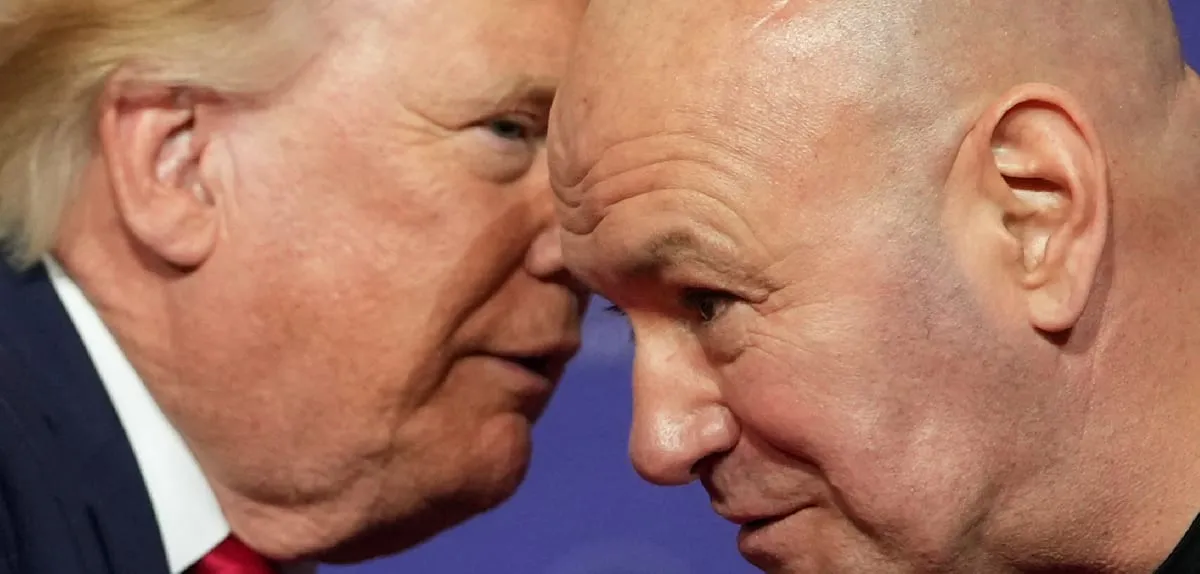
WASHINGTON D.C. – United States President Donald Trump sent shockwaves through the political and media landscape in 2026 by proposing Dana White, the charismatic figure behind the Ultimate Fighting Championship (UFC), as the White House Press Secretary. This surprising announcement was made directly by President Trump via his Truth Social platform, fueling widespread speculation about the direction of his administration's communication in its second term.
This move marks a radical departure from the tradition of selecting press secretaries from among experienced politicians or strategic communication experts. White, known for his outspoken and often provocative style in leading the UFC, is now being considered for a role that demands diplomatic discretion and informational precision.
Beyond Dana White, President Trump also hinted at the idea of recruiting several prominent UFC champions and two fighters from Dagestan to fill staff positions in the White House. This unusual personnel idea is reportedly part of a strategy to bring fresh perspectives and new energy to the federal administration.
President Trump's choice of figures from the combat sports world has elicited mixed reactions. Some see it as a bold step to break bureaucracy and garner sympathy from a voter base that might feel underrepresented by the traditional political elite.
However, many have also voiced concerns. Critics argue that the role of White House press secretary demands specific expertise in diplomacy, global media handling, and a deep understanding of domestic and international policy, something that figures from a sports promotion background may not possess.
The relationship between Donald Trump and Dana White has been close for years. White has been a steadfast supporter of Trump, often appearing at campaign events and publicly endorsing the former (now current) US president.
White's involvement is believed to bring a much more aggressive and confrontational communication style, mirroring President Trump's own persona. This could fundamentally alter the dynamics of White House press conferences and the government's interaction with the media.
Political observers predict that if this appointment comes to fruition, it will spark intense debate in Congress and among the broader public. Questions about White's qualifications and readiness to face global pressures and political intrigue will be a major focus.
President Trump's decision can also be seen as an attempt to continually challenge existing political norms, a hallmark of his leadership. This aligns with patterns seen in other issues, such as when Iran eyed Trump's weaknesses after the Midterms or when Trump and Russia opened the door to a major deal.
Another interesting aspect is the potential impact on the international perception of the United States. Appointing a sports promoter as the face of government communication could create a different impression globally, both positive and negative, depending on each country's perspective.
Although this announcement is still an idea shared on social media, President Trump's track record shows that unconventional ideas often become reality. The world now awaits whether the White House will truly transform with the arrival of new faces from the octagon arena.
Editorial Insight: President Trump's consideration of Dana White as White House Press Secretary is a shrewd yet high-risk political maneuver. It is not merely a personnel change but a strong statement that the Trump administration will not be bound by convention. With Dana White, Trump likely hopes to dominate the media narrative with unflagging energy, while simultaneously appealing to a segment of society that admires strength and decisiveness, even if it means disregarding the establishment's protests. The long-term impact on institutional credibility and media relations remains to be seen.