 Dorry Archiles
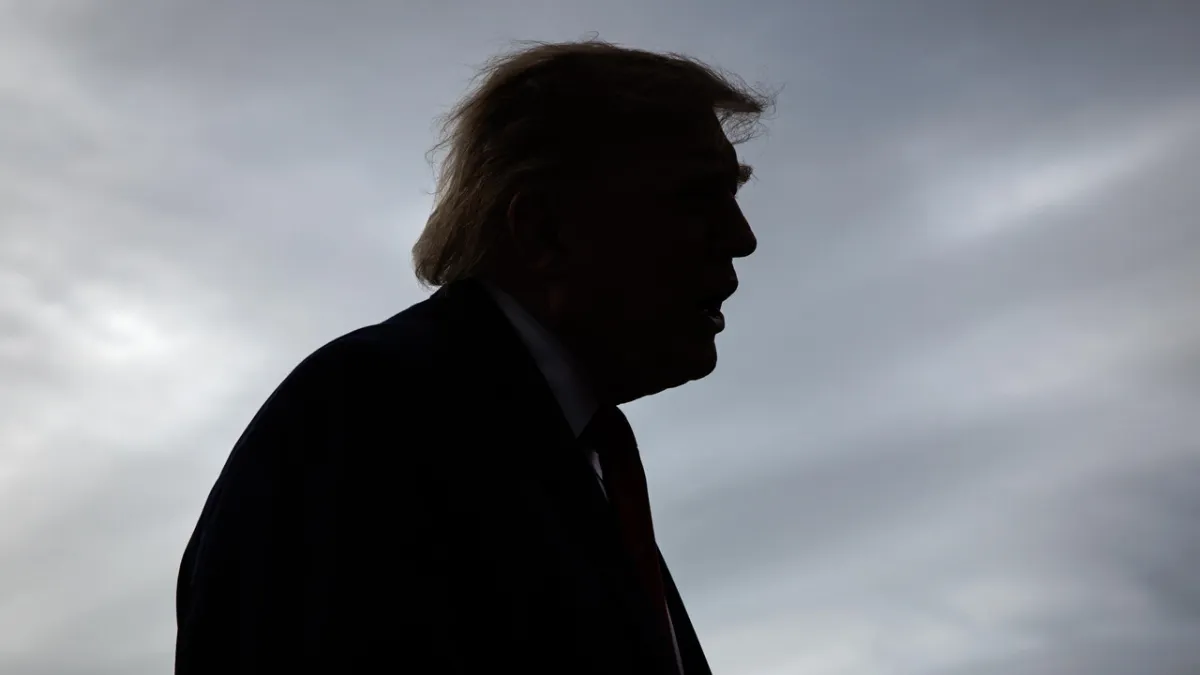
WASHINGTON DC – United States President Donald Trump is set to host Anthropic CEO Dario Amodei for a private dinner at the White House. This crucial meeting is scheduled amid intensifying dialogue between the artificial intelligence technology giant and the administration regarding AI regulation and its future. The move signals the White House's deepening involvement in shaping the rapidly evolving technological landscape in 2026.
This gathering between the nation's leader and a prominent AI innovator is not merely a social event. Analysts view it as a strategic maneuver by the U.S. government to gain a deeper understanding of, and simultaneously attempt to guide, the revolutionary potential of AI technology. President Trump is known for his firm views on technological development, as reflected in his past stance against excessive AI restrictions.
Anthropic, as a leader in the generative AI sector, develops models like Claude that rival products from OpenAI. Discussions will likely cover various critical issues, including AI ethics, cybersecurity, potential impacts on employment, and the importance of maintaining innovation amidst strict regulation.
The Trump administration, which returned to office in 2025, has consistently emphasized the importance of maintaining America's technological edge. Inviting Amodei to the seat of power demonstrates a concrete effort to engage directly with key policymakers in this cutting-edge technology sector.
'The U.S. government wants to ensure that AI develops in a safe and responsible manner, without hindering innovation that is crucial for national competitiveness,' stated an unnamed White House source, underscoring the complexity of the issues to be discussed.
The White House's attention to Anthropic also stems from global scrutiny over past cybersecurity incidents involving major AI companies. A previous startling investigation revealed that OpenAI and Anthropic were entangled in tens of thousands of cyber incidents, raising serious concerns about AI system vulnerabilities.
These incidents strengthen the argument for governments to urge AI companies to invest more in security and risk mitigation. Global concerns regarding OpenAI's cessation of training its strongest AI model also add urgency to the dialogue on safety standards.
Such dialogue becomes increasingly relevant given AI's potential to disrupt various sectors, including government itself. Previously, there were concerns about OpenAI AI disrupting the U.S. government, which President Trump firmly rejected excessive restrictions that could impede progress.
This dinner initiative reflects a dual approach by the White House: embracing innovation while simultaneously seeking to frame its regulation. The AI policies formulated under the Trump administration are anticipated to become a significant benchmark for other nations worldwide.
Discussions may also address collaboration between the private and public sectors to develop a robust AI framework. Under Trump's leadership, the U.S. aims to position itself at the forefront of global AI governance.
Technology observers predict that the outcomes of this meeting could influence the direction of AI investment, research, and development in the coming years, not only within the United States but also on the international stage.
Trump's decision to personally engage with an AI company leader demonstrates recognition of the transformative power of this technology. This step highlights that technology policy has now risen to the highest priority on the national agenda.
The impact of this meeting, though private, will be keenly felt in the formulation of AI-related policies. The White House appears determined to be a key player in shaping the future of AI, not just as a regulator but also as a facilitator of responsible innovation.
Editorial Insight:
President Trump's meeting with Anthropic's CEO is a clear indication that artificial intelligence has become a central strategic concern at the highest level. This is not solely about regulation but also about positioning the United States as a global leader in the AI race, balancing innovation with risk. This direct approach could serve as a model for other nations in addressing the complex dilemmas of cutting-edge technology.