 Robert Andrison
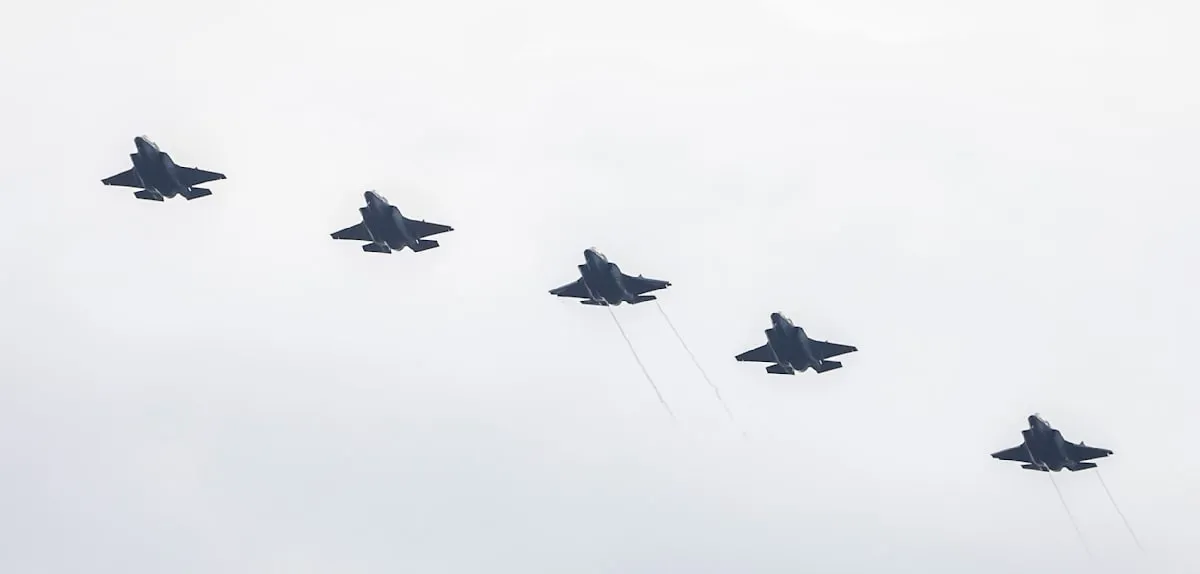
TEHRAN – The United States has once again launched a wave of air strikes against targets in Iranian territory, marking the third consecutive night of significant military escalation threatening global geopolitical stability. This action comes shortly after US President Donald Trump issued public statements hinting at decisive attacks, exacerbating already high tensions between the two nations.
The US military's Central Command (CENTCOM) confirmed these latest strikes. This increased military activity follows a series of previous incidents involving US interests in the Middle East, prompting a strong response from Washington.
Donald Trump, who returned to office as President in 2026, has demonstrated an uncompromising stance against Iranian aggression. His often-provocative public statements frequently precede military actions. Political observers highlight how President Trump's rhetoric directly correlates with aggressive military responses.
Several international analysts describe this situation as the peak of long-standing US-Iran tensions. US-Iran Tensions Peak in the Persian Gulf: Who Prevails?, is one article title that describes this complex dynamic.
The Iranian government, through its spokesperson, vehemently condemned the attacks as a violation of sovereignty and international law. They vowed to retaliate proportionately, raising fears of a broader spiral of escalation in the region.
On previous nights, similar attacks also targeted military facilities and logistical infrastructure Washington believes are linked to Iran's destabilizing programs in the region. The specific damages and impacts of the latest strikes are still being verified, but initial reports indicate strategic targets were successfully hit.
This situation has triggered diverse reactions from the international community. Some US allies expressed support for Washington's right to protect its interests, while others urged restraint and dialogue to avoid a full-scale conflict.
The UN and several regional organizations have called for immediate de-escalation, concerned that an open conflict between these two powers would have catastrophic consequences for the Middle East and the global economy. World oil prices showed a significant increase in response to this uncertainty.
The stern threats previously voiced by President Trump underscore Washington's seriousness in confronting what they describe as 'continuous provocations' from Iran. Donald Trump's Surprise Speech: What's the Secret Behind Tonight's Promise? was once a public focal point anticipating the White House's next moves.
Diplomats in various capitals are now working diligently behind the scenes to find diplomatic solutions. However, with the firm stance of both sides, the prospects for peaceful dialogue appear increasingly dim. The world watches anxiously for the next steps from Washington and Tehran.
The long-term consequences of this escalation are expected to be profound, not only for the Middle East region but also for the global security order. The United States and Iran now stand at a crossroads, where every decision could determine the fate of millions.