 Robert Andrison
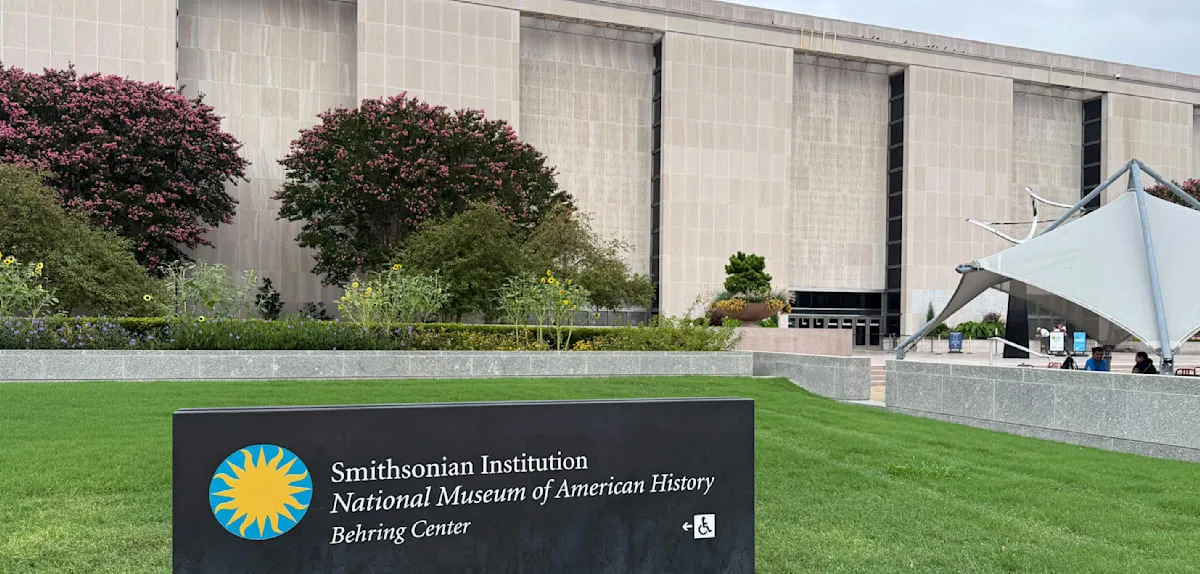
Washington D.C. – Former United States President Donald Trump has once again ignited controversy, advocating for the placement of "false information" labels on certain exhibits within the National Museum of American History. This move swiftly drew condemnation from various quarters, who accuse him of attempting to silence historical narratives that do not align with his perspectives.
Trump's radical proposal first emerged during an exclusive interview in early February 2026. He expressed dissatisfaction with what he termed the "distortion of truth" in national museums, particularly those related to American history post-World War.
According to Trump, several exhibits at the National Museum of American History present inaccurate or politically biased information. "It's time we distinguish between fact and fiction, even in institutions that are supposed to be the guardians of our history," he stated. He suggested a special panel review museum content and label what he considers "misinformation."
This idea immediately triggered a wave of criticism from historians, academics, and politicians. Professor Emily Davies, a prominent historian from Georgetown University, vehemently denounced the proposal. "This is not about correcting facts, but a transparent attempt to censor and rewrite history to suit a specific political agenda," she asserted.
Davies added that the role of museums is to present context, diverse perspectives, and foster critical discussion, not to become a mouthpiece for propaganda. "Labeling something as 'false information' is a form of intellectual intimidation that undermines the integrity of our cultural institutions."
New York – This controversy is not the first time Trump has clashed with media and cultural institutions. From his presidency until 2026, he has often labeled news reports he disliked as "fake news" or "enemies of the people." This incident reminds the public of his polemics at the 2026 Press Gala, when he openly attacked various media institutions, as reported in our article: Trump Attacks Media, Signals 2028 Presidential Bid.
The National Museum of American History, part of the Smithsonian Institution, is mandated to collect, preserve, and interpret the American heritage. Museum curators have not yet officially responded directly to Trump's proposal, but internal sources indicate deep concern.
An anonymous source from the museum stated that there are serious concerns about the precedent such an idea would set if accepted. "Our mandate is to serve the public with accuracy and objectivity, based on scholarly research and historical consensus. Not to succumb to the political pressure of individual figures," they said.
On the other side of the political spectrum, some Trump supporters welcomed the idea. They argue that museums have too long been dominated by progressive or liberal narratives, and it is time to "restore balance."
"We need an honest narrative about American greatness, not just about our past shortcomings or mistakes," said a Republican politician. This view reflects the deepening polarization regarding how national history should be told and understood.
This discussion also touches on broader debates about truth and subjectivity in the public sphere. In the digital information age, where disinformation can spread rapidly, the question of who has the authority to determine "facts" becomes extremely crucial.
Journalism ethics expert, Dr. Budi Santoso, observed that this trend is not only happening in America. "Attempts to control historical narratives through labeling or censorship are common symptoms of democratic regression in various parts of the world," he explained. "This is an alarm for freedom of expression and academic freedom."
The museum now faces a dilemma: between maintaining its curatorial independence and potentially facing significant political pressure from influential figures like Trump, who still commands a strong support base and political ambitions for the 2028 presidential election.
The future of American historical interpretation at the National Museum of American History appears to be an ideological battleground, with broad implications for how society understands its past and national identity.
This debate further exacerbates tensions in the United States, especially with the approaching election cycle. How cultural institutions will address this pressure will be a significant benchmark for the nation's intellectual integrity.