 Dorry Archiles
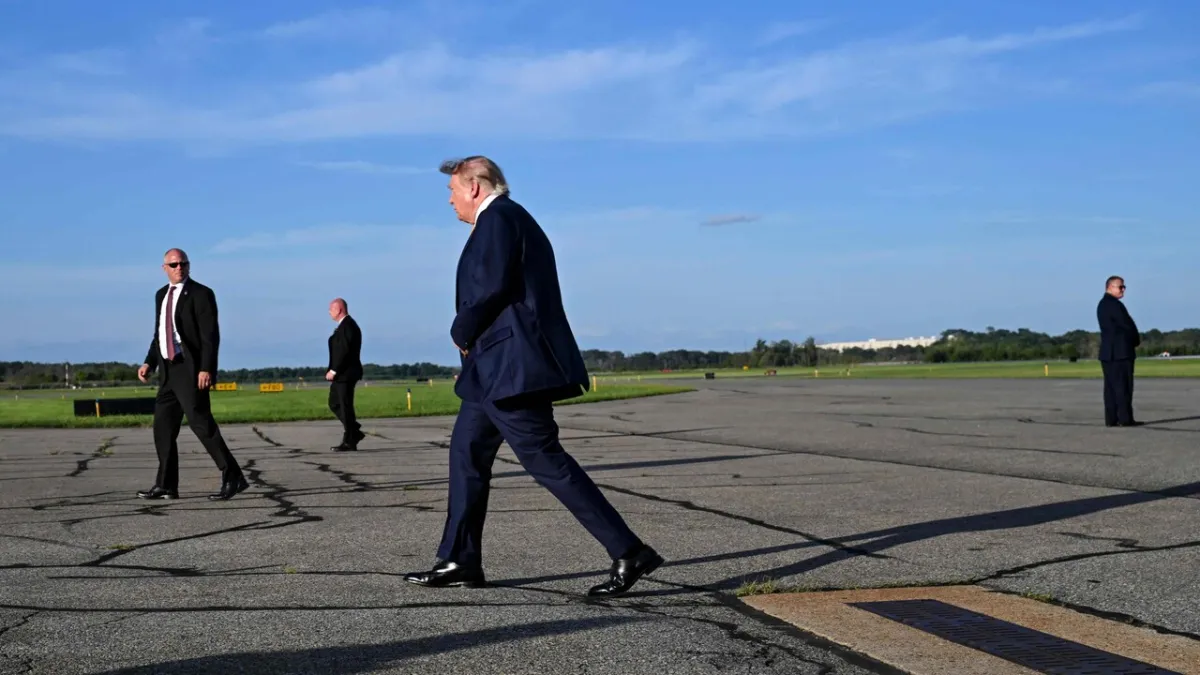
WASHINGTON – United States President Donald Trump is scheduled to hold separate telephone conversations with Russian President Vladimir Putin and Ukrainian President Volodymyr Zelensky today, Thursday (April 23, 2026). This crucial diplomatic move follows the return of US special envoys, Jared Kushner and Jason Witkoff, from their mission in Kiev, Ukraine, which was previously aimed at opening communication channels. According to a report by the Kyiv Independent, this initiative marks a direct effort by the White House to de-escalate the protracted Russia-Ukraine conflict.
The conflict in Eastern Europe has entered a new chapter with alarming escalation. After months of negotiations at various levels that often reached an impasse, the focus now shifts to President Trump's central role. This high-level dialogue is expected to be a turning point, bringing optimism for the possibility of achieving a lasting diplomatic solution.
Previously, Kushner and Witkoff's sudden visit to Kiev garnered global attention. Their discreet mission aimed to explore peace options, although initial reports indicated that these efforts had not yielded significant breakthroughs. Further analysis of this mission can be found in the article: Peace Stalemate: Witkoff-Kushner Mission in Kiev Without Real Breakthroughs.
Direct telephone conversations between these three key leaders carry immense political weight. The history of modern diplomacy shows that direct intervention from heads of state is often crucial in breaking deadlocks that cannot be resolved through ordinary diplomatic channels. The world will await the outcome of this dialogue with high expectations.
The agenda for the talks is expected to cover a range of sensitive issues, from proposals for an immediate ceasefire and troop withdrawals from conflict zones to a framework for long-term peace negotiations. The White House has not released specific details, but political analysts predict the primary focus will be de-escalation and the establishment of more effective communication bridges.
News of this planned dialogue has been met with mixed reactions from the international community. Most United Nations member states welcome de-escalation efforts, while some remain skeptical of one conversation's ability to change the dynamics of such a complex conflict. The European Union, through its representatives, expressed support for any peace-oriented initiative.
President Trump, who returned to office in 2025, has demonstrated a pragmatic approach to his foreign policy. His personal involvement in this mediation effort is consistent with his campaign commitment to ending global conflicts and prioritizing US interests through direct diplomacy.
Despite the optimism, the challenges are formidable. Trust between the warring parties has significantly eroded. Any negotiation will require substantial concessions from all sides, and finding common ground amid fundamental differences in viewpoints will be the true test of President Trump's diplomatic prowess.
The success of these conversations will be measured not only by the announcements made but also by concrete follow-up actions on the ground. The formation of more formal negotiating teams or agreements for future face-to-face meetings could serve as positive initial indicators.
All global media attention is now focused on Washington, Moscow, and Kiev. The international community hopes that these opened communication channels can be the beginning of a more substantial peace process, ending the suffering of millions of civilians affected by this conflict.
Editorial Insight:
President Trump's move to speak directly with Presidents Putin and Zelensky represents a high-stakes, yet potentially transformative, act of diplomacy. The success of this initiative largely hinges on the political will of the three leaders and their ability to look beyond short-term interests for regional stability. Failure could prolong uncertainty, while a breakthrough, however small, could lay the groundwork for a more robust peace architecture in the future.