 Chandra Wijayanto
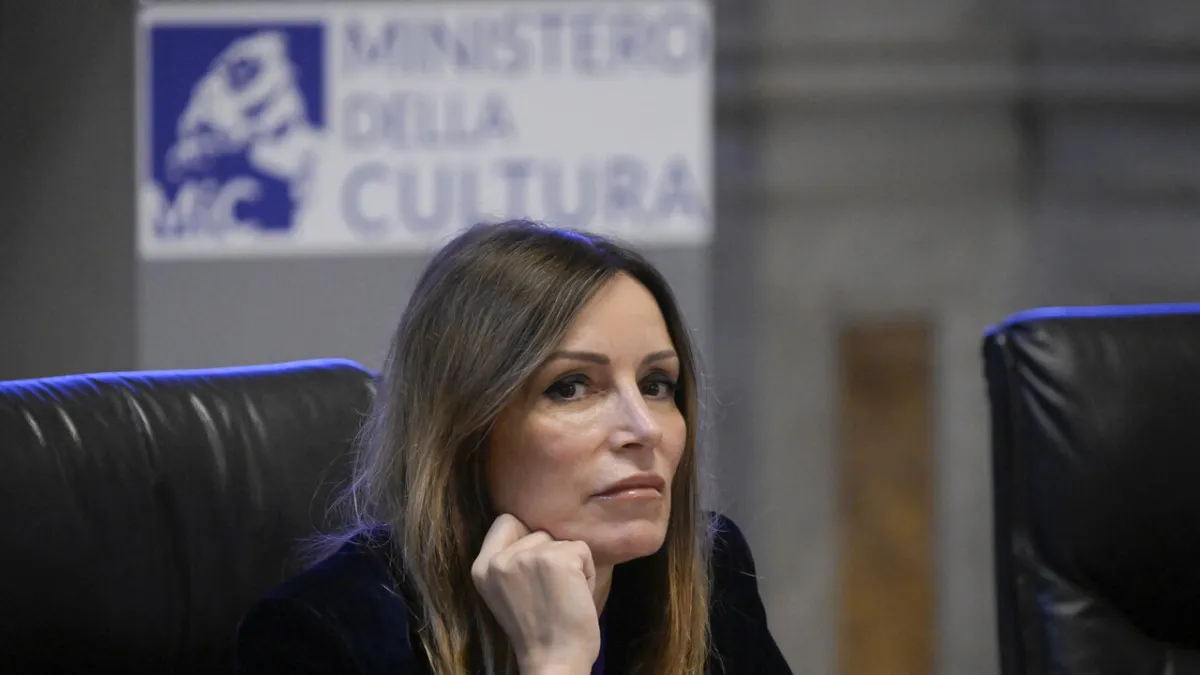
ROME — Italy's Undersecretary of Culture, Lucia Borgonzoni, in 2026, firmly rejected what she described as "blackmail" from the European Union concerning the organization of the Biennale, insisting that art must remain free from political intervention. Her statement came in response to a "political judgment" that she believes significantly harms those who have dedicated years to extraordinary artistic work.
Borgonzoni emphasized the essence of creative autonomy, stating that attempts to undermine or intervene in artistic processes would only damage the cultural substance Italy aims to represent on the world stage. "Art is freedom, not a bargaining chip or an object of political blackmail," she declared at a press conference at her office.
The conflict centers on a series of guidelines or decisions issued by EU authorities, which, according to Rome, threaten the curatorial independence and funding for one of the world's most prestigious art festivals. Specific details of this "political judgment" have not been fully disclosed, but internal sources indicate it relates to budget allocations and thematic criteria deemed overly restrictive.
The repercussions of this "judgment" are feared to spread widely. Thousands of artists, curators, and cultural workers involved in the Biennale's preparations could face serious disruptions. Projects meticulously planned for months, even years, are now at risk of postponement or cancellation.
The Biennale, with its long history since the late 19th century, symbolizes Italy's artistic vitality and cultural diplomacy. Its role as a global platform for contemporary art is universally recognized, attracting millions of visitors and bringing international spotlight. Through this event, Italy consistently promotes diverse artistic expressions.
The Italian government, through the Ministry of Culture, believes that any external intervention attempting to dictate the content or artistic direction of the Biennale constitutes a violation of national cultural sovereignty. Borgonzoni asserted that such efforts not only demean artists but also negate the fundamental values of freedom of expression.
This dispute is not the first between Rome and Brussels concerning cultural issues or funding, but the intensity of Borgonzoni's remarks indicates that this incident marks a turning point for the Italian government. Political observers view this as part of a broader push to assert national autonomy amidst deepening European integration.
Support for Borgonzoni has poured in from various sectors, including artists' associations and art critics across Italy. They demand that the European Union respect the cultural integrity of its member states and recognize the importance of art as an autonomous and independent domain.
Diplomatically, this incident has the potential to cause tension. Italy is a key member of the European Union, and disagreements of this nature, especially on sensitive issues such as culture and sovereignty, can affect future bilateral and multilateral relations.
The Italian Ministry of Foreign Affairs is reportedly monitoring the situation closely, seeking avenues for dialogue to resolve the dispute without compromising the principles of artistic freedom. The hope is to find a solution that respects the Biennale's autonomy while maintaining harmonious relations with European partners.
Nevertheless, Borgonzoni has stated she will not back down from her position. She is committed to defending the artists and cultural workers who, she claims, have "been doing extraordinary work for years" and do not deserve to be victims of a detrimental "political judgment."
This situation highlights the perpetual debate about the role of art in society and the limits of political or supranational intervention. For Italy, it is not merely about an art exhibition but about preserving cultural identity and the right to determine its own creative direction.
The resolution of this Biennale case will set an important precedent for the future relationship between European Union member states and Brussels institutions, particularly in the cultural sector. Will artistic freedom truly be guaranteed, or will there be compromises that erode autonomy? Time will tell.