 Debby Wijaya
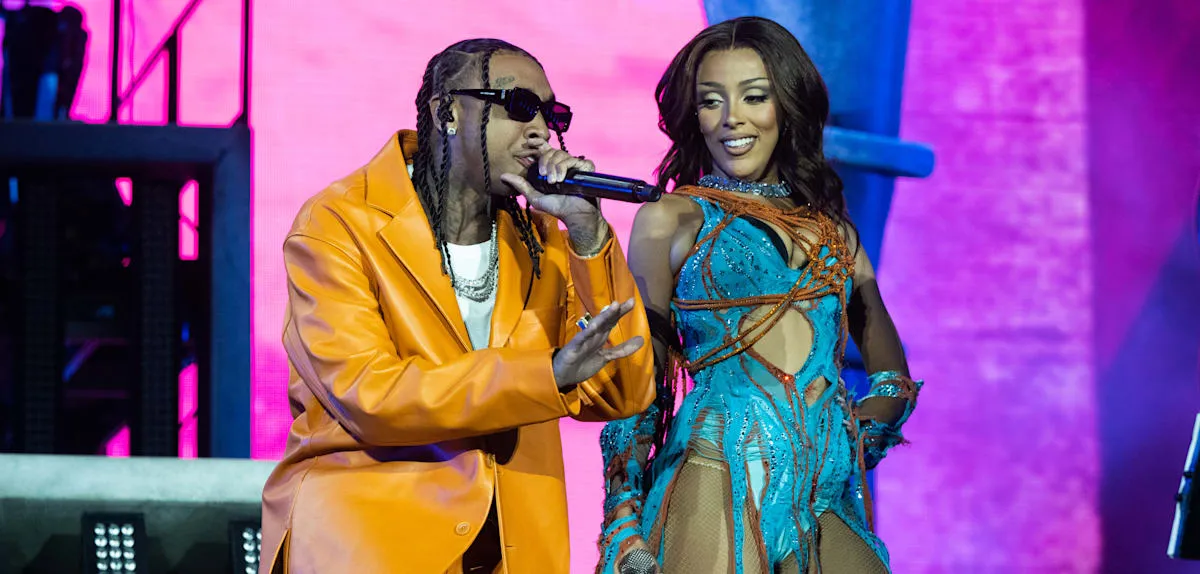
BERLIN – Global rap sensation Tyga finds himself embroiled in a storm of controversy following the release of his latest album, which reportedly leveraged artificial intelligence (AI) extensively in its production. A prominent German music magazine did not hold back its brutal assessment, labeling the work a 'piece of trash' and even resorting to highly derogatory terms against the rapper. This incident has swiftly ignited a fierce debate concerning ethics and artistic integrity in the digital age.
The scathing criticism emerged shortly after the album's release, which was anticipated as a breakthrough but instead met with widespread derision. Sources from the music magazine, known for its uncompromising reviews, asserted that the pervasive use of AI had eroded the essence of creativity and originality expected from an artist of Tyga's stature.
The phenomenon of employing artificial intelligence in creative processes within the entertainment industry is not entirely new, yet Tyga's case highlights the boundaries of public and critical acceptance. Some argue that innovation should always be embraced, while others contend that excessive AI intervention diminishes the true value of art.
Public reaction has been polarized. A segment of fans expressed deep disappointment over the quality of the lyrics and arrangements, which felt sterile. They longed for the personal touch and raw emotion that often characterized Tyga's previous works. In contrast, a few supporters viewed this move as a bold experiment that might pave the way for the future of music.
Music industry experts are closely monitoring this trend. Integrating AI into music production indeed offers tremendous efficiency, stated a prominent music critic who preferred anonymity, However, the big question remains: can this still be called personal art? Is the soul of the artist still present?
The long-term impact of this controversy on Tyga's career remains uncertain. Will he revert to conventional production methods, or embrace AI more deeply, risking alienation of a significant portion of his fanbase? This question is relevant not only for Tyga but also for many other artists contemplating similar paths.
The debate surrounding AI in creative industries is certainly heating up. Some time ago, similar concerns also shook tech giants like Google, with AI Threat Shakes Alphabet: Google's Parent Company Stock Plunges reflecting market skepticism about the not-yet-fully-mapped impacts of AI.
The music magazine that delivered such harsh criticism has a reputation for being unsparing in its reviews. They frequently serve as an important barometer for the quality and direction of contemporary music, meaning their negative assessments carry significant weight in shaping public and professional opinion.
The issue of originality lies at the heart of this debate. If algorithms and large language models are now capable of generating complex melodies, lyrics, and even arrangements, where does the uniqueness and authenticity of a human artist's work truly reside? This is a philosophical question with direct implications for both commercial and artistic value.
Moving forward, the music industry will likely continue to grapple with redefining creativity. Regulations and ethical standards may need to be developed to guide AI usage, ensuring that technology serves as a supportive tool rather than a replacement for the human essence in art.
Editorial Insight: Tyga's case stands as a significant marker in the transition of creative industries. On one hand, AI offers boundless potential for innovation and efficiency. Yet, on the other, it challenges our fundamental understanding of what constitutes art, authenticity, and an artist's value. The future may see a more delicate balance between human creativity and algorithmic assistance, but this intense debate is a crucial initial step toward finding that common ground.