 Dodi Irawan
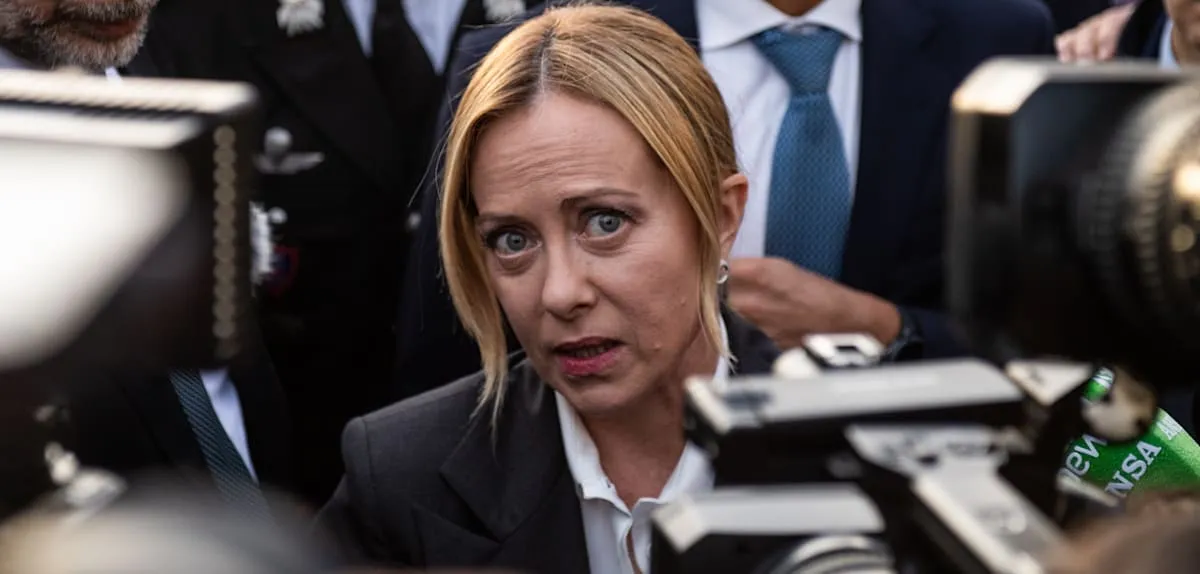
BRUSSELS – Europe's diplomatic stage is once again in flux after several leaders of European Union member states independently engaged in direct contact with Russian President Vladimir Putin. This situation has triggered serious concerns from Italian Prime Minister Giorgia Meloni, who urged the European Union to maintain a unified stance in addressing the Ukraine crisis.
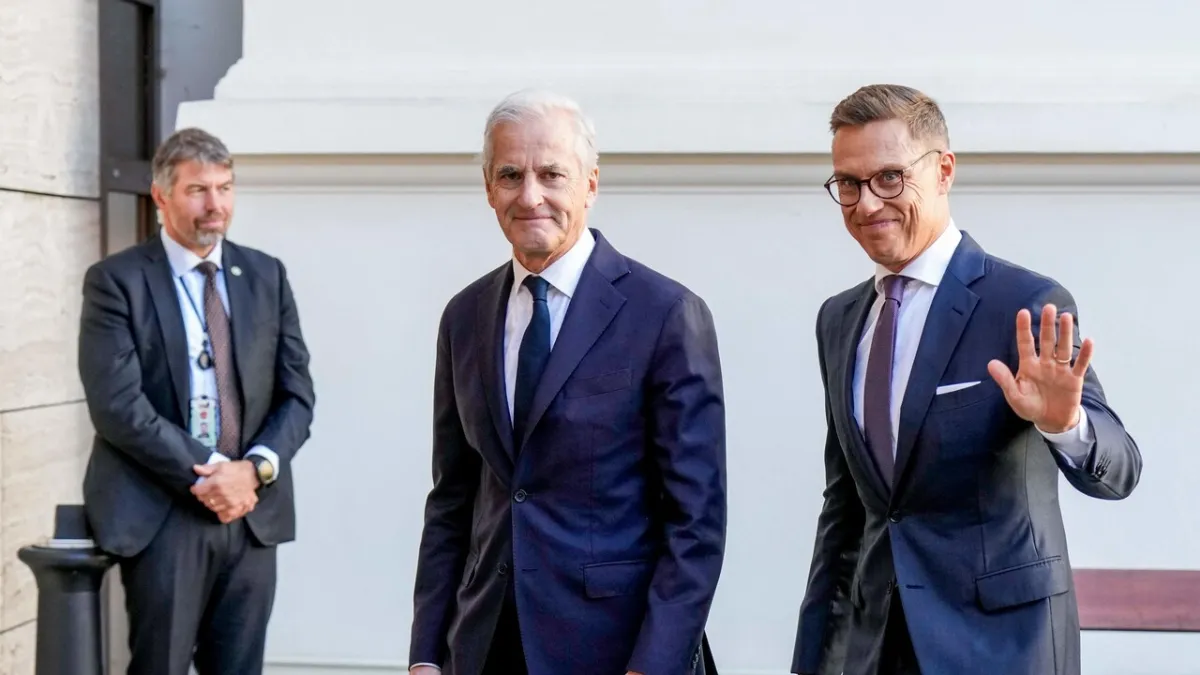
News of these communications emerged from reports in Brussels, indicating that Finnish President Alexander Stubb and Norwegian Prime Minister Jonas Gahr Store had spoken with Putin. This move, while perhaps aimed at finding diplomatic avenues, highlights the potential for fragmentation among European nations in responding to the ongoing conflict in Ukraine.
Italy, through the voice of Prime Minister Meloni, emphatically expressed its apprehension. Meloni stated that the European Union should not go in scattered order, a subtle critique of uncoordinated diplomatic approaches that could weaken the bloc's collective position in Moscow's eyes.
Rome believes that the previous trilateral dialogue format, known as the E3 – which involved Germany, France, and the United Kingdom – has become dead or no longer relevant in the current geopolitical landscape. This assessment underscores the challenges in finding effective and inclusive diplomatic mechanisms for all EU members.
Statements from Brussels indicate the operation of different formats at present, an implicit acknowledgment of the diverse approaches taken by member states. Nevertheless, the EU emphasized the importance of maintaining common objectives and close coordination in all diplomatic initiatives.
Relations with Russia, especially in the context of the Ukraine conflict, represent a highly sensitive and complex issue for the European Union. Some countries prioritize dialogue for de-escalation, while others emphasize sanctions pressure and military support for Ukraine. These differing perspectives often test the bloc's internal cohesion.
The decisions by Finland and Norway to contact Putin can be interpreted as their attempts to seek peaceful solutions or to directly understand Russia's perspective. However, without strong coordination, such actions can create openings for exploitation and weaken the EU's collective efforts.
Meloni has repeatedly asserted that the European Union's strength lies in its unity. Diplomatic fragmentation risks sending the wrong signal to the Kremlin, implying that Europe lacks a single voice or coherent strategy in confronting aggression.
Italy's concerns also align with broader discussions about the future of European security architecture. Considering the dynamics of the bloc's relationships, especially after Brexit and global leadership changes, finding the right format for dialogue with major powers has become increasingly crucial.
The axis with Copenhagen, mentioned in the report, might indicate the emergence of smaller groups in Europe attempting to form strategic alliances to address specific issues. This phenomenon, if not aligned with the broader EU strategy, could exacerbate the divisions Meloni fears.
To avoid deeper fragmentation, EU leaders must convene immediately to recalibrate their diplomatic strategy. Greater transparency and better communication among member states are key to ensuring that every contact with Moscow is made with a collective mandate.
Discussions regarding Italy's budget maneuver and Europe's brightening prospects, as previously reviewed in the article Giorgetti Confirms Italy's Budget Maneuver Moves Forward: Europe's Chances Brightening?, demonstrate Rome's commitment to overall European stability and strength. Consistency in foreign policy is crucial to maintaining this credibility.
Editorial Insight:
This situation illustrates a latent dilemma in EU foreign policy. While direct dialogue with Russia may be necessary at some point, a lack of coordination can undermine solidarity. Meloni's warning is not merely a complaint but an urgent call to strengthen common decision-making mechanisms so that the EU can act as a cohesive and effective geopolitical entity, rather than just a collection of states with their own partial agendas. This is a crucial moment for redefining the bloc's diplomatic identity on the global stage in 2026.