 Chandra Wijayanto
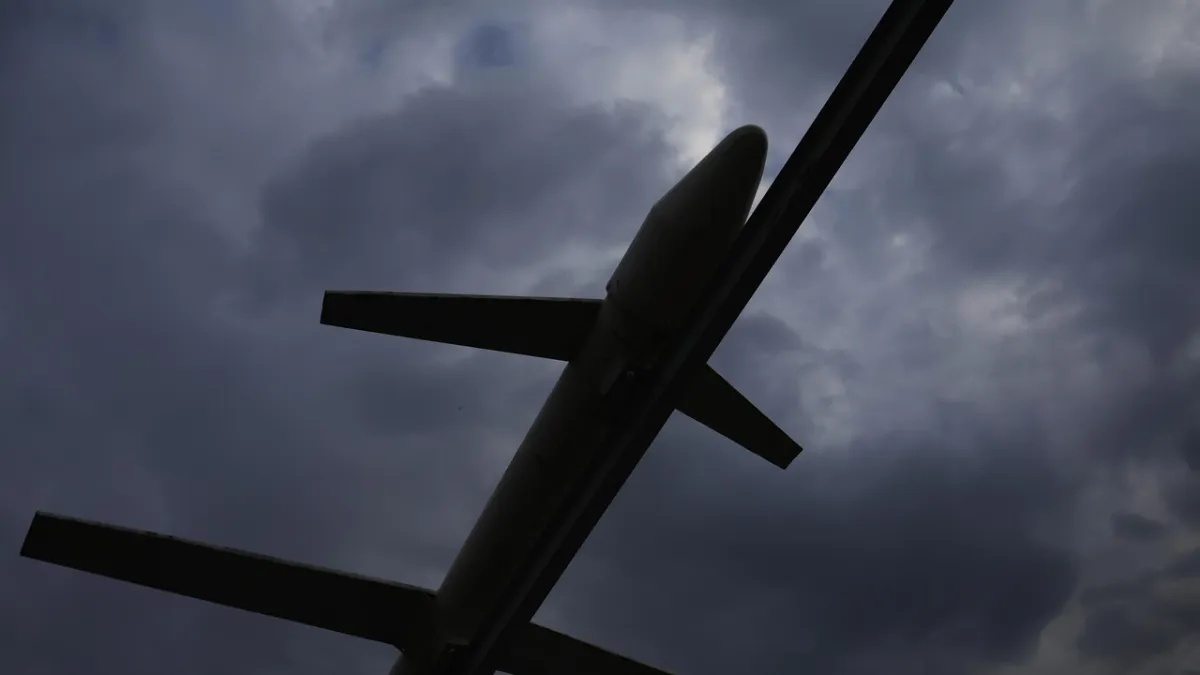
MOSCOW – The Tula and Nizhny Novgorod regions of Russia have become targets of significant Ukrainian drone attacks. At least 27 unmanned aerial vehicles were successfully intercepted by Russian air defenses. This incident marks an escalation, with Ukraine expanding its strike range into Russian territorial heartland.
The regional governor confirmed the massive interception efforts, emphasizing the air defense system's readiness to face continuous threats. While most drones were neutralized, this event highlights the vulnerability of areas previously considered safe from direct conflict.
The recent attacks raise serious questions about Ukraine's military strategy, which appears to be shifting. After several similar incidents in border regions, deeper targets are now becoming the focus.
The city of Tula, located approximately 180 kilometers south of Moscow, is known as a center for Russian defense and military industries. Its strategic importance makes it a valuable target for Ukrainian forces.
Meanwhile, Nizhny Novgorod, situated about 400 kilometers east of Moscow, is a major industrial city with critical manufacturing facilities. Attacks in this region indicate an attempt to disrupt Russia's production and logistical capabilities.
Military analysts observe that the use of such long-range drones is a tactic aimed at spreading fear and exhausting Russia's air defense resources. Each intercepted attack still requires the deployment of expensive defense systems.
This incident adds to a growing list of drone attacks that have shaken Russia throughout the conflict, often targeting energy facilities or critical infrastructure. Russian authorities consistently report successful interceptions, yet the frequency of attacks continues to rise.
Ukraine has not issued an official statement regarding claims of these attacks, consistent with their general policy of neither confirming nor denying operations within Russian territory. However, such actions align with their established strategy.
Retaliation from the Russian side is expected to be intense. Moscow has repeatedly asserted that attacks on its territory will not go unanswered. Tensions are anticipated to escalate further on the conflict's front lines.
Residents in Tula and Nizhny Novgorod reportedly felt the psychological impact of these incidents, although there were no reports of significant damage or casualties due to the successful interceptions. Vigilance has been heightened across the regions.
Editorial Insight: The drone attacks on Tula and Nizhny Novgorod underscore Ukraine's strategy to expand the battlefield, pressuring Russia's military and psychological capacity. These are not merely retaliatory actions but a systematic effort to disrupt internal stability and test enemy air defenses. The potential for further escalation is high, with Russia likely to respond with similar or even greater intensity. The world should brace for a new chapter in this conflict that could draw in previously relatively secure territories.