 Robert Andrison

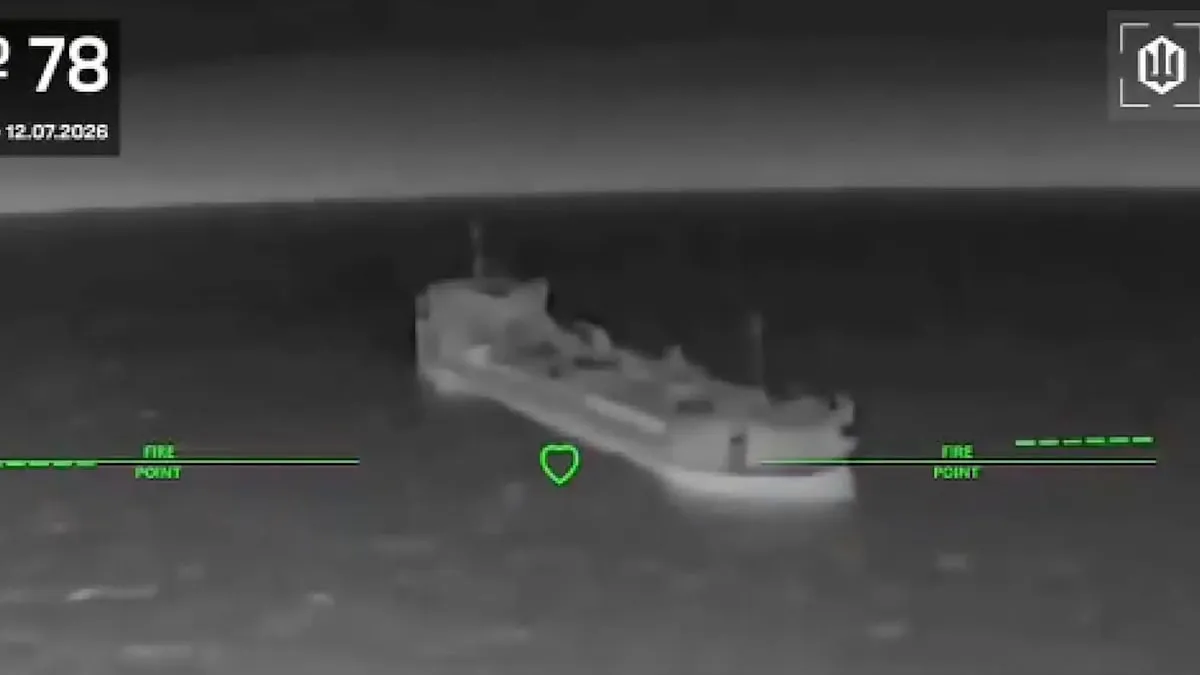
KYIV — Fire Point, a leading Ukrainian defense systems manufacturer, has openly declared its readiness to target vital Russian infrastructure, including oil tanker bridges, using its flagship "Flamingo" cruise missile. This statement underscores Ukraine's ongoing military escalation and pressure on Moscow as the conflict progresses into 2026.
The development of military technology by Fire Point, which includes high-precision cruise missiles, attack drones, and rockets, has become the backbone of Kyiv's strategy in countering Russian aggression. These offensive capabilities are not only focused on the front lines but also reach strategic targets deep behind enemy lines.
Fire Point's statement emerges amidst intense discussions regarding a potential turning point in the prolonged conflict. The Chief Designer of Fire Point, whose identity remains confidential for security reasons, emphasized the grim reality of the war.
"We attack the bridge of the oil tanker, and that's it," he stated, indicating that such strikes are part of planned military operations, not merely reactive responses. This philosophy reflects Ukraine's pragmatic approach to continuously inflict significant losses on Russia.
He explained that hoping for a drastic change in the war's direction is a dangerous perspective. According to him, the conflict has reached a phase demanding a long-term approach and the ability to consistently apply military and economic pressure.
The "Flamingo" missile, named after the long-distance flying and accurate waterbird, is designed for precision strike missions. Its capabilities are reportedly able to penetrate enemy air defenses and hit specific targets with destructive impact.
In addition to Flamingo, Fire Point also develops various types of drones that have proven effective on the battlefield, ranging from reconnaissance drones to kamikaze drones. This combination of missiles and drones provides significant tactical flexibility for Ukrainian forces.
The threat against oil tanker bridges highlights Ukraine's efforts to disrupt Russian logistics and economy. Energy infrastructure is the lifeblood of military supply, and any disruption has the potential to paralyze enemy combat operations.
International defense analysts view this threat as a strong signal that Ukraine has no intention of reducing the intensity of its resistance. On the contrary, Kyiv continues to expand its strike range to create a greater deterrent effect.
The Russian government has not issued an official response to Fire Point's specific statement. However, Moscow consistently condemns what it calls provocative actions by Ukraine and its allies. The situation in Eastern Europe remains tense and shows no signs of de-escalation.
The international community continues to call for de-escalation and diplomatic channels to achieve lasting peace. However, on the ground, the production and innovation of weapons like those from Fire Point are clear indicators that both sides are still preparing for prolonged war scenarios.