 Gabriella
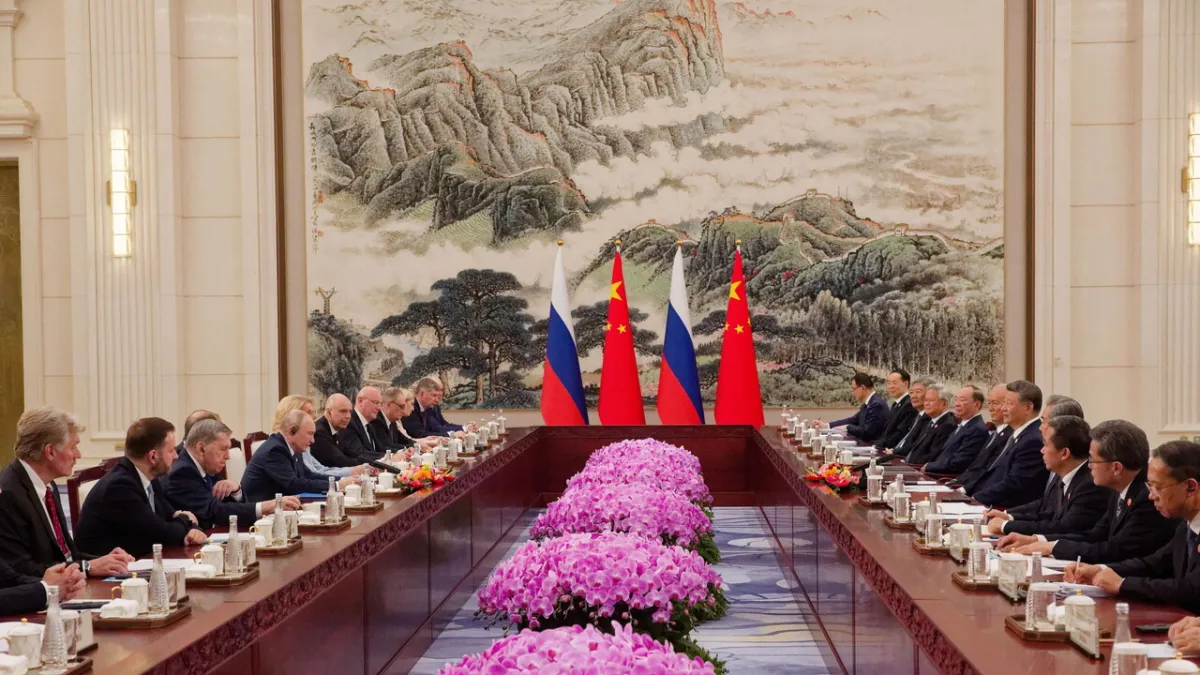
Geneva – The United Nations (UN) has affirmed its full readiness to support any denuclearization efforts stemming from talks between the United States, China, and Russia. This crucial statement emerges amidst the UN's grave warnings regarding a drastic increase in global nuclear risks, fueled by continuously escalating geopolitical tensions and sharp major power rivalries in 2026.
For a long time, the UN has been at the forefront of advocating for nuclear disarmament. This global organization consistently vocalizes the latent dangers of these weapons of mass destruction, which could at any moment trigger unimaginable humanitarian catastrophes.
The UN's concerns are not unfounded. Global intelligence reports and security analyses indicate an escalation of tensions in various regions, from Eastern Europe to the South China Sea, creating an unstable environment.
The rivalry among Washington, Beijing, and Moscow, three of the five permanent members of the UN Security Council and major nuclear powers, is seen as a primary driver of global vulnerability. Every friction among them has the potential to spark a wider crisis.
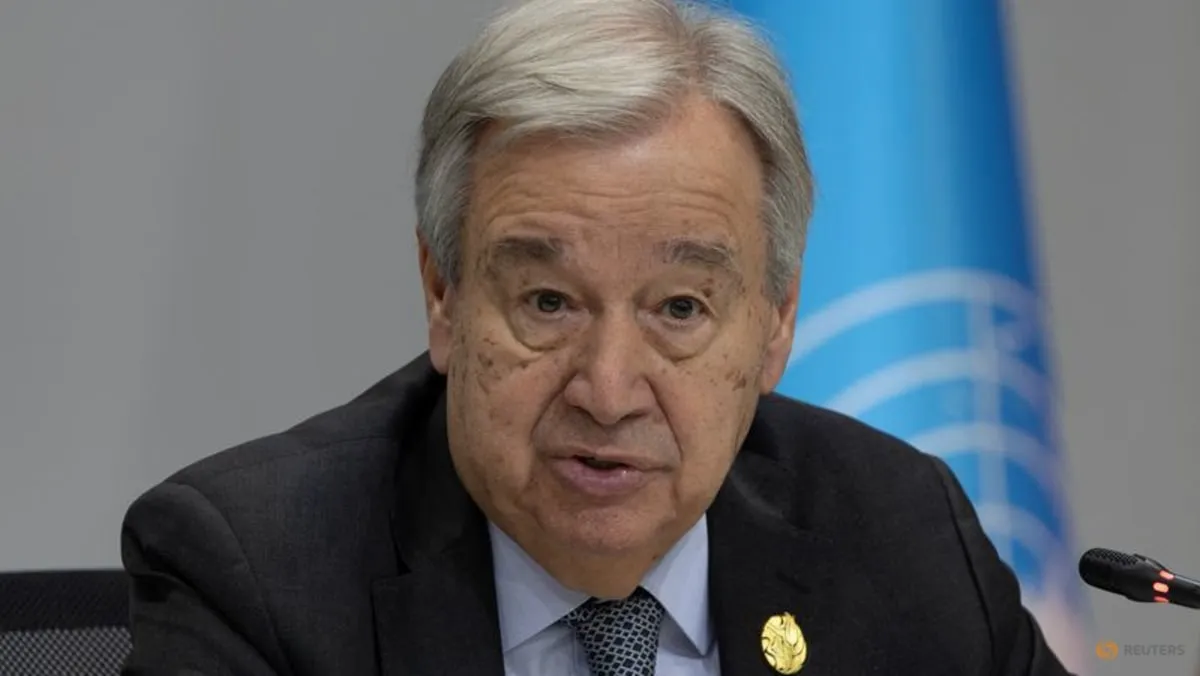
The UN Secretary-General, on several occasions, has explicitly emphasized the necessity of constructive dialogue and concrete steps to mitigate the nuclear threat. He stated that the world stands at a crossroads and the choice lies with major nations to move towards a secure future or fall into an abyss of destruction.
Denuclearization efforts are not merely a technical issue of arms reduction, but rather the foundation for sustainable global stability and peace. Without serious commitment from nuclear-weapon states, other diplomatic efforts will struggle to yield optimal results.
Although formal direct talks between the US, China, and Russia on denuclearization have not yet been scheduled under the UN's auspices, this statement indicates that the UN stands ready to facilitate should these three nations demonstrate the political will. It is both an invitation and an urgent call.
The year 2026 itself is marked by various dynamics that complicate the global security landscape. United States President Donald Trump, during his tenure, has repeatedly voiced concerns about the threats posed by nuclear proliferation.
In Asia, regional tensions with China continue to be a focus, while in Europe, tensions with Russia still loom. These situations underscore the urgency of disarmament dialogue.
The UN hopes that with its full support, these three major powers can find common ground, creating effective mechanisms to reduce and ultimately eliminate nuclear weapons from the face of the Earth. This is not only the responsibility of superpowers but also the hope of all humanity.
Denuclearization also aligns with the UN's broader calls to address other global challenges, such as climate change and the energy crisis, as political stability is a prerequisite for effective cross-border collaboration.
Editorial Insight: This UN statement is more than just an offer of assistance; it is a stark warning. With the increasingly complex geopolitical landscape of 2026, where military technology and artificial intelligence, as discussed in Japan's AI defense guidelines, are becoming more sophisticated, the risk of conflicts involving nuclear weapons is rising. The hot potato is now in the hands of the US, China, and Russia. The world awaits whether they can set aside rivalry for collective safety, or if they will drag us deeper into the abyss.