 Edward DP Situmorang
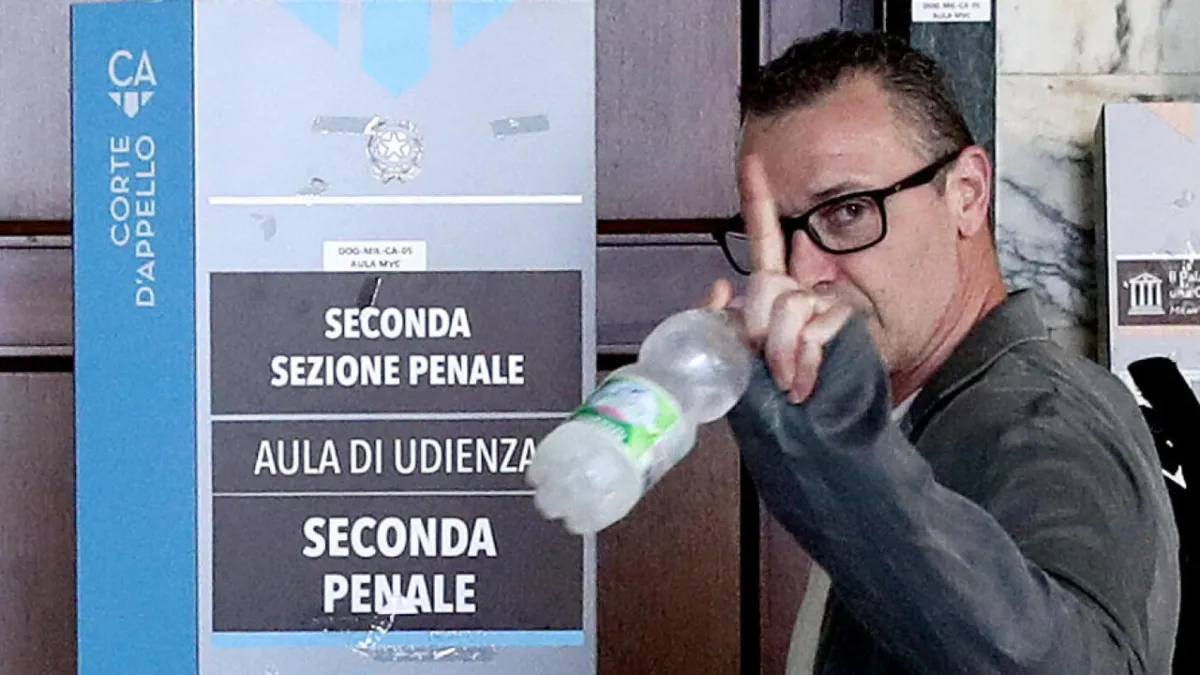
ROME — Italy's Supreme Court in mid-2026 upheld a criminal conviction of one year and two months imprisonment for a trade union leader in a harassment case involving a hostess. This final ruling significantly overturned previous acquittals by both first-instance and appeals courts, marking a crucial turning point in the case known as the "30-Second Case".
The latest verdict reaffirms the importance of protecting harassment victims in the workplace. The case emerged after the victim, a young hostess, reported a brief but traumatic incident. The event, lasting only about 30 seconds, became the core of a lengthy and intricate trial.
The trade union leader, whose identity cannot be disclosed to protect the victim's privacy and adhere to journalistic ethics, was charged with sexual harassment. Prosecutors successfully convinced the panel of judges that the evidence presented was strong enough to prove the transgression.
The initial trials had sparked controversy. Both the first and second-degree courts acquitted the defendant, with arguments centered on a lack of intent or the brief duration of the incident. However, the prosecution team did not give up and appealed to the Supreme Court, insisting that duration does not determine the severity of harassment.
This Supreme Court decision was welcomed by various groups, especially women's rights advocates and organizations focused on eradicating sexual harassment in the workplace. They consider this ruling a strong signal that the legal system is beginning to take such cases more seriously.
"This is a victory for justice and for every individual who has been a victim of harassment," stated a spokesperson from a victim advocacy association. "The duration of an incident never diminishes the traumatic impact felt by the victim. This ruling sends a clear message to perpetrators."
The case also highlights the role of trade unions in maintaining the ethics and morals of their members. The public awaits a response from the union organization to which the perpetrator belongs, whether there will be internal disciplinary actions as a form of accountability. Institutional integrity is often at stake when individuals within them are involved in serious offenses.
Amidst a global wave of awareness regarding workplace harassment issues, this ruling is expected to become an important precedent. It will strengthen the legal position of victims and foster safer working environments free from all forms of intimidation.
This step aligns with intensified law enforcement efforts across various Italian cities combatting crime. For example, in Milan, prosecutors are also pushing for the detention of brutal attackers, demonstrating a serious commitment to public safety.
The defendant's legal counsel has not yet issued an official statement regarding this decision. However, they have the option to review the decision or seek other legal avenues, although the Supreme Court is the highest judicial authority in Italy.
The implications of this verdict extend beyond the individuals involved. It is a reminder that power, in any form, must not be abused. Especially in the workplace, where power dynamics are often imbalanced, protecting the vulnerable is a top priority.
Legal experts argue that this Supreme Court ruling will serve as an important reference for similar cases in the future. It indicates a paradigm shift in handling harassment cases, moving from a focus on the perpetrator's "intent" to the impact felt by the victim.
The public widely followed the development of this case, and this final ruling is expected to bring relief to many, especially victims of harassment who have long felt that justice was elusive. Justice, though slow, ultimately prevails.
This also marks a crucial moment for further discussion on the implementation of anti-harassment policies in every institution, both private and public. Prevention must begin with comprehensive awareness and education.
Thus, the "30-Second Case" is not merely a common criminal report but a reflection of a long struggle to create an environment that respects the dignity of every individual and ensures accountability for every act of transgression.