 Demian Sahputra
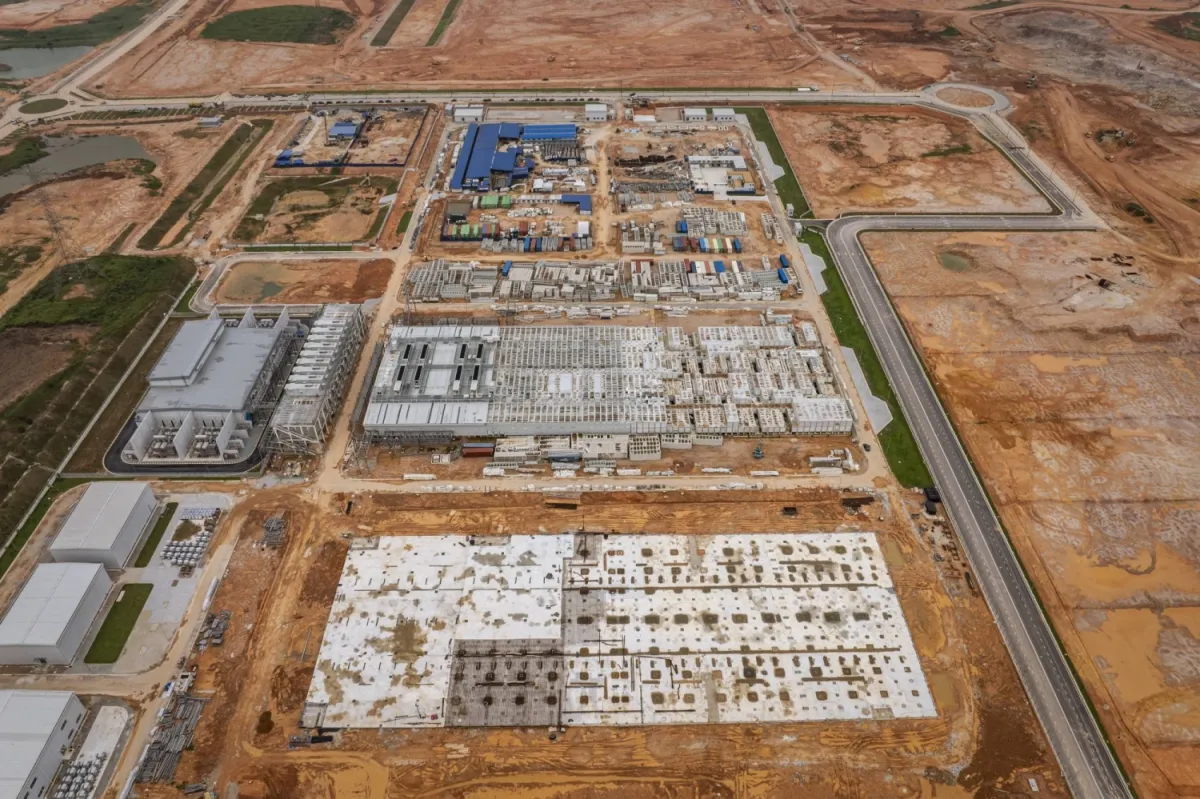
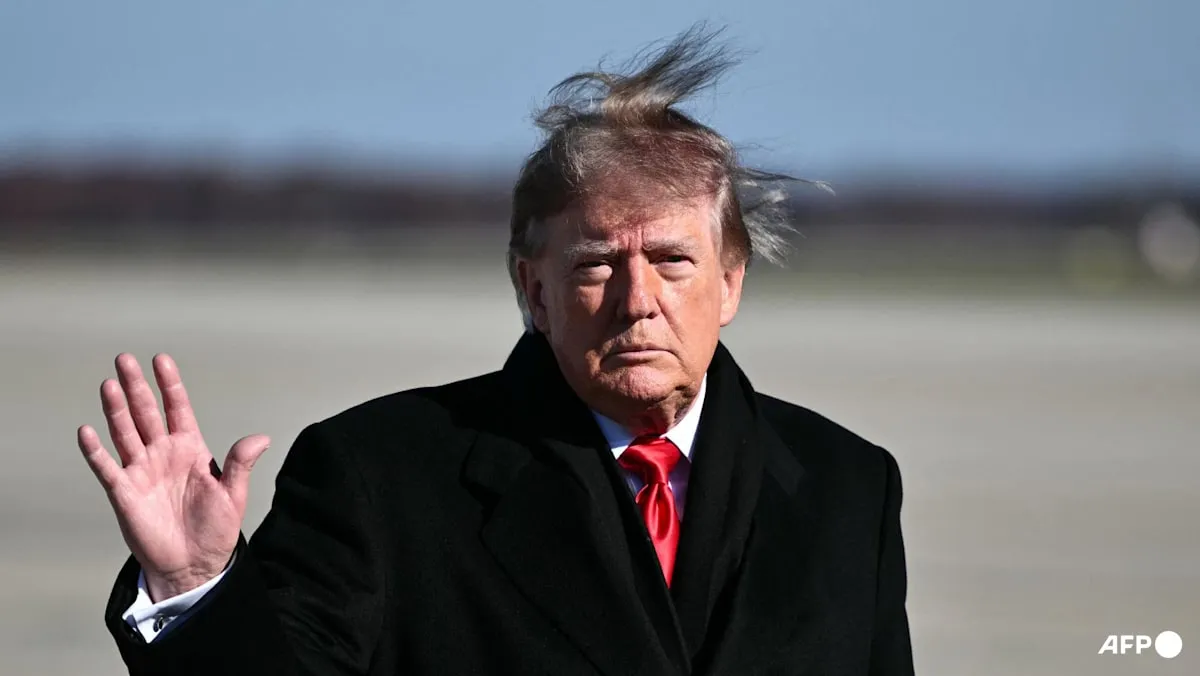
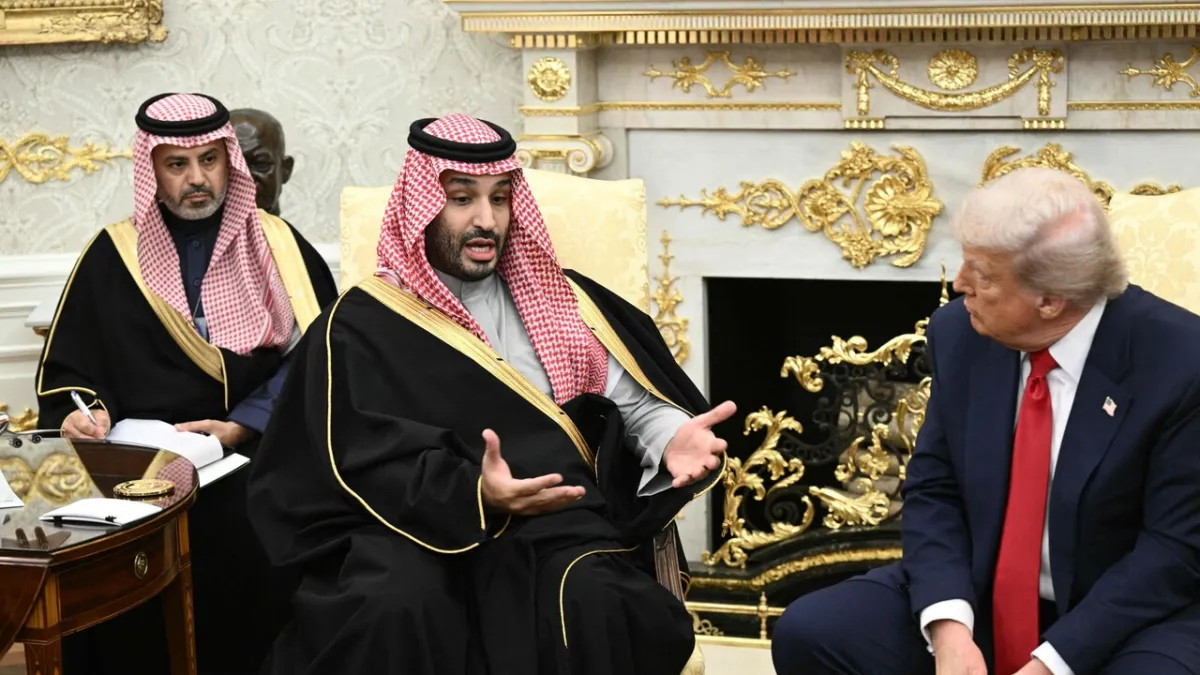
SINGAPORE – The latest restrictive policy by the United States government regarding the export of advanced artificial intelligence (AI) chips has sent waves of concern among data center operators in Southeast Asia. This move, which requires regional companies to obtain special licenses to purchase semiconductors from Nvidia and other American manufacturers, coincides with President Donald Trump's working visit to the region, highlighting the sharp dynamics of geopolitics and technology.
These restrictions directly target the heart of Asia's digital innovation, especially in rapidly developing countries like Singapore, known as one of the world's largest data centers. Reliance on cutting-edge chip technology is crucial for the operation and development of AI-based services, cloud computing, and other digital infrastructure.
Industry players in Singapore, Malaysia, and Thailand now face more complex bureaucracy and potential supply delays. This could hinder the expansion and modernization of data center facilities vital to the regional digital economy.
A senior executive from a regional technology company, who requested anonymity, stated, This policy creates significant uncertainty. We rely on unimpeded access to the best technology to maintain competitiveness. The licensing process has the potential to slow down innovation.
This US move is not without precedent. Washington has repeatedly asserted efforts to maintain its technological advantage and prevent the use of advanced chips for purposes inconsistent with its national security interests. Trade and technology wars between the US and certain entities have been a central issue during President Trump's leadership.
President Trump's visit to Southeast Asia in 2026 is seen as strategic. Geopolitical analysts believe that one of his main agendas is to reaffirm the United States' position in the global technology supply chain and discuss the implementation of policies that ensure data and technology security.
Similar tensions have been observed in discussions at the APEC 2026 Summit, where issues of AI ethics and global supply chains were highlighted. The CEO of Baidu even warned of a potential AI bubble ahead of the summit, underscoring the volatility of the technology market. Related to this issue, you can read more about global AI ethics initiatives at APEC Promotes Global AI Ethics: China Leads Responsible Use Initiative and Baidu CEO's warning at Baidu CEO Warns of AI Bubble Ahead of APEC 2026 Summit.
The response from governments in the Southeast Asian region varies. Some have expressed concern, while others may seek technological alternatives from non-US suppliers to reduce dependence, even if it means potential sacrifices in quality or cost.
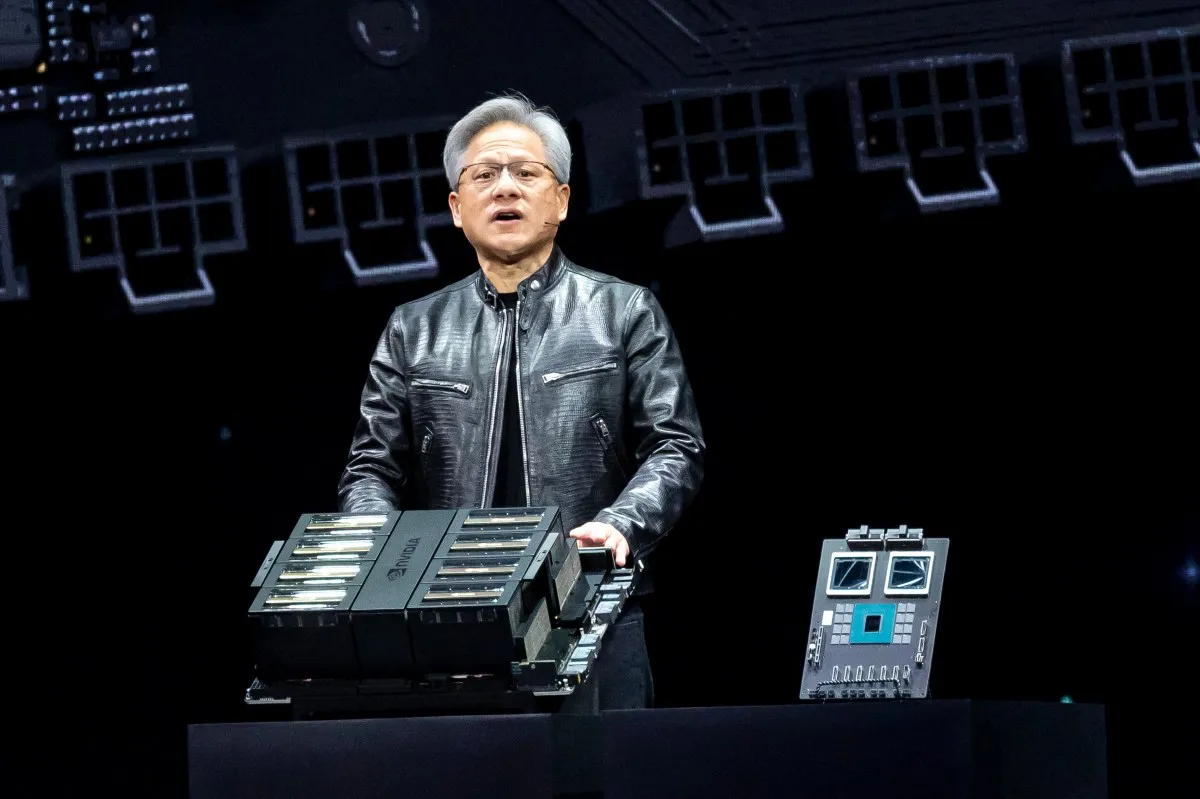
Nvidia, as a market leader in AI chips, is a primary target of these restrictions. Their products are highly sought after for applications ranging from machine learning, high-performance computing, to the development of large language models.
The future of the data center industry in Southeast Asia is now at a crossroads. This challenge forces developers and operators to re-evaluate their procurement and technology partnership strategies.
The potential for diversifying chip supply and investing in local research and development is becoming an increasingly attractive option, although it requires significant time and resources. This also opens opportunities for new players to fill market gaps.
The long-term impact of this policy could reshape the global technology landscape, triggering market fragmentation and fostering regionalization of the chip supply chain.
Editorial Insight: This US chip restriction policy is not merely an economic maneuver but a strategic step underscoring the battle for global technological dominance. For Southeast Asia, it is a call to accelerate technological independence and resource diversification. President Trump's visit reaffirms that technology issues have become central to diplomacy, with potentially significant impacts on the rapidly booming digital economy in the region.