 Dodi Irawan
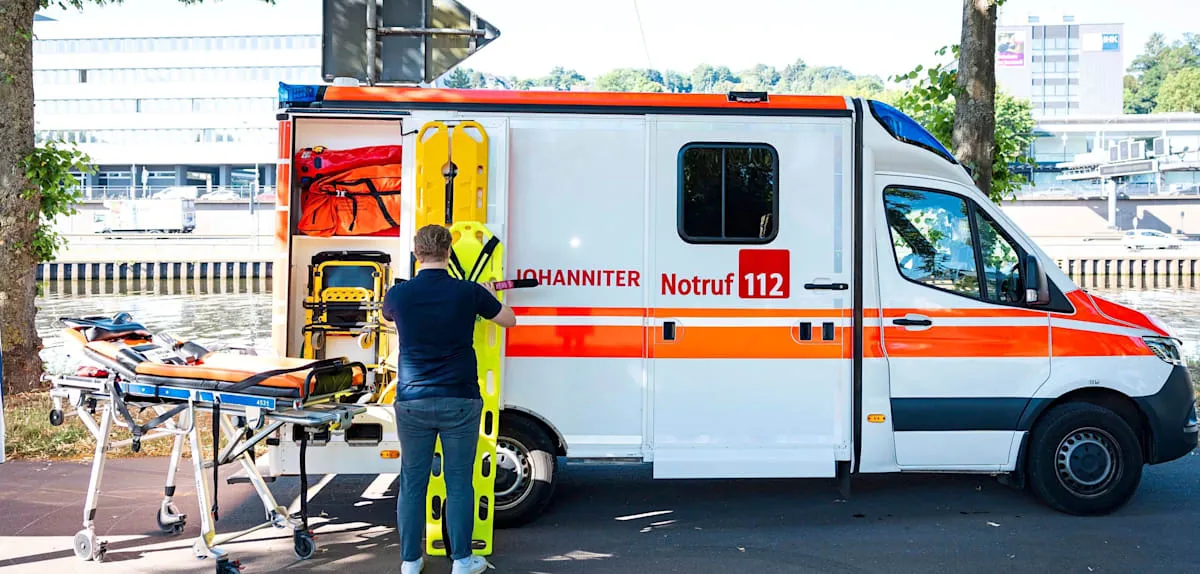
Stendal — Johanniter-Krankenhaus hospital in Stendal, Sachsen-Anhalt, officially commenced operations for ten new intensive care unit (ICU) beds on July 9, 2026. This vital facility expansion aims to significantly enhance critical medical service capacity in the Altmark region, addressing the communitys need for more optimal and modern healthcare management.
This strategic initiative represents a proactive response to the increasing demand for intensive care, particularly in the aftermath of the global pandemic which underscored the urgency of robust healthcare infrastructure. With substantial investment, Johanniter-Krankenhaus is now equipped to handle more critical cases, ranging from post-major surgery patients to emergency medical conditions requiring close monitoring.
The Medical Director of Johanniter-Krankenhaus, Dr. Klaus Richter, stated at a press conference that this expansion marks a significant milestone. “The opening of these ten new ICU beds is not merely an increase in numbers, but an embodiment of our commitment to providing the best care, supported by state-of-the-art technology and a highly trained medical team,” said Dr. Richter.
Each ICU unit is equipped with advanced medical devices, including the latest generation ventilators, integrated multiparameter monitoring systems, and isolation facilities that meet international standards. The room design also considers patient comfort and staff work efficiency, featuring natural lighting and ergonomic spaces.
The local government of Sachsen-Anhalt welcomed this step. A spokesperson for the regional Ministry of Health emphasized the importance of collaboration between the government and private healthcare facilities. “This move by Johanniter-Krankenhaus serves as a tangible example of how synergy can strengthen the resilience of our healthcare system,” they stated.
A number of professional medical staff and nurses have been recruited and intensively trained to operate these new facilities. Specialized training programs include the use of cutting-edge technology and the most effective intensive care protocols, ensuring that service standards remain excellent.
The increased ICU capacity in Stendal is also expected to reduce the burden on referral hospitals in surrounding major cities. Previously, patients from Altmark sometimes had to be referred to Magdeburg or Berlin due to bed limitations, potentially delaying crucial medical treatment.
Residents of Stendal and Altmark generally expressed positive appreciation for this development. A resident, Maria Schmidt (55), conveyed her gratitude. “We feel more at ease now, knowing that our citys hospital has better facilities for emergencies,” she said.
Such healthcare infrastructure development also aligns with Germanys national agenda for modernizing medical services. Data from the German Federal Ministry of Health indicates a trend of increasing investment in the intensive care sector nationwide since 2020.
Observing this development, Stendal News notes that the Johanniter-Krankenhaus initiative is part of a continuous effort to advance the quality of life in Sachsen-Anhalt. The presence of this modern facility marks a new era in providing adaptive and responsive healthcare services to the challenges of our time.
The provision of these ten new ICU beds directly contributes to Germanys efforts to address future demographic and epidemiological challenges. With projected increases in the elderly population and the threat of unpredictable pandemics, medical facility readiness is crucial. This is similar to how the world handles other health threats like Australias breakthrough in antiviral Ebola drugs aimed at protecting vulnerable populations.
Hospital management also plans to continue investing in technology development and human resource quality improvement. Over the next five years, they aim for further integration of telemedicine systems for remote consultations and monitoring for certain patients under ICU supervision, in line with the trend of governments approving advanced AI models for various sectors, including healthcare.
This facility expansion is expected not only to improve the quality of care but also to attract more specialist medical professionals to practice in Stendal. The presence of modern facilities often serves as an attraction for doctors and nurses seeking a supportive work environment equipped with the latest technology.
This development reaffirms the vital role of regional hospitals as the frontline in the healthcare system. With capabilities comparable to facilities in major cities, Johanniter-Krankenhaus Stendal is determined to become a center of medical excellence in the Altmark region.
Overall, the operation of these 10 new ICU beds at Johanniter-Krankenhaus Stendal on July 9, 2026, represents a long-term investment in community well-being, ensuring that access to high-quality intensive care is maintained and continues to evolve amidst dynamic medical needs.